
Skin Cancer & Cutaneous Oncology Clinic
Diagnosis | Surgery | Surveillance
Comprehensive care for skin cancer in Pickering, Ontario, from initial assessment through definitive management and structured long-term surveillance.
Accurate diagnosis, appropriate management, and structured surveillance.
Skin cancer is the most common cancer in Canada. Outcomes depend on accurate diagnosis, appropriate surgical or medical management, and structured long-term surveillance, particularly for patients at elevated risk.
The clinic provides comprehensive care from initial assessment through definitive management and follow-up, with surveillance and treatment decisions made and recorded by the same physician across the entire patient journey.
Conditions Managed
- Basal cell carcinoma
- Squamous cell carcinoma, including in-situ disease (Bowen's disease)
- Melanoma, primary diagnosis and long-term surveillance
- Lentigo maligna and melanoma in situ
- Merkel cell carcinoma
- Dermatofibrosarcoma protuberans
- Cutaneous T-cell lymphomas, including mycosis fungoides
- Actinic keratosis and field cancerization
- Atypical or dysplastic naevi and atypical mole syndrome
- Genetic syndromes predisposing to skin cancer, including Gorlin syndrome and xeroderma pigmentosum, in coordination with genetics services
Diagnostic and Therapeutic Services
- Total-body skin examination with dermoscopy
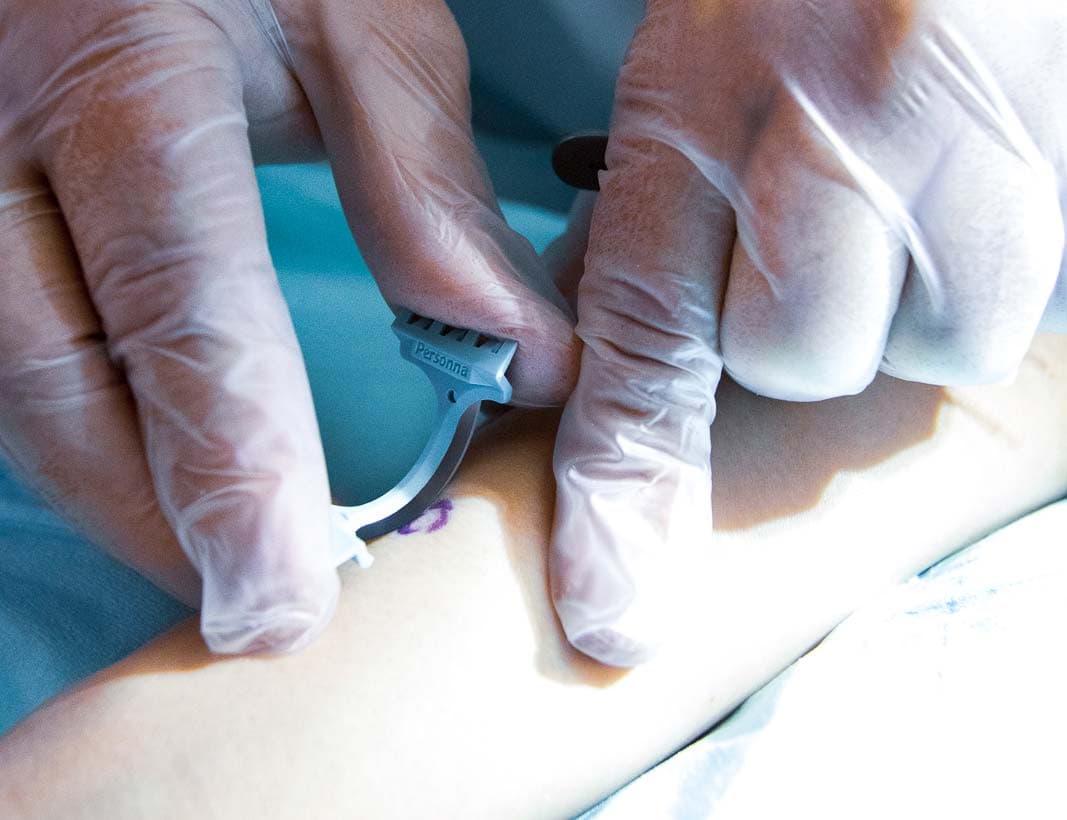
- On-site diagnostic biopsy (shave, punch, and excisional)
- Surgical excision for selected cases, with referral to Mohs micrographic surgery and plastic surgery for lesions requiring specialized management
- Curettage and electrodesiccation for selected superficial lesions
- Topical and field therapy for actinic damage and superficial NMSC, including 5-fluorouracil, imiquimod, and photodynamic therapy
- Coordination with surgical oncology for sentinel lymph node biopsy in eligible melanoma patients
- Coordination with medical and radiation oncology for advanced melanoma and high-risk non-melanoma skin cancer
- Structured surveillance protocols for high-risk patients
How the Program Works
Care is delivered directly by Dr. Maksym Breslavets, a Royal College-certified dermatologist with more than 25 years of clinical experience and over 3,500 personally managed skin cancer cases. Biopsy interpretation in clinical context, surveillance decisions, and long-term follow-up planning are made and recorded by the same physician across the entire patient journey.
Dermoscopy-supported diagnosis
Polarized dermoscopy guides every lesion assessment, reducing unnecessary biopsies while helping detect early cancers the unaided eye can miss.
Same-visit biopsy
Clinically suspicious lesions can be biopsied during the assessment visit, avoiding the delay of a separate procedure appointment.
Risk-stratified surveillance
Visit intervals, examination scope, and photographic documentation are matched to each patient's individual level of risk.
Single-physician continuity
Diagnosis, biopsy interpretation, and long-term follow-up are carried out and recorded by the same dermatologist throughout.
Patient education
Practical guidance on sun protection, skin self-examination, and recognizing new or changing lesions between scheduled visits.
Coordinated cancer care
Care is coordinated with regional surgical, radiation, and medical oncology partners when advanced disease requires it.
Patient Resources
Learn About These Conditions
Evidence-based articles on the conditions assessed and managed in this clinic.
Patient Resources
Related Procedures and Treatments
Procedures and treatments offered through this clinic, explained in detail.
Explore More
Other Specialty Clinics
Referrals
Family physicians and specialists can refer using the CMSD referral form. For query melanoma or suspected skin cancer, mark the referral URGENT, which flags it for assessment within two weeks.
Learn about the referral process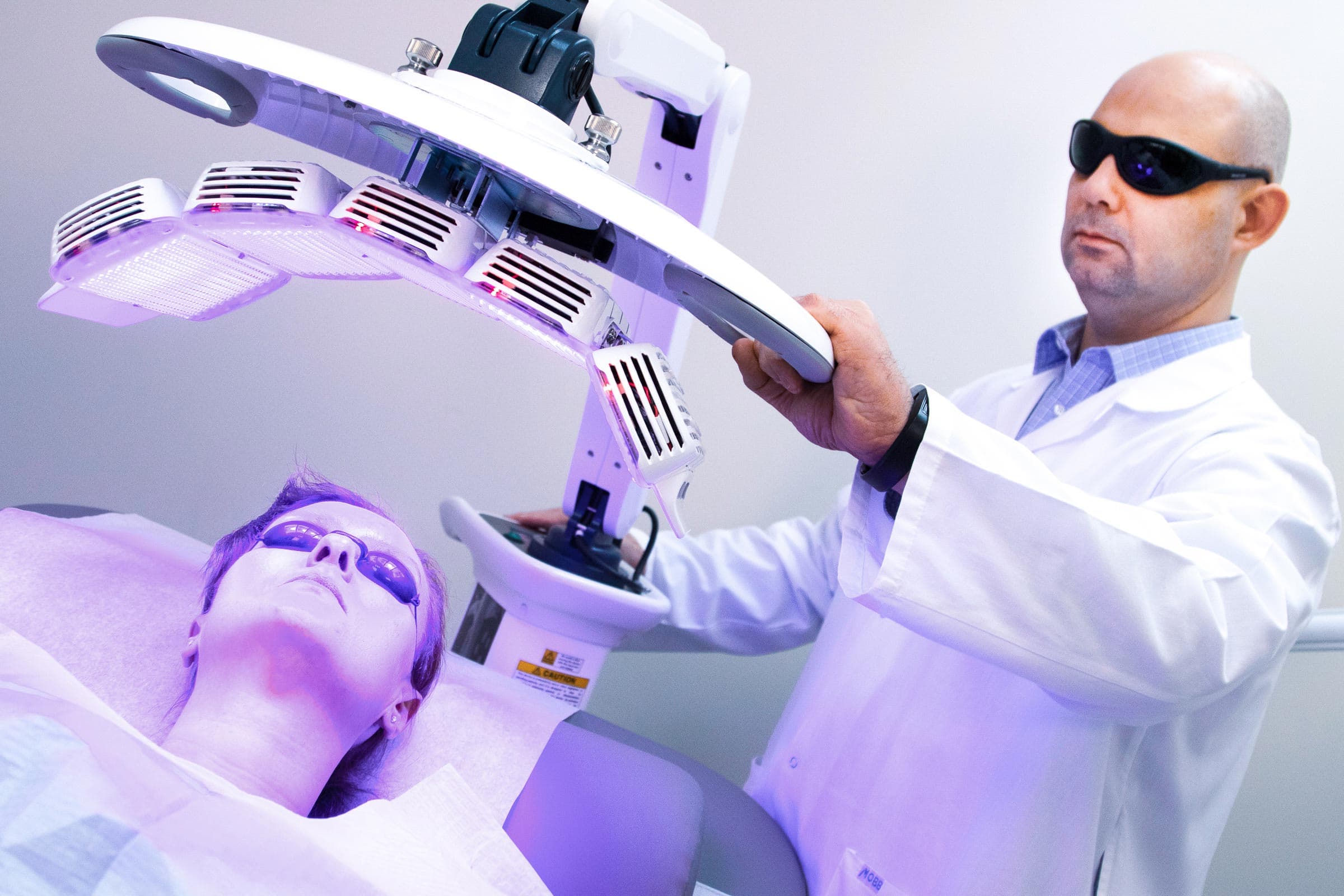
Specialized dermatologic care, coordinated by one physician
Specialty clinic care is accessed through a referral from your family physician or specialist. Assessment, treatment, and follow-up are coordinated directly with your referring provider.