
Photodynamic Therapy & Field Therapy Clinic
Field Treatment | PDT | Surveillance
Targeted treatment of widespread actinic damage and selected superficial non-melanoma skin cancers, addressing the full field of sun damage rather than isolated lesions.
Treating the field, not just the lesion.
Chronic sun exposure produces damage that often extends well beyond what is clinically visible, a pattern dermatologists describe as field cancerization. When precancerous lesions are widespread, recurrent, or located on cosmetically or functionally important sites, treating each lesion in isolation is incomplete.
The clinic provides targeted treatment of widespread actinic damage and selected superficial non-melanoma skin cancers, with what is treated reflecting the full pattern of sun damage rather than only what catches the eye at a single visit.
Conditions Managed
- Actinic keratoses, particularly numerous, confluent, or recurrent
- Field cancerization of the face, scalp, hands, forearms, chest, and lower legs
- Superficial basal cell carcinoma in selected patients
- Bowen's disease (squamous cell carcinoma in situ) in selected patients
- Recurrent actinic damage in solid organ transplant recipients and other immunosuppressed patients
- Sun-damaged skin demonstrating dyschromia, telangiectasia, and textural change alongside premalignant features
Treatments Offered
The choice between photodynamic therapy, topical field therapy, and lesion-directed approaches depends on lesion type and number, anatomical site, patient comorbidities, prior treatment response, and tolerance for downtime.
Photodynamic therapy (PDT)
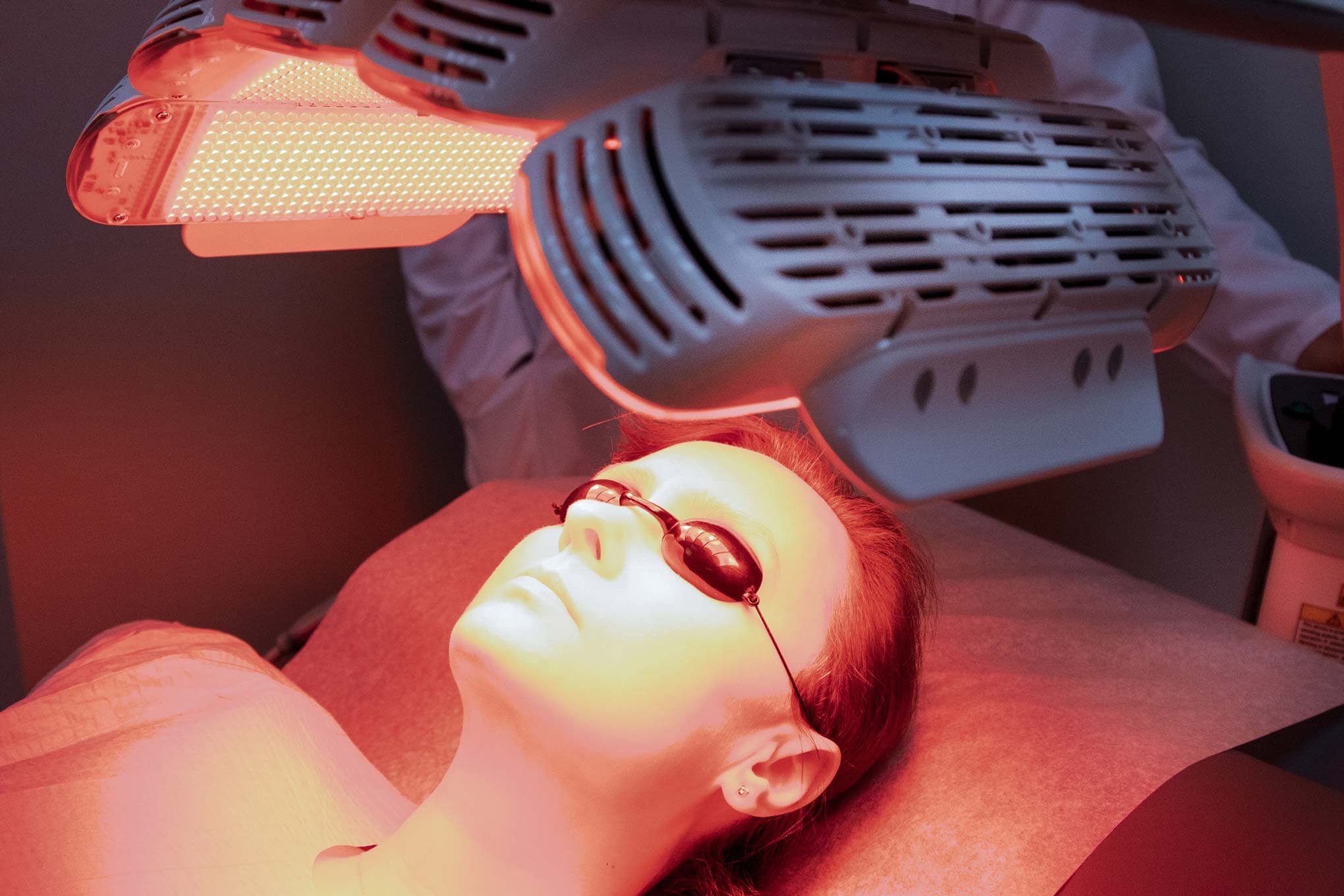
A topical photosensitizer is applied, incubated, and activated with a calibrated light source, clearing visible and subclinical lesions across the field in a single session, with favourable cosmetic results at selected anatomic sites.
- 5-aminolevulinic acid
- Methyl aminolevulinate
Topical field therapy
Patient-applied creams and gels treat an entire affected area over a defined course, suited to widespread or recurrent actinic damage.
- 5-fluorouracil
- Imiquimod
- Tirbanibulin
- Diclofenac
Lesion-directed therapy
Discrete or higher-risk lesions are treated individually, often alongside field treatment, when a targeted approach is more appropriate.
- Cryotherapy
- Curettage and electrodesiccation
- Surgical excision
How the Program Works
Treatment is selected and supervised by Dr. Maksym Breslavets. The choice of approach depends on lesion type and number, anatomical site, patient comorbidities, prior treatment response, and tolerance for downtime.
Field assessment, not lesion counting
Treatment targets the full pattern of sun damage across a region, not only the individual lesions visible at a single visit.
Structured follow-up
Planned review after each course identifies an incomplete response early, so the approach can be adjusted promptly.
Integrated cancer care
Patients at elevated risk of invasive disease are managed alongside the Skin Cancer and Cutaneous Oncology Clinic.
Photoprotection and surveillance
Sun-protection counselling and an ongoing surveillance plan follow once the active treatment course is complete.
Patient Resources
Learn About These Conditions
Evidence-based articles on the conditions assessed and managed in this clinic.
Patient Resources
Related Procedures and Treatments
Procedures and treatments offered through this clinic, explained in detail.
Explore More
Other Specialty Clinics
Referrals
Family physicians and specialists can refer using the CMSD referral form, noting the extent of actinic damage or the lesions of concern in the presenting problem.
Learn about the referral process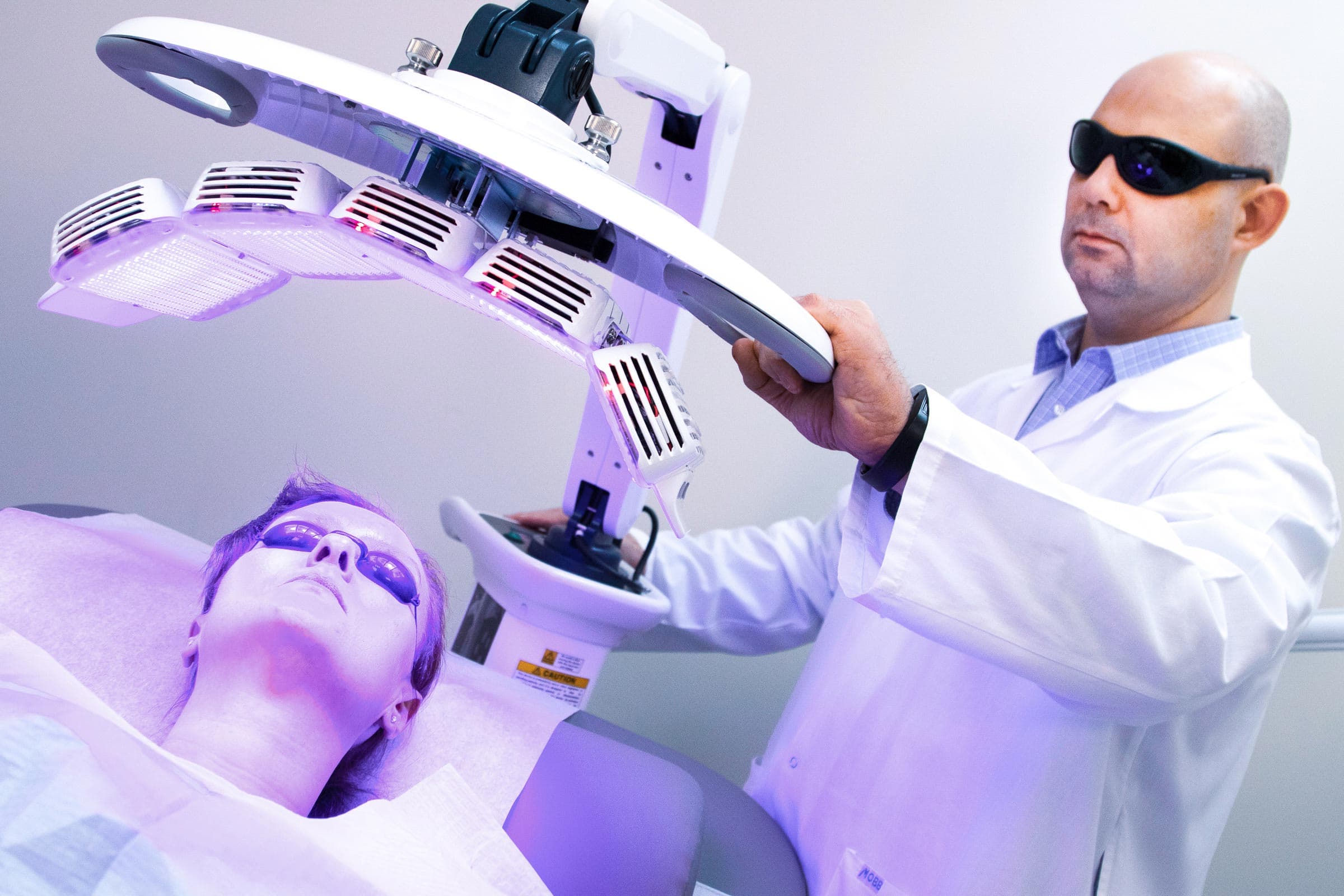
Specialized dermatologic care, coordinated by one physician
Specialty clinic care is accessed through a referral from your family physician or specialist. Assessment, treatment, and follow-up are coordinated directly with your referring provider.