Clinical Hours: Mon-Fri, 8AM - 3PM(905) 493-5700
1885 Glenanna Road, Suite 220, Pickering, ON, L1V 6R6
Advanced radiofrequency treatments targeting skin laxity and texture concerns, delivering controlled energy to stimulate collagen remodeling and tissue tightening.
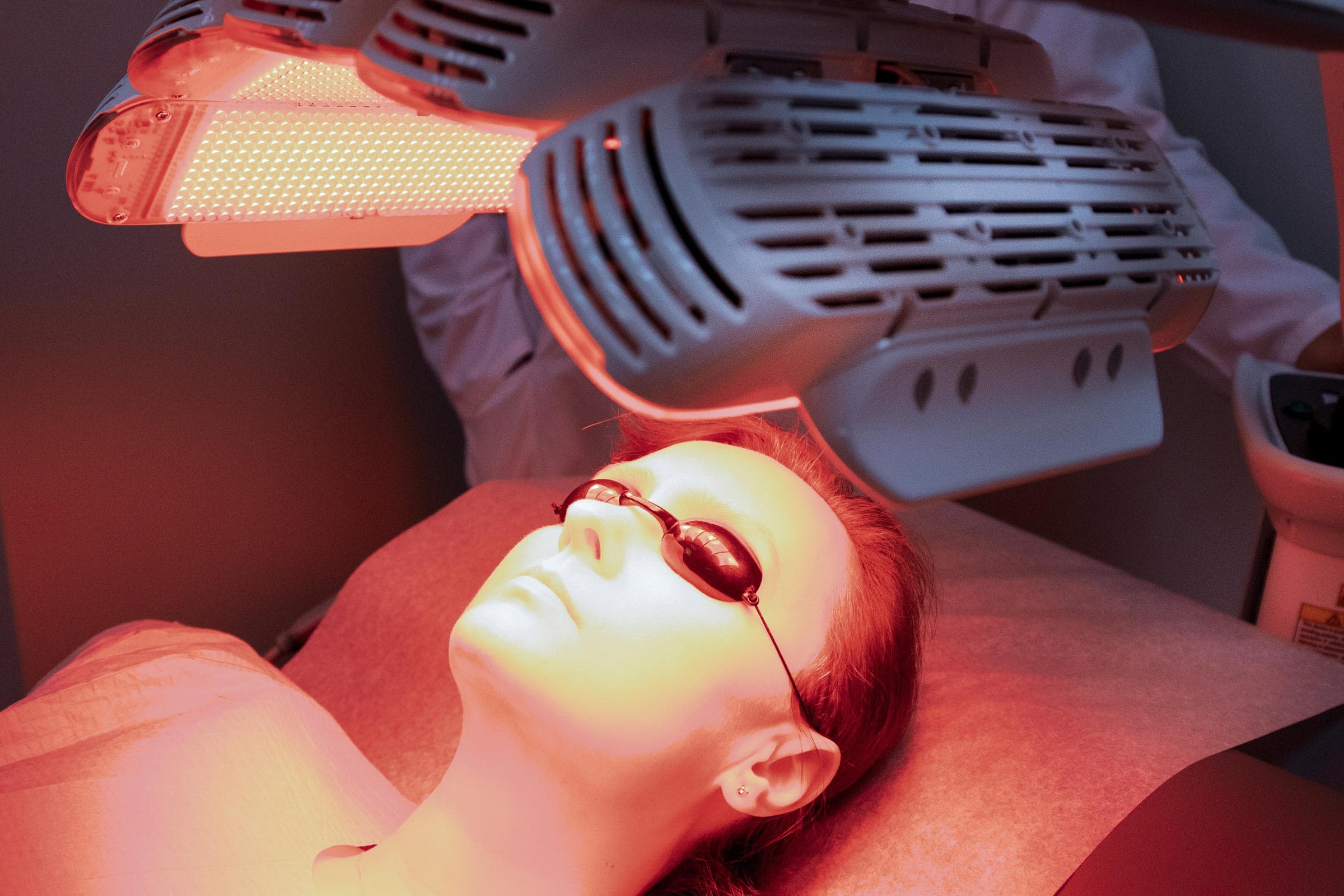
High intensity radiofrequency (RF) is an advanced non-invasive treatment that delivers controlled electromagnetic energy into the deeper layers of the skin. This energy generates targeted heat, stimulating the natural processes of collagen remodelling and tissue tightening. Radiofrequency treatments are used to address skin laxity, fine lines, and textural irregularities without the need for surgical intervention.
Radiofrequency energy penetrates the epidermal layer and delivers precise thermal energy to the dermis, where collagen fibres are concentrated. The controlled heating causes immediate contraction of existing collagen fibres, producing a mild tightening effect. More importantly, the thermal stimulus triggers a wound-healing response that promotes the production of new collagen and elastin over the following weeks and months.
High intensity radiofrequency devices are designed to deliver energy at precisely controlled depths and temperatures, ensuring consistent results while maintaining the safety of surrounding tissues. The treatment parameters are adjusted based on the area being treated, skin thickness, and the specific concern being addressed.
Radiofrequency treatments are particularly effective for addressing age-related changes in skin quality and firmness. Common indications include mild to moderate skin laxity of the face, jawline, and neck; fine lines and wrinkles; uneven skin texture and tone; and loss of facial volume definition. The treatment is suitable for all skin types and tones, as radiofrequency energy is not absorbed by melanin, making it a versatile option across diverse patient populations.
Prior to treatment, a consultation is conducted to evaluate the skin and determine whether radiofrequency therapy is appropriate. During the procedure, a handheld device is applied to the treatment area in a systematic pattern. A coupling gel or cream is typically applied to the skin to facilitate energy delivery and ensure patient comfort. Most patients describe the sensation as a warming feeling, with integrated cooling mechanisms helping to maintain comfort throughout the session.
Treatment sessions generally last between 30 and 60 minutes, depending on the size of the area being treated. A series of sessions, typically spaced two to four weeks apart, is recommended to achieve optimal results. The exact number of sessions varies based on individual skin conditions and treatment goals.
One of the primary advantages of radiofrequency treatment is the minimal recovery time involved. Most patients are able to resume normal activities immediately following a session. Mild redness or warmth in the treated area may be experienced for a few hours but typically resolves without intervention.
Initial improvements in skin tightness may be noticeable within the first few days, with progressive enhancement continuing over two to three months as new collagen matures. Maintenance sessions may be recommended periodically to sustain results, as the natural aging process continues over time. At the Centre for Medical and Surgical Dermatology, treatment plans are customized following a detailed assessment by Dr. Maksym Breslavets to align with each patient's aesthetic goals and clinical needs.
This treatment is classified as a procedural dermatology service. Procedural dermatology services are not covered by OHIP and do not require a physician referral. Appointments may be scheduled directly by contacting the Centre for Medical and Surgical Dermatology.
Your feedback helps us improve our service information
No physician referral is required for procedural dermatology services. These treatments are not covered by OHIP and are available through direct consultation. Contact the clinic to schedule an appointment.