Clinical Hours: Mon-Fri, 8AM - 3PM(905) 493-5700
1885 Glenanna Road, Suite 220, Pickering, ON, L1V 6R6
Broad-spectrum intense pulsed light treatment for vascular lesions, pigmentation concerns, sun damage, and skin rejuvenation using targeted light energy across multiple wavelengths.

Intense pulsed light (IPL) is a broad-spectrum light-based treatment used to address a wide range of skin concerns, including vascular lesions, pigmentation irregularities, sun damage, and general skin rejuvenation. Unlike laser treatments that emit a single wavelength, IPL delivers multiple wavelengths of light simultaneously, allowing several chromophores to be targeted in a single session.
IPL devices emit high-intensity pulses of broad-spectrum light, typically in the 500 to 1200 nanometre range. Filters are applied to select specific wavelength bands depending on the condition being treated. When the light energy is absorbed by target chromophores in the skin, such as haemoglobin in blood vessels or melanin in pigmented lesions, it is converted to heat. This thermal energy selectively damages the targeted structures while leaving surrounding tissue largely unaffected.
The principle of selective photothermolysis governs IPL treatment. By choosing appropriate wavelength filters, pulse durations, and energy settings, specific targets can be heated to the point of destruction without causing significant damage to the epidermis or adjacent tissue. A cooling mechanism is integrated into the handpiece to protect the skin surface during treatment.
A common question involves the distinction between IPL and laser treatments. Lasers produce coherent light at a single, precise wavelength, making them highly specific for one chromophore or condition. IPL, by contrast, emits non-coherent light across a broad spectrum of wavelengths. This broader output allows IPL to address multiple concerns simultaneously; for example, both redness and pigmentation can be treated in the same session.
Lasers are generally preferred when a highly targeted approach is required for a specific lesion type or depth. IPL is often favoured for broader treatment areas and conditions where multiple chromophores are involved. The choice between IPL and laser is determined on a case-by-case basis depending on the patient's skin type, condition severity, and treatment goals.
IPL is used to treat a variety of vascular and pigmentary skin conditions. Common indications include:
It is important to note that IPL is generally not suitable for patients with darker skin types (Fitzpatrick types IV through VI). The higher concentration of epidermal melanin in darker skin increases the risk of unintended absorption of light energy, which can lead to burns, blistering, or post-inflammatory hyperpigmentation. A thorough skin assessment is performed prior to treatment to determine candidacy.
Prior to treatment, a consultation is conducted to evaluate the skin concern, assess the patient's skin type, and establish treatment goals. Patients are advised to avoid sun exposure and self-tanning products for at least two weeks before the procedure, as tanned skin increases the risk of adverse effects.
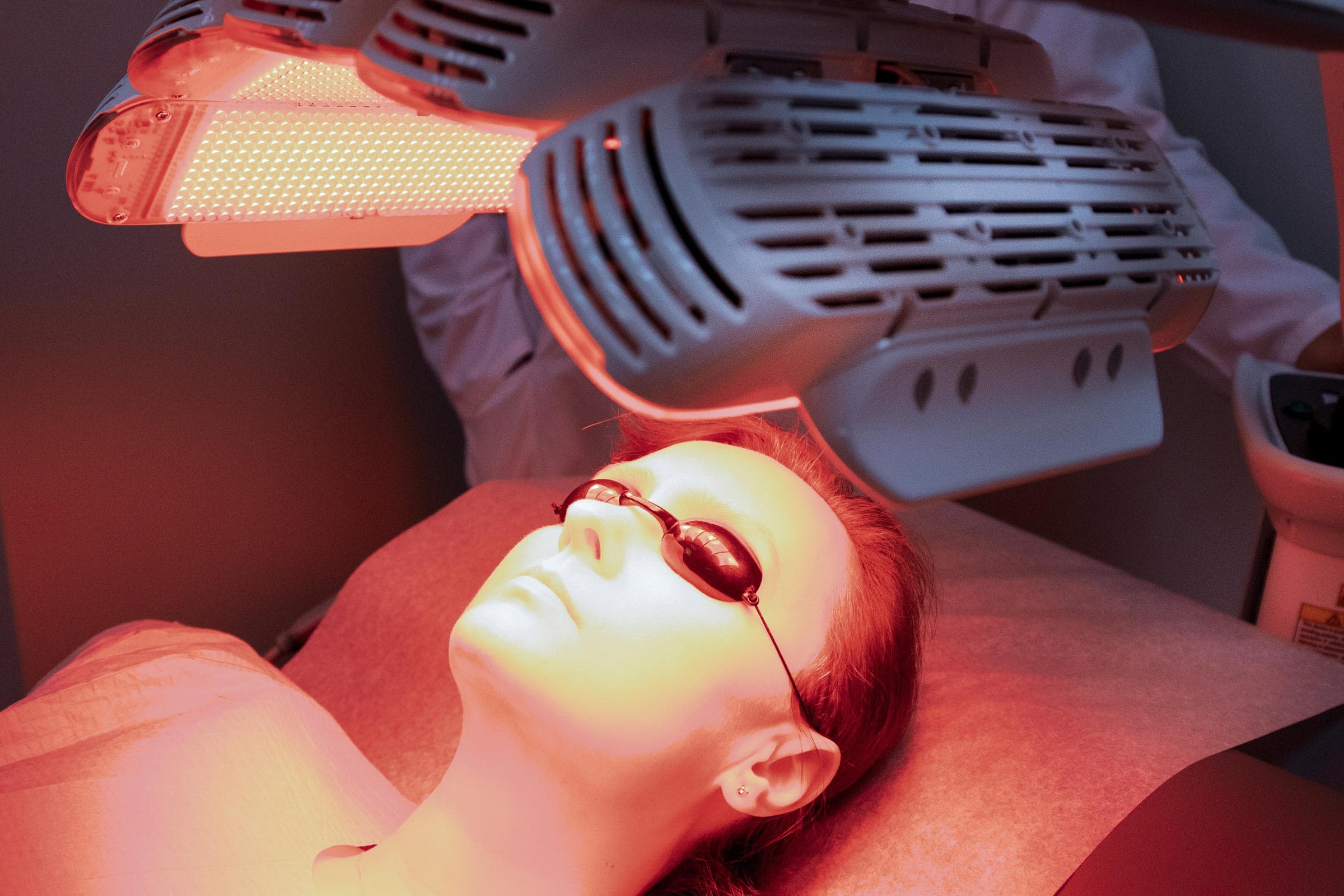
During the session, a cooling gel is applied to the treatment area. The IPL handpiece is then placed against the skin, and pulses of light are delivered in a systematic pattern across the treatment zone. Patients typically describe the sensation as a mild snapping or warming feeling. Protective eyewear is worn throughout the procedure to shield the eyes from the bright light flashes.
Treatment sessions generally last between 20 and 45 minutes, depending on the size of the area being treated. Most treatment protocols involve a series of three to six sessions, spaced approximately three to four weeks apart, to achieve optimal results.
IPL is associated with minimal downtime. Mild redness and a sunburn-like sensation in the treated area are common and typically resolve within a few hours to one day. Pigmented lesions may initially darken before gradually flaking off over the course of one to two weeks. Vascular lesions may appear slightly more prominent immediately after treatment before fading over subsequent days.
Sun protection is essential following IPL treatment. A broad-spectrum sunscreen with an SPF of 30 or higher should be applied daily, and direct sun exposure should be minimised for at least two weeks post-treatment. Gradual improvement is observed after each session, with cumulative results becoming increasingly apparent as the treatment series progresses.
This treatment is classified as a procedural dermatology service. Procedural dermatology services are not covered by OHIP and do not require a physician referral. Appointments may be scheduled directly by contacting the Centre for Medical and Surgical Dermatology.
Dr. Maksym Breslavets at the Centre for Medical and Surgical Dermatology provides IPL treatments tailored to each patient's skin type and condition. A comprehensive assessment is performed prior to treatment to ensure suitability and to develop an individualised treatment plan for optimal outcomes.
Your feedback helps us improve our service information
No physician referral is required for procedural dermatology services. These treatments are not covered by OHIP and are available through direct consultation. Contact the clinic to schedule an appointment.