Clinical Hours: Mon-Fri, 8AM - 3PM(905) 493-5700
1885 Glenanna Road, Suite 220, Pickering, ON, L1V 6R6
Ablative and non-ablative laser treatments for scars, vascular lesions, pigmented lesions, benign growths, and skin resurfacing in dermatological practice.

Laser treatments in dermatology are broadly classified as ablative or non-ablative based on their mechanism of action. Ablative lasers vaporize the outer layers of skin to remove damaged tissue and stimulate collagen renewal, while non-ablative lasers work beneath the skin surface without removing tissue, using targeted light energy to promote healing and remodelling. Both approaches are employed to treat a wide range of dermatological conditions and concerns.
Ablative lasers remove thin layers of skin by vaporizing tissue with precisely targeted thermal energy. The carbon dioxide (CO2) laser is the most widely used ablative device in dermatology, delivering an intense beam that vaporizes superficial skin layers with high precision. It is particularly effective for skin resurfacing, the treatment of acne and surgical scars, the removal of benign growths such as seborrheic keratoses and viral warts, and the management of precancerous lesions such as actinic keratoses.
The erbium:YAG laser provides an alternative ablative option with less thermal spread than CO2, making it suitable for more superficial resurfacing and fine line treatment. Ablative procedures produce controlled wounds that heal over approximately one to two weeks. During healing, new collagen is deposited and the skin surface is renewed, resulting in smoother, firmer, and more even-toned skin.
Non-ablative lasers deliver thermal or photomechanical energy to the deeper layers of the skin without disrupting the surface. This approach stimulates collagen remodelling and cellular renewal with significantly less downtime than ablative treatments.
The pulsed dye laser (PDL) targets haemoglobin in blood vessels and is commonly used for vascular lesions such as port wine stains, haemangiomas, spider veins, and rosacea-related redness. Q-switched lasers deliver very short, high-energy pulses that target melanin and are used for treating pigmented lesions such as solar lentigines and certain tattoos. Fractional non-ablative lasers create microscopic columns of thermal injury within the dermis, leaving surrounding tissue intact and promoting rapid healing with gradual improvement in skin texture and tone.
The range of conditions amenable to laser treatment is broad. Ablative lasers are commonly used for acne scars, surgical scars, benign growths such as seborrheic keratoses and viral warts, precancerous lesions such as actinic keratoses, and comprehensive skin resurfacing. Non-ablative lasers address vascular lesions including spider veins, port wine stains, and haemangiomas, as well as pigmentary concerns, rosacea, and textural irregularities. Some conditions benefit from a combined approach using both modalities in sequence.
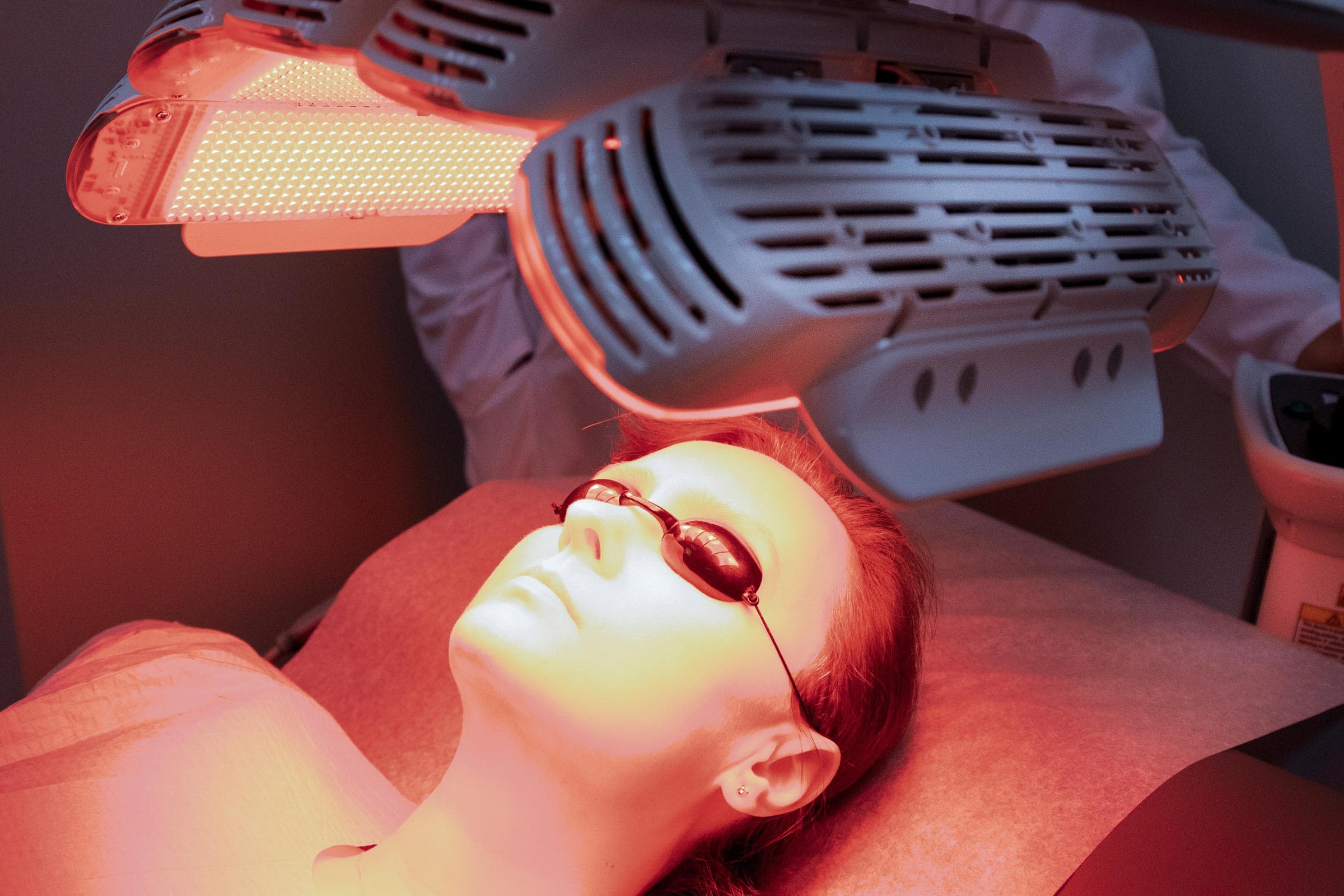
Before treatment, sun exposure is minimized for several weeks and photosensitizing medications are reviewed. On the day of the procedure, the skin is cleansed and local anaesthetic is applied to ensure comfort. The laser is then directed at the targeted areas using parameters selected for the specific condition and skin type. Protective eyewear is worn by both the patient and the practitioner throughout the session.
Treatment duration varies from a few minutes for small focal lesions to over an hour for larger areas of resurfacing. The number of sessions required depends on the condition being treated and the type of laser used, with non-ablative treatments typically requiring a series of sessions for optimal results.
Recovery varies depending on the type of laser used. Ablative treatments involve a healing period of approximately one to two weeks, during which the treated skin may appear red and may crust or peel. Non-ablative treatments typically require little to no downtime, with mild redness resolving within hours to days. Potential side effects include temporary redness, swelling, pigmentary changes, and, rarely, scarring. Sun protection during the recovery period is essential to optimize healing and prevent complications.
At the Centre for Medical and Surgical Dermatology, laser treatments are delivered by Dr. Maksym Breslavets, with each treatment plan tailored to the individual's skin type, condition, and treatment goals.
This treatment is classified as a procedural dermatology service. Procedural dermatology services are not covered by OHIP and do not require a physician referral. Appointments may be scheduled directly by contacting the Centre for Medical and Surgical Dermatology.
Your feedback helps us improve our service information
No physician referral is required for procedural dermatology services. These treatments are not covered by OHIP and are available through direct consultation. Contact the clinic to schedule an appointment.