Clinical Hours: Mon-Fri, 8AM - 3PM(905) 493-5700
1885 Glenanna Road, Suite 220, Pickering, ON, L1V 6R6
An overview of urticaria classification, triggers, and treatment options including antihistamines, Omalizumab, phototherapy, and trigger avoidance strategies.

The condition of urticaria is mainly characterised by the appearance of very itchy hives (weals) with or without the presence of adjacent erythematous flares.
Urticaria is classified into acute and chronic urticaria, depending on its duration. Acute urticaria lasts less than 6 weeks and usually disappears within a few hours to days. Chronic urticaria, which can be either inducible or spontaneous, lasts more than 6 weeks with daily or episodic occurrence of weals.
Chronic and acute urticaria are further categorised into acute, inducible, or spontaneous.
Acute urticaria can be triggered by different factors. It can be caused by different food allergies (e.g., egg, milk, shellfish), drug allergies, acute viral infection (e.g., mycoplasma, upper respiratory infection, viral hepatitis), and/or acute bacterial infection (e.g., sinusitis or dental abscess). Moreover, urticaria can be triggered by bee or wasp stings.
Severe allergic urticaria may result in anaphylactic shock.
Chronic spontaneous urticaria is believed to be idiopathic. It is hypothesised that autoimmune causes are involved. For instance, thyroid disease, vitiligo, and/or coeliac disease are chronic autoimmune diseases that are associated with chronic spontaneous urticaria. Also, chronic underlying infections like Helicobacter pylori or bowel parasites may cause urticaria as well.
Weals in chronic spontaneous urticaria may be facilitated by a viral infection, tight clothing, heat, drug pseudoallergy (e.g., aspirin or opiates), or food pseudoallergy (e.g., food additives).
The primary treatment method of all forms of urticaria is an oral second-generation H1-antihistamine (e.g., loratadine and cetirizine). The standard dose is 10 mg. However, if it is not effective, the dose may be increased to 40 mg per day. When acute urticaria has settled, the medication must be stopped. For resistant cases that do not respond to higher doses or combinations of antihistamines, the injectable medication Omalizumab can be used. Omalizumab represents a new class of therapeutic anti-IgE antibodies.
Even though it is advised to avoid taking antihistamines during pregnancy and breastfeeding, no reports have been made that second-generation antihistamines result in birth defects. If treatment is needed, cetirizine and loratadine will be prescribed.
First-generation antihistamines like chlorpheniramine and promethazine are no longer recommended for treating urticaria.
Identified triggers, including food allergy or drugs, should be eliminated if possible. For example, avoiding relevant type 1 (IgE-mediated) allergens is expected to clear urticaria within 48 hours. This includes avoiding opiates, aspirin, and nonsteroidal anti-inflammatory drugs. The affected area should be cooled with a cold flannel, ice pack, or fan. Dietary pseudoallergens should be minimised for at least three weeks.
Physical triggers for inducible urticaria are advised to be minimised. For example, in the case of cold urticaria, dressing warmly in cold and/or windy conditions is recommended, as is avoiding swimming in cold water. In cases of symptomatic dermographism, friction should be reduced by avoiding tight clothing.
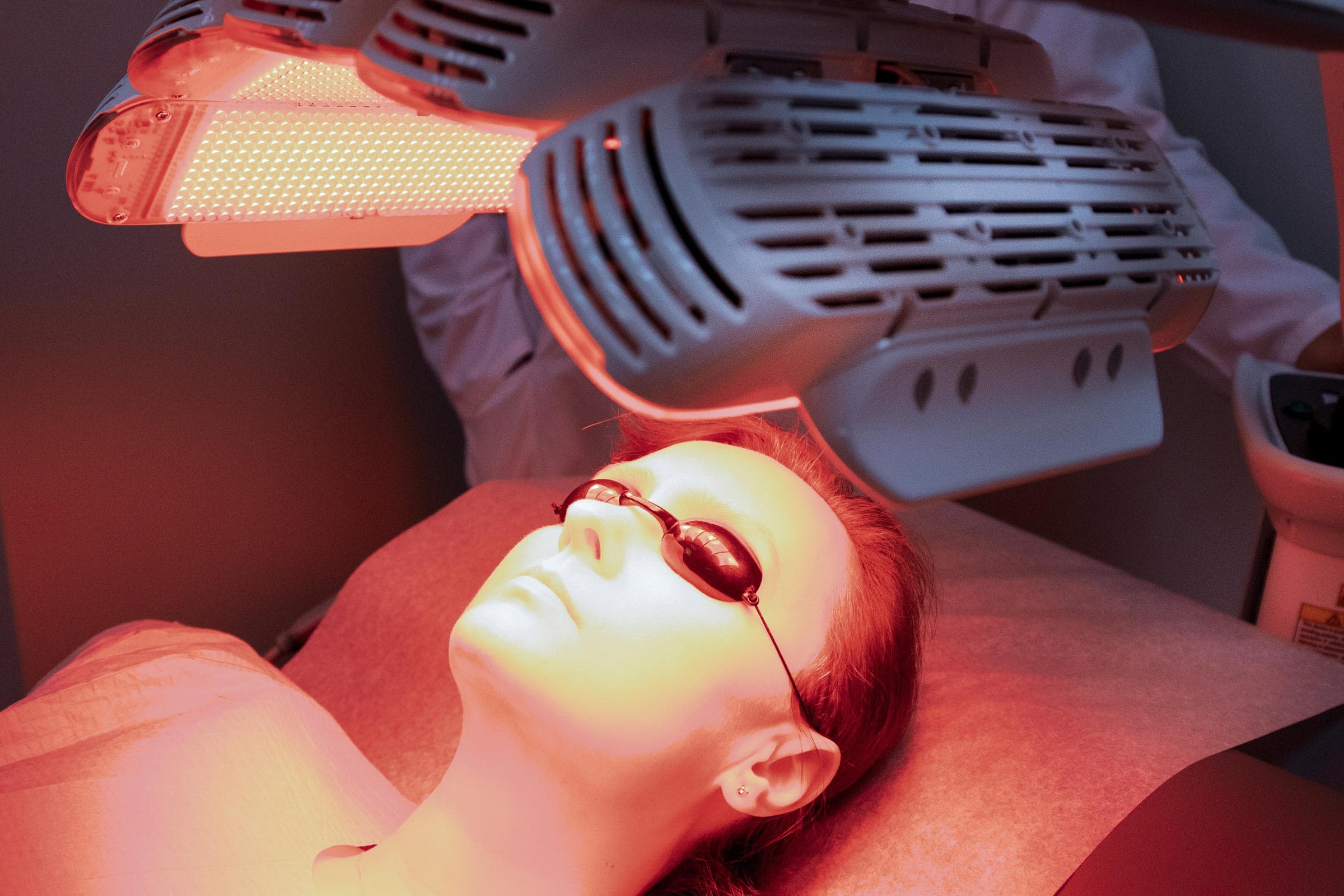
Phototherapy treatment sessions may be administered to relieve the itch of symptomatic dermographism.
If non-sedating antihistamines are not effective, a course of prednisone may be advised for patients diagnosed with severe acute urticaria.
Intramuscular injection of adrenaline (epinephrine) is indicated in critical cases such as swelling of the throat or life-threatening anaphylaxis.
Generally, acute urticaria is expected to resolve within hours to days but may recur in the future. Chronic urticaria usually clears up; however, in 15% of cases wealing can be observed twice weekly after two years.
Your feedback helps us improve our news and clinical insights
From medical dermatology to surgical procedures, our clinic provides comprehensive care for all skin, hair, and nail conditions.