Clinical Hours: Mon-Fri, 8AM - 3PM(905) 493-5700
1885 Glenanna Road, Suite 220, Pickering, ON, L1V 6R6
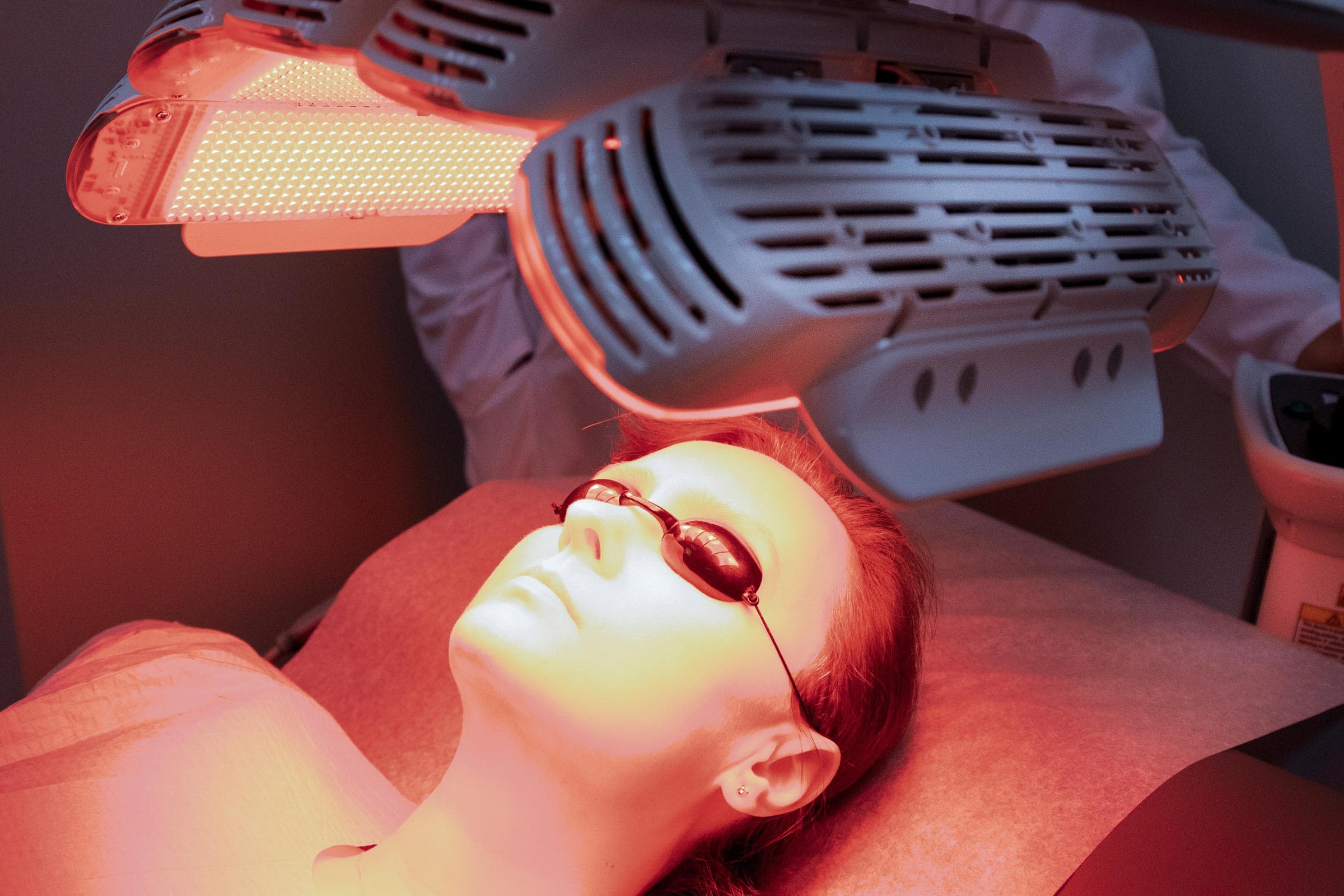
Medical-grade narrowband UVB phototherapy for conditions such as psoriasis, vitiligo, and eczema, delivered under controlled clinical supervision.
Phototherapy is a medical treatment that uses ultraviolet (UV) radiation to manage a variety of inflammatory skin conditions. During treatment, the patient stands in a specially designed cabinet equipped with fluorescent light tubes that emit therapeutic UVB rays. Narrowband UVB phototherapy, which delivers light at a wavelength of 311 nanometres, is now the preferred standard due to its superior efficacy and favourable safety profile compared to the earlier broadband UVB approach.
The therapeutic effects of UVB light are similar to those of natural sunlight, but delivered in a controlled and precise manner. UVB radiation modulates the immune response in the skin, reducing inflammation and slowing the rapid cell turnover associated with conditions such as psoriasis. The dose of UVB is gradually increased with each session based on individual tolerance and skin response.
While controlled doses of UVB offer significant therapeutic benefits, excessive exposure carries risks comparable to unprotected sun exposure, including accelerated skin aging and an increased risk of skin cancer. For this reason, all phototherapy is administered under strict clinical supervision with carefully calibrated dosing.
Phototherapy is effective in treating a number of dermatological conditions. Psoriasis, a chronic and often inherited skin disorder characterized by thick, scaly plaques, is one of the most common indications for UVB treatment. Phototherapy is frequently recommended for patients with widespread psoriasis, though it may not be suitable for individuals with fair or photosensitive skin, or for those whose condition worsens with sun exposure.
UVB phototherapy is also highly effective in managing eczema (atopic dermatitis), vitiligo, and pityriasis lichenoides. The duration and frequency of sessions are customized for each patient based on the severity of the condition and individual skin sensitivity.
Treatments are typically administered two to three times per week. Sessions begin with very short exposures, lasting only a few seconds, and are gradually increased based on individual response. Approximately 24 sessions are typically required to achieve significant improvement or clearance, though a full course may extend beyond this number depending on the condition being treated.
Once the skin clears, treatments are paused and remission can last several months. However, conditions such as psoriasis may return over time, making additional maintenance sessions necessary. Regular attendance throughout the treatment course is essential for achieving optimal results.
Before beginning phototherapy, the treating dermatologist should be informed of any existing medical conditions, particularly eye diseases, along with a complete list of current medications. Some medications can increase sensitivity to UV light, potentially causing burns.
During the treatment period, the application of ointments, perfumes, or coal tar products should be avoided. Sun exposure on both treatment and non-treatment days should be minimized. The regular use of broad-spectrum sunscreen on the face and hands is strongly recommended throughout the course of therapy. At the Centre for Medical and Surgical Dermatology, each phototherapy treatment plan is customized by Dr. Maksym Breslavets following a thorough skin assessment to ensure the most appropriate and effective approach.
Your feedback helps us improve our service information
The Centre for Medical and Surgical Dermatology provides comprehensive care across all areas of dermatology. To schedule a consultation with Dr. Breslavets, please obtain a referral from your healthcare provider.