Clinical Hours: Mon-Fri, 8AM - 3PM(905) 493-5700
1885 Glenanna Road, Suite 220, Pickering, ON, L1V 6R6
Nickel is the most common contact allergen, and it also travels through the diet in everyday foods. Here is how eaten nickel can affect nickel-allergic skin, and when a low-nickel diet may help.

Do I eat metals? For most people the honest answer is yes, in trace amounts, with almost every meal, and it passes entirely without notice. Nickel is a naturally occurring metal that moves from soil into plants and, eventually, onto the plate. For a person with a nickel allergy the same fact carries more weight, because the metal that irritates skin through an earring or a watch strap can, in the right circumstances, provoke a reaction from the inside after it has been swallowed.
Nickel allergy is the most common cause of allergic contact dermatitis worldwide. It is a delayed, or type IV, hypersensitivity reaction, which means the immune system is trained to recognize the metal over time and then responds on each later exposure [1]. Sensitisation frequently begins with prolonged skin contact from pierced jewellery, watch cases, belt buckles, or the metal fasteners on clothing. Once a person has become sensitised, the tendency is usually lifelong. Population surveys report nickel allergy in a large share of adults, and women are affected several times more often than men, a gap attributed mainly to earlier and more frequent skin piercing [1].
On the skin the reaction typically appears as an itchy, red, sometimes blistering rash where the metal touched, the pattern of allergic contact dermatitis that a dermatologist confirms rather than assumes. Diagnosis rests on patch testing, in which standardised allergens, including nickel sulfate, are applied to the back and read over several days to identify the true trigger [1]. Regulation has made a measurable difference, as European limits on how much nickel jewellery and everyday objects may release have been followed by lower rates of new sensitisation in younger groups [4]. A fuller account of where nickel shows up in daily life is worth reviewing alongside this one.
Because nickel is drawn up from the soil, it accumulates in some plant foods far more than in others. Among the richest dietary sources are legumes such as beans, lentils, peas, and soya, together with nuts and seeds, whole grains and oats, cocoa and chocolate, dried fruit, and a number of canned foods and shellfish [3]. An average mixed diet supplies on the order of a few hundred micrograms of nickel each day, the great majority of which passes through the body without any effect [3].
Cooking and water can add to that total. Acidic foods simmered for a long time in stainless steel or nickel-plated cookware can take up extra metal, and the first draw of water from a tap in the morning tends to carry more nickel than water that has been allowed to run first [3]. For the general population none of this registers. It becomes relevant only for the minority whose immune system has already been primed to treat nickel as an intruder [4].
Only a small fraction of ingested nickel is actually absorbed, and absorption rises when the metal is taken on an empty stomach or alongside certain drinks [3]. In most bodies this trickle is cleared by the kidneys and never felt. In a nickel-allergic person, however, even a modest internal load can be enough to keep primed immune cells active, which is why diet enters the conversation at all [2].
In a sensitised person, nickel absorbed from food can occasionally trigger a reaction well away from any point of contact, a phenomenon called systemic contact dermatitis. Instead of a tidy rash beneath a bracelet, the eruption may be symmetrical and widespread, favouring the elbow and knee creases, the buttocks and inner thighs, and the eyelids, or it may surface as a flare of vesicular hand eczema, the small, deep, intensely itchy blisters sometimes called pompholyx [2][3].
Controlled oral challenge studies, in which nickel-allergic volunteers are given measured amounts of the metal by mouth, confirm that a proportion respond with a worsening of their dermatitis, and that some react at doses not far above what a nickel-rich diet can realistically deliver [2]. This is a crucial qualifier: it describes a subset of nickel-allergic patients, not everyone with a positive patch test. Many people who react to an earring can eat beans and chocolate with no skin consequence whatsoever [2].
A low-nickel diet is not a blanket recommendation for anyone who reacts to costume jewellery. It is considered selectively, generally for patients with confirmed nickel allergy whose dermatitis is persistent, widespread, or dominated by hand involvement, and who have not improved after avoiding skin contact and using standard topical treatment [3]. Within that specific group, lowering dietary nickel has been shown to reduce symptoms for a meaningful proportion of patients [2][3].
A workable low-nickel approach concentrates on trimming the highest-nickel foods rather than banning whole food groups, discarding the first run of tap water before drinking or cooking, and not slow-cooking acidic dishes in old stainless steel pots [3]. Because such diets can be restrictive and may fall short on fibre, protein, and micronutrients when followed carelessly, they are best undertaken with guidance from a dermatologist and, where feasible, a dietitian. A low-nickel diet is a management tool, not a cure [3].
The most important step is also the one most easily skipped: confirming that nickel is genuinely responsible. Food reactions are easy to misattribute, and skin problems blamed on diet frequently trace back to an unrelated cause. A structured contact dermatitis assessment, anchored by patch testing, separates true nickel allergy from coincidence and spares patients from adopting a needlessly narrow diet on the strength of a guess [1].
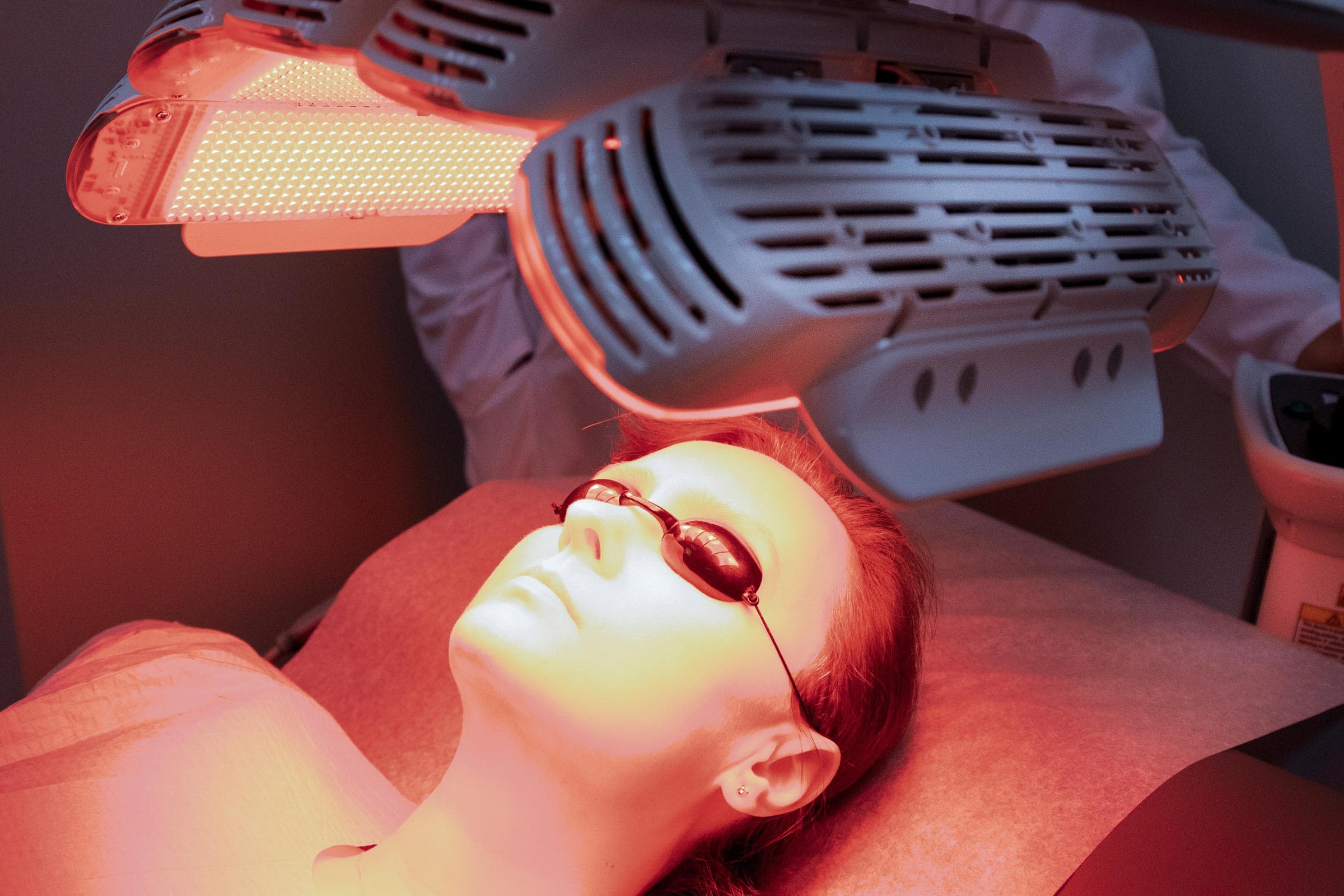
Management begins with avoidance, both of direct skin contact and, in selected patients, of dietary excess. Beyond that, the skin itself is treated much as other eczematous conditions are: regular emollients to rebuild the barrier, topical corticosteroids or calcineurin inhibitors to settle active inflammation, and attention to any coexisting hand eczema [1]. When the dermatitis is chronic, extensive, or resistant to topical measures, narrowband UVB phototherapy provides a well-established option, using controlled doses of ultraviolet light to calm an overactive skin immune response [1]. More severe or refractory disease may warrant systemic therapy under specialist supervision [1].
So, do you eat metals? Yes, and for almost everyone it is a non-event. For the smaller number of people with a confirmed nickel allergy and stubborn skin disease, the nickel on the plate deserves to be taken seriously, but only after the allergy has been properly diagnosed and the everyday sources of skin contact have been addressed. Diet is one lever among several, and it works best when it is pulled deliberately rather than out of a fear of food.
This article is intended for educational purposes and does not replace professional medical advice. Please consult your dermatologist for personalized recommendations.
Your feedback helps us improve our news and clinical insights
From medical dermatology to surgical procedures, our clinic provides comprehensive care for all skin, hair, and nail conditions.