Clinical Hours: Mon-Fri, 8AM - 3PM(905) 493-5700
1885 Glenanna Road, Suite 220, Pickering, ON, L1V 6R6
Chronic itchy, inflamed skin managed with moisturizers, topicals, and immunomodulators.

Eczema is an inflammatory disease responsible for the development of a chronic, non-infectious condition of the skin. The most common symptoms are redness and itchiness of the skin, but vesicles (small blisters) can also form. Due to their fragility, vesicles often burst and release stored liquid. The texture of the skin changes to rough: more dry, cracked, and thickened to the touch.
Eczema occurs in phases. There are periods when it peaks and becomes severe, and there are periods of decline when the condition is present at a minimal level. In some cases, eczema can temporarily disappear from affected areas.
The areas of affected skin and severity of symptoms are unique to each individual and depend on age. For example, babies with eczema may have affected cheeks, arms, legs, back, stomach area, or chest. Children, teenagers, and adults typically experience eczema on the inner part of elbows, back of knees, neck, palms, and soles.
Generally, eczema is triggered by dysregulated immune mechanisms. Patients diagnosed with eczema lack adequate protection from germs in the corneal layer of the skin, as the inflammatory response damages that layer. Approximately 30 to 40 percent of patients have an allergic type of eczema. These patients typically have more complicated cases of skin inflammation and may also have allergic asthma or hay fever. The immune system responds to allergens through the release of antibodies, which in turn causes inflammation.
Some of the allergens potentially linked with eczema include food products (eggs, milk, fish, or nuts), pollen, and dust. In most cases, it is not possible to establish one definitive cause for eczema. Extreme cold, heat, cigarette smoke, and wool can also trigger the disease.
In certain circumstances, dermatitis (eczema) can be caused by direct contact with external allergens, resulting in what is known as allergic contact dermatitis. Common examples include allergic reactions to metals (nickel, cobalt), baby wipes (methylisothiazolinone), and hair colour products (paraphenylenediamine), among others. It is important to note that the patch test used to investigate allergic contact dermatitis is distinct from the skin prick test used in allergy clinics, which is indicated primarily for the diagnosis of hives and is not reliably helpful in diagnosing allergic dermatitis.
The most commonly reported symptoms of eczema include:
Eczema (dermatitis) is diagnosed by a dermatologist through a physical examination. If an allergic reaction is suspected, a patch test may be performed to determine contributing causes. Patch testing is available at the Centre for Medical and Surgical Dermatology as part of the diagnostic process when required. More information about patch testing is available on the patch testing service page.
Since eczema is a chronic disease, it cannot be completely cured; however, it can be properly managed. The symptoms of itchiness, redness, and dryness can be regulated through a careful skin care routine and prescribed medications.
Steroid creams may be prescribed to reduce skin inflammation and itchiness. In addition to topical steroids, other classes of medications are widely used, including topical calcineurin inhibitors (tacrolimus, pimecrolimus) and the phosphodiesterase-4 inhibitor crisaborole. Specialised soaps, cleansers, shower gels, and shampoos can also help maintain skin health. The use of moisturisers at least twice daily is recommended to prevent excessive dryness and irritation. Appropriate products and options are typically discussed with the patient during follow-up appointments.
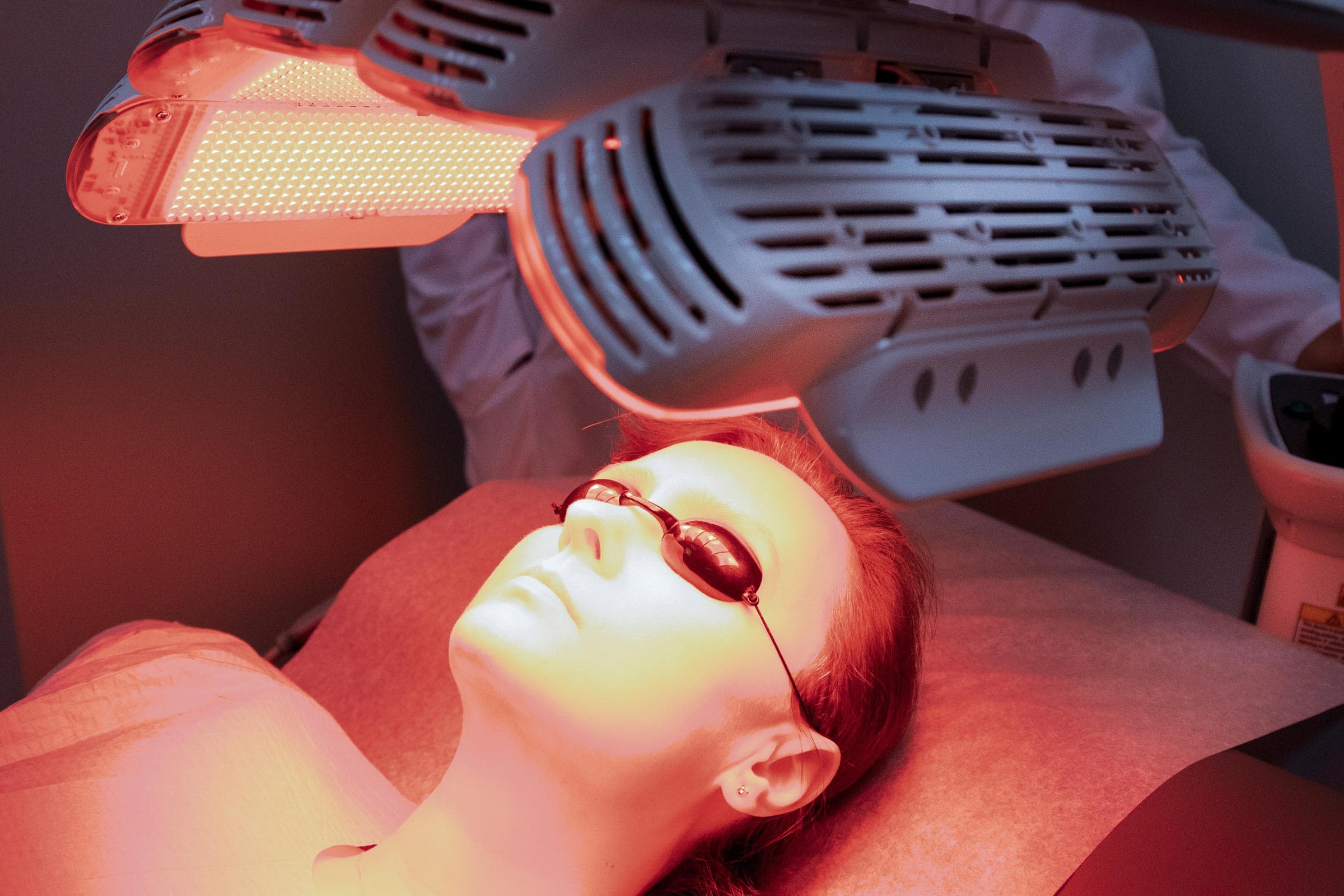
Ultraviolet (UV) light therapy can be incorporated as part of the treatment for eczema. UV light helps to inhibit the dysregulated immune mechanisms that cause inflammation. The Centre for Medical and Surgical Dermatology offers phototherapy for the treatment of eczema.
Systemic medications may be used as an alternative treatment when topical treatments and phototherapy are insufficient for severe eczema. Systemic medications include oral pills and injections. Examples include antibiotics, mycophenolate mofetil, oral or injectable corticosteroids, azathioprine, and small molecule immunosuppressants such as methotrexate and ciclosporin. Dupilumab, a biologic medication, has been approved for the treatment of severe eczema and represents a newer option in the management of the condition. At the Centre for Medical and Surgical Dermatology, biologic therapy and other advanced systemic treatments for severe eczema are provided through the Immune-Mediated Skin Disease Program.
Systemic treatment for eczema should be prescribed only by a board-certified dermatologist experienced in managing complex skin conditions. A Find a Dermatologist service is available through the Canadian Dermatology Association.
Medical attention should be sought when eczema symptoms are persistent, worsening, or significantly affecting quality of life. A dermatologist should be consulted if over-the-counter moisturisers and skin care products are not providing sufficient relief, if signs of skin infection develop, or if the condition is suspected to have an allergic component requiring patch testing. Severe or widespread eczema that does not respond to basic management warrants assessment by a board-certified dermatologist for consideration of prescription topical, phototherapy, or systemic treatment.
Your feedback helps us improve our condition information
Keep Exploring
Evidence-based articles on related skin, hair, and nail conditions.
A physician referral is required to access our medical services. Contact your primary care provider to begin the referral process.