Clinical Hours: Mon-Fri, 8AM - 3PM(905) 493-5700
1885 Glenanna Road, Suite 220, Pickering, ON, L1V 6R6
Achromic nevus is an uncommon birthmark presenting as a pale, well-defined patch. Its causes, variants, diagnostic criteria, and management options are outlined.

Achromic nevus, also known as nevus depigmentosus and non-pigmented nevus, is a very uncommon birthmark that has a well-defined pale patch. Shape and size vary from one case to another, but the border characteristics always remain the same. It is defined but irregular. Sometimes smaller hyperpigmented macules can form around the edges, making the lesion resemble a splash of paint.
Achromic nevus usually becomes visible at birth or early childhood. It usually arises on the trunk but can also appear on limbs and other body parts.
An achromic nevus is a form of cutaneous mosaicism. The condition is caused by an altered clone of pigment cells, melanocytes, with a lack of ability to produce a brown pigment, melanin. The regular transfer pattern becomes impaired: the numbers of melanocytes are normal or reduced and the number of melanosomes may be reduced in the melanocytes and/or keratinocytes.
The most common variants of achromic nevus are isolated achromic nevus, segmental achromic nevus, and linear achromic nevus. Segmental achromic nevus, also called segmental depigmentation disorder, has poorly defined lateral borders with a midline demarcation. Linear achromic nevus has cutaneous findings that overlap with a rare genetic neurocutaneous syndrome called hypomelanosis of Ito.
In 1976, Coupe identified diagnostic criteria for achromic nevus. The first criterion is that a patch of pale skin should be present either at birth or in early years. The second criterion is that the lesion has to remain in the same site throughout a lifetime. The third criterion is that there should be no alterations in texture or changes in sensation in the lesions. Lastly, no dark border should be observed around the affected area.
Achromic nevus would appear with a serrated border, unusual pale appearance (pallor), and faint pigment network via dermatoscopy.
At skin biopsy, the number of melanocytes will be either normal or reduced with a decreased amount of melanin.
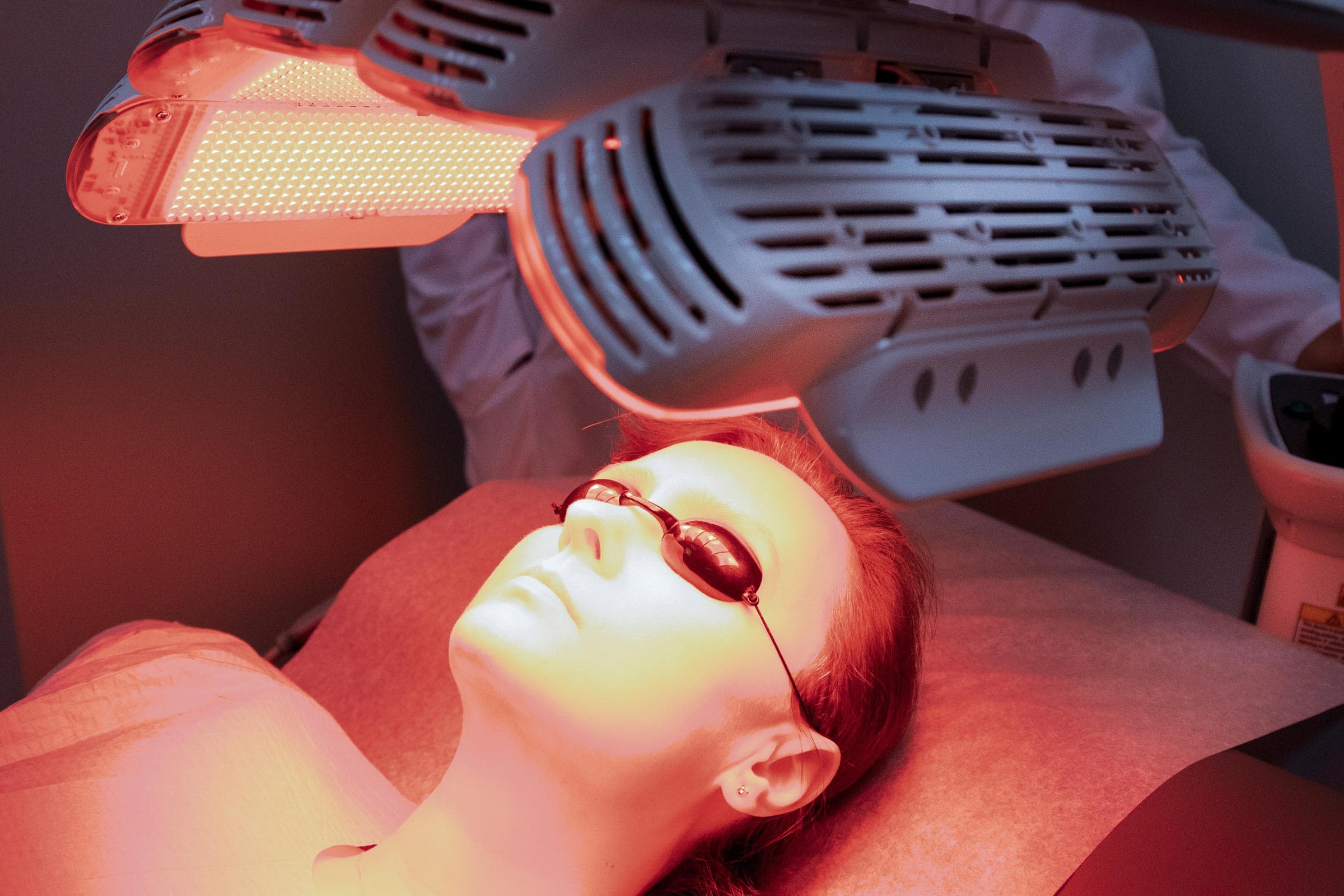
Treatment of achromic nevus is usually not necessary. Cosmetic camouflage may be helpful for some individuals. Different treatment methods, such as phototherapy, laser, and skin grafting, may be implemented for depigmentation purposes.
Your feedback helps us improve our news and clinical insights
From medical dermatology to surgical procedures, our clinic provides comprehensive care for all skin, hair, and nail conditions.