Clinical Hours: Mon-Fri, 8AM - 3PM(905) 493-5700
1885 Glenanna Road, Suite 220, Pickering, ON, L1V 6R6
Eczema, or dermatitis, is a group of chronic inflammatory skin conditions causing itching, redness, and irritation, affecting approximately one in five people.

Eczema, also known as dermatitis, is a group of chronic inflammatory skin conditions that cause itching, redness, and irritation. The term "eczema" originates from the Greek word meaning "to boil over," referring to the characteristic swelling and fluid buildup (spongiosis) that occurs in affected skin. While all eczema is a form of dermatitis, not all dermatitis is classified as eczema. The condition encompasses a broad spectrum of skin reactions that can result from genetic, environmental, immune, or irritant triggers.
Eczema is one of the most common dermatological concerns, affecting approximately one in five people at some point in their lives. It can appear at any age and varies in severity and presentation. Children are more likely to experience atopic eczema, while adults often develop hand dermatitis or contact eczema. In older adults, eczema related to circulation issues, known as venous or gravitational dermatitis, tends to occur.
Eczema can be broadly classified into exogenous and endogenous forms. Exogenous eczema results from external triggers such as allergens, irritants, or physical injury. Examples include allergic contact dermatitis, caused by sensitivity to substances like nickel or fragrance, and irritant contact dermatitis, which occurs from repeated exposure to soaps, detergents, or solvents. Photosensitive dermatitis can also occur after UV exposure.
Endogenous eczema develops from internal factors and immune dysregulation. Common types include atopic dermatitis (often associated with asthma and hay fever), seborrheic dermatitis (caused by a reaction to skin yeast), discoid dermatitis (coin-shaped lesions on limbs), and lichen simplex (resulting from chronic scratching).
Eczema may present acutely or chronically. In acute stages, the skin often appears red, swollen, and blistered, with oozing or crusting lesions. Chronic eczema tends to cause thickened, scaly skin with prominent lines, fissures, and areas of hyperpigmentation. The itch can be intense and persistent, leading to scratching that further damages the skin.
In people with darker skin tones, redness can be less visible, but post-inflammatory pigmentation, either light or dark patches, tends to be more pronounced.
Diagnosing eczema begins with a detailed medical history and examination by a dermatologist. In some cases, further tests may be required, including patch testing to identify allergens, fungal cultures to rule out infections, or blood tests to check for elevated IgE levels often seen in atopic dermatitis. A skin biopsy may also be performed to exclude other conditions that can mimic eczema, such as lupus, psoriasis, or skin lymphoma.
The management of eczema focuses on reducing inflammation, relieving itching, and repairing the skin barrier. Treatment plans vary depending on the severity and underlying cause but typically include topical, systemic, and lifestyle-based approaches.
Topical treatments such as emollients are essential to keep the skin hydrated and restore barrier function. Corticosteroid creams or ointments are often prescribed to reduce inflammation during flare-ups, while non-steroidal alternatives like calcineurin inhibitors (tacrolimus, pimecrolimus) or JAK inhibitors (ruxolitinib) may be used for long-term control, especially on delicate facial or eyelid areas.
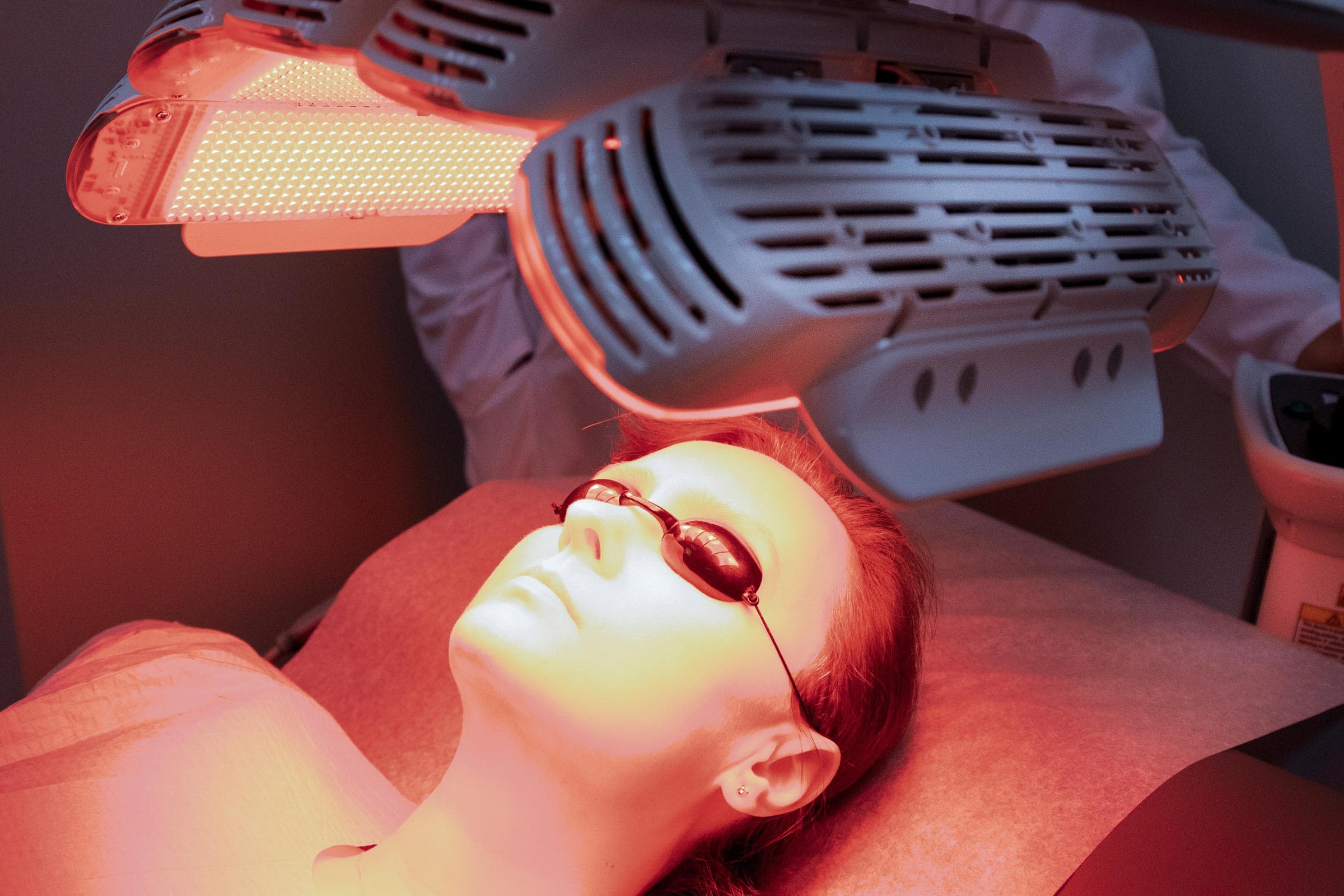
Phototherapy, which involves controlled exposure to ultraviolet light, can benefit patients with chronic or treatment-resistant eczema.
Systemic therapies may be prescribed for severe cases. These include immunosuppressive agents such as methotrexate, azathioprine, or cyclosporine, which help regulate the overactive immune response driving inflammation. Newer biologic and small molecule treatments, such as dupilumab, tralokinumab, and JAK inhibitors like upadacitinib, specifically target the cytokines responsible for eczema, offering hope for patients who do not respond to traditional treatments.
Lifestyle management also plays a vital role. Patients are advised to identify and avoid known triggers, use fragrance-free skincare products, limit exposure to irritants such as detergents or hot water, and maintain consistent moisturisation to prevent flare-ups.
Your feedback helps us improve our news and clinical insights
From medical dermatology to surgical procedures, our clinic provides comprehensive care for all skin, hair, and nail conditions.