Clinical Hours: Mon-Fri, 8AM - 3PM(905) 493-5700
1885 Glenanna Road, Suite 220, Pickering, ON, L1V 6R6
Collagen synthesis depends on dietary protein, vitamin C, and copper. Food sources, supplements, and topical treatments each play a role in supporting collagen production.

Collagen, a vital protein present in the skin and musculoskeletal system, can be found in a variety of foods. Notable sources include bones, red meats such as lamb, beef, and pork, and white meats such as poultry, fish, and shellfish. Other sources include egg whites, marine algae, and spirulina. However, collagen is deficient in the essential amino acid tryptophan, necessitating the inclusion of other protein sources such as beans and legumes for a balanced diet.
Vitamin C plays a crucial role in collagen synthesis. A wealth of vitamin C can be found in fresh fruits and vegetables, including citrus fruits, berries, kiwifruit, and beetroot.
For effective collagen production, minerals such as copper are essential. Copper can be found naturally in foods such as shellfish, cashews, various grains and seeds, and fruits and vegetables including avocados, chickpeas, sweet potatoes, mushrooms, and tofu.
Obtaining nutrients such as vitamins and minerals from fresh foods is generally more effective than from manufactured foods or supplements. Those with diets deficient in protein may find collagen supplements beneficial.
Research on oral collagen hydrolysate supplements often shows more promising results in reducing skin dryness and wrinkles than larger collagen molecules or topical applications, particularly when combined with nutrients such as vitamin C. Collagen derived from both animal and marine sources is used, with marine sources often preferred for their higher absorbability and lower risk of biological contaminants. The origin of collagen supplements is vital for ensuring quality, safety, and environmental impact. Additionally, synthetic collagen can be produced by combining cells from mammals, insects, yeasts, and plants in culture.
Topical retinoids, including retinoic acid and retinaldehyde, enhance the production of type I procollagens and reduce metalloproteinases that break down collagen. Retinoic acid specifically boosts types I, III, and VII collagen in the dermis and restructures the collagen bundles there. In clinical studies, topical retinoids have shown effectiveness in treating dermal aging, reducing wrinkles, roughness, and skin laxity. However, they can sometimes cause skin irritation.
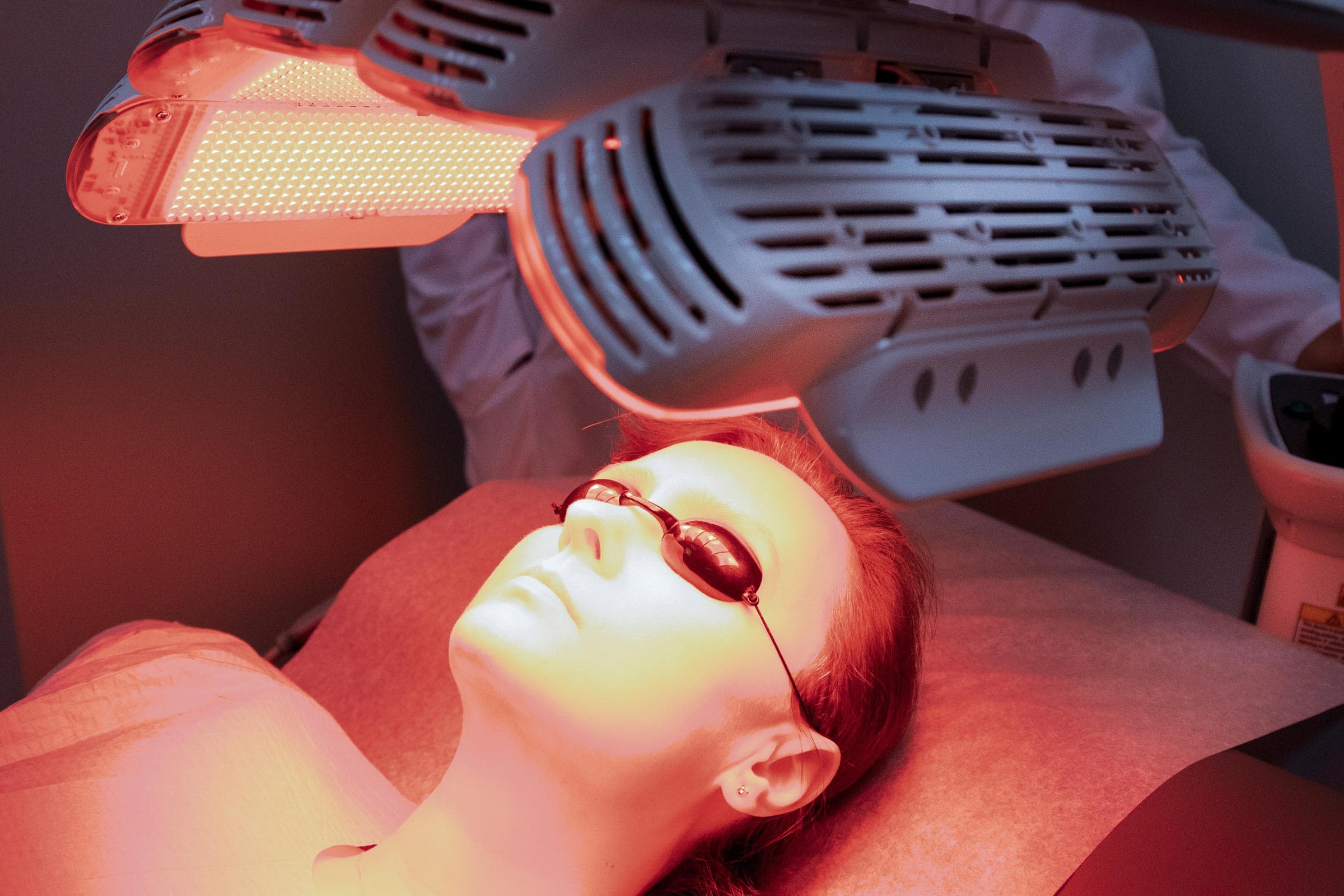
Treatments such as topical alpha-hydroxy acids (AHA), fractional laser therapies, and radiothermoplasty can also promote collagen production to a certain extent.
Your feedback helps us improve our news and clinical insights
From medical dermatology to surgical procedures, our clinic provides comprehensive care for all skin, hair, and nail conditions.