Clinical Hours: Mon-Fri, 8AM - 3PM(905) 493-5700
1885 Glenanna Road, Suite 220, Pickering, ON, L1V 6R6
Female pattern hair loss affects a significant proportion of women and is linked to genetics and hormonal changes. Treatment options focus on slowing progression and improving hair density.

Female pattern hair loss (FPHL) refers to the condition of hair loss that women diagnosed with androgenic alopecia experience. A large proportion of women experience FPHL: approximately 40% of women up to age 50 start showing signs of potential hair loss, and about 55% of women by age 80 do not have a full head of hair.
In female pattern hair loss, scalp hair begins to thin as a result of increased hair shedding and/or a decrease in hair volume. On average, a healthy person loses about 50 to 100 hairs per day.
Female pattern hair loss has very recognisable features that make it distinguishable from male pattern baldness. Male pattern baldness begins with a receding frontal hairline and progresses into a bald patch on the top of the head. Women rarely experience male pattern baldness unless there is excessive production of androgen in the body.
Female pattern hair loss is a genetically inherited condition. It follows a polygenetic mode of inheritance, meaning that multiple genes are responsible for causing the condition. Female pattern hair loss can be inherited from one or both biological parents. As of the current date, genetic testing for potential hair loss is considered unreliable.
Female pattern hair loss can affect any woman at any age; however, it usually occurs after menopause. The hair loss is not a continuous process and occurs periodically. For instance, a patient may experience a significant hair loss period lasting 3 to 6 months, followed by a stability period of 6 to 18 months. Without treatment, the condition can become severe and persist for decades.
Hair loss is not only a cosmetic concern but also a source of serious psychological distress. Women affected by hair loss may develop a negative body image and experience challenges in coping with daily activities. Additional effects include introversion, depression, low self-esteem, and feelings of unattractiveness. Society's emphasis on youthful appearance is believed to compound these challenges for affected women.
Following a dermatologist consultation, blood tests are typically ordered. These tests include assessments of female and male sex hormone levels as well as thyroid function. The majority of women with female pattern hair loss do not exhibit abnormal hormone levels; however, some women present with elevated androgens, which can also result in severe acne, irregular menstrual cycles, and excessive hair growth on the body and face.
Several treatment options are available for female pattern hair loss, though no complete cure exists. Treatment is primarily focused on stopping or slowing the progression of hair loss rather than solely on hair regrowth; however, some women report hair regrowth after appropriate treatment. Results vary between individuals, and it is not possible to predict which treatment options will be beneficial or ineffective for a given patient.
Hormonal treatment is commonly used and includes prescribed oral medications that block the effects of androgens. Some of these medications include cyproterone, spironolactone, and flutamide.
A combination of low-dose oral minoxidil (0.25 mg per day) and spironolactone (25 mg per day) has demonstrated successful results in improving hair density and decreasing hair shedding.
All prescribed treatments should be continued for at least 6 months before positive results can be observed. Long-term treatment is generally maintained to sustain prolonged benefits.
Cosmetic camouflage options are also popular among women experiencing female pattern hair loss. These include coloured hair sprays that cover thinning areas on the scalp, hair wigs, and hair bulking fibre powder.
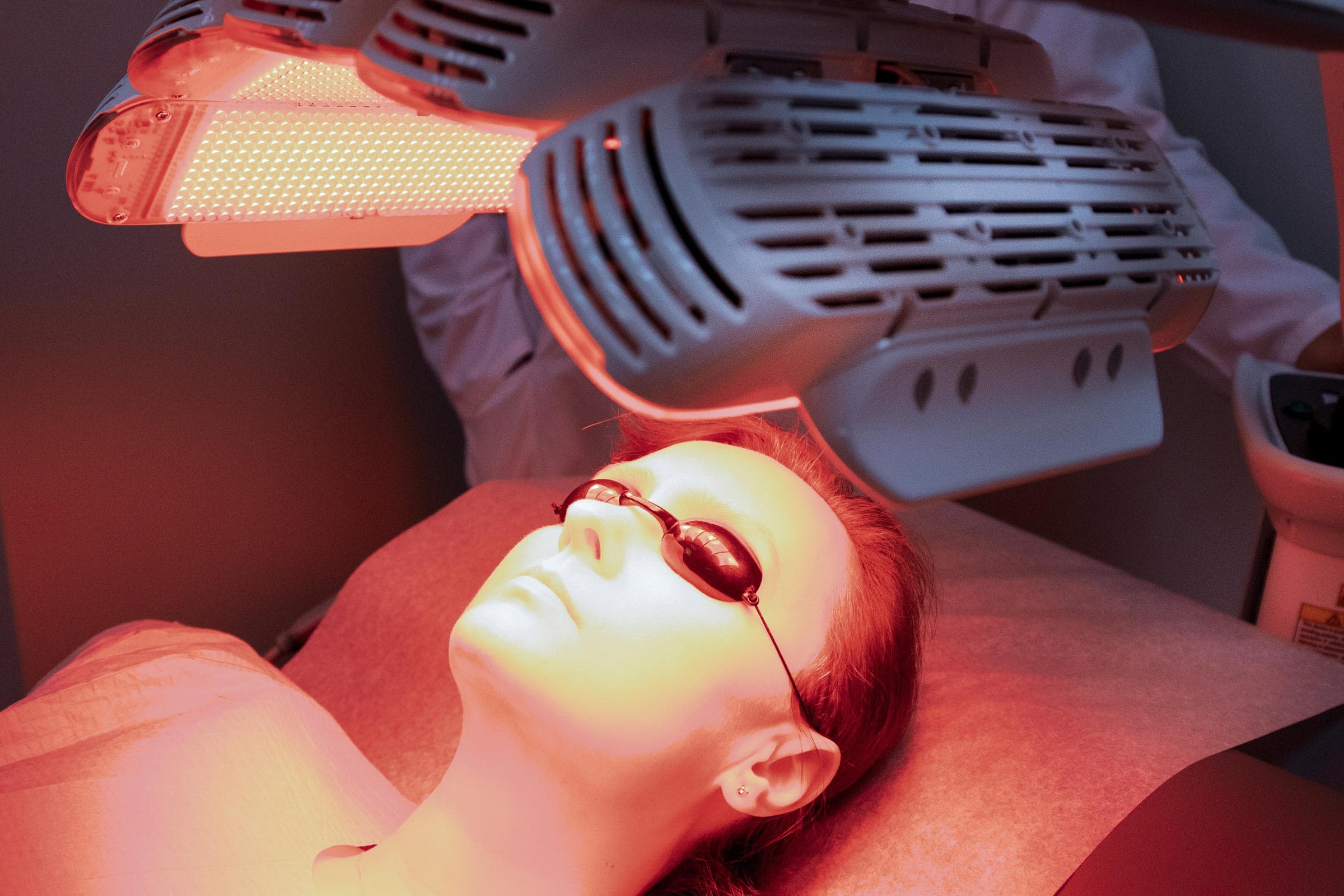
Low-level laser therapy and platelet-rich plasma treatments have shown significant improvements in patients with hair loss following a course of sessions.
Your feedback helps us improve our news and clinical insights
From medical dermatology to surgical procedures, our clinic provides comprehensive care for all skin, hair, and nail conditions.