Clinical Hours: Mon-Fri, 8AM - 3PM(905) 493-5700
1885 Glenanna Road, Suite 220, Pickering, ON, L1V 6R6
Blue light acne treatment is a non-invasive, FDA-approved procedure that uses 405-420 nm wavelengths to eliminate acne-causing bacteria in patients with moderate acne vulgaris.

Blue light acne treatment is a non-invasive procedure that employs a specific range of light waves, known as blue light, with a wavelength of 405-420 nm. Its purpose is to eliminate the Propionibacterium acnes or P. acnes bacteria found in the skin. This FDA-approved photodynamic therapy is primarily used for treating moderate acne vulgaris or acne vulgaris that has not responded to other acne treatments.
Acne-causing bacteria release porphyrins, which are natural substances produced during the synthesis of haem in red blood cells. When these porphyrins absorb light of specific wavelengths, free radicals are generated that damage and eradicate the bacteria. Blue light acne treatment employs a high-intensity, narrow-band blue light source that is readily absorbed by the porphyrins released by acne-causing bacteria.
Previous light therapies utilised UV light, often UVB, which could be harmful to the skin. UV light is no longer utilised for acne treatment, and currently available blue light devices do not emit ultraviolet (UV) light.
Blue light acne treatment can be performed alone or in combination with a photosensitising agent such as topical aminolevulinic acid (ALA) hydrochloride solution (Levulan and Kerastick). Pre-treatment with the photosensitiser has shown an additional reduction in acne lesions and pustules but may result in a temporary crusting reaction for a few days.
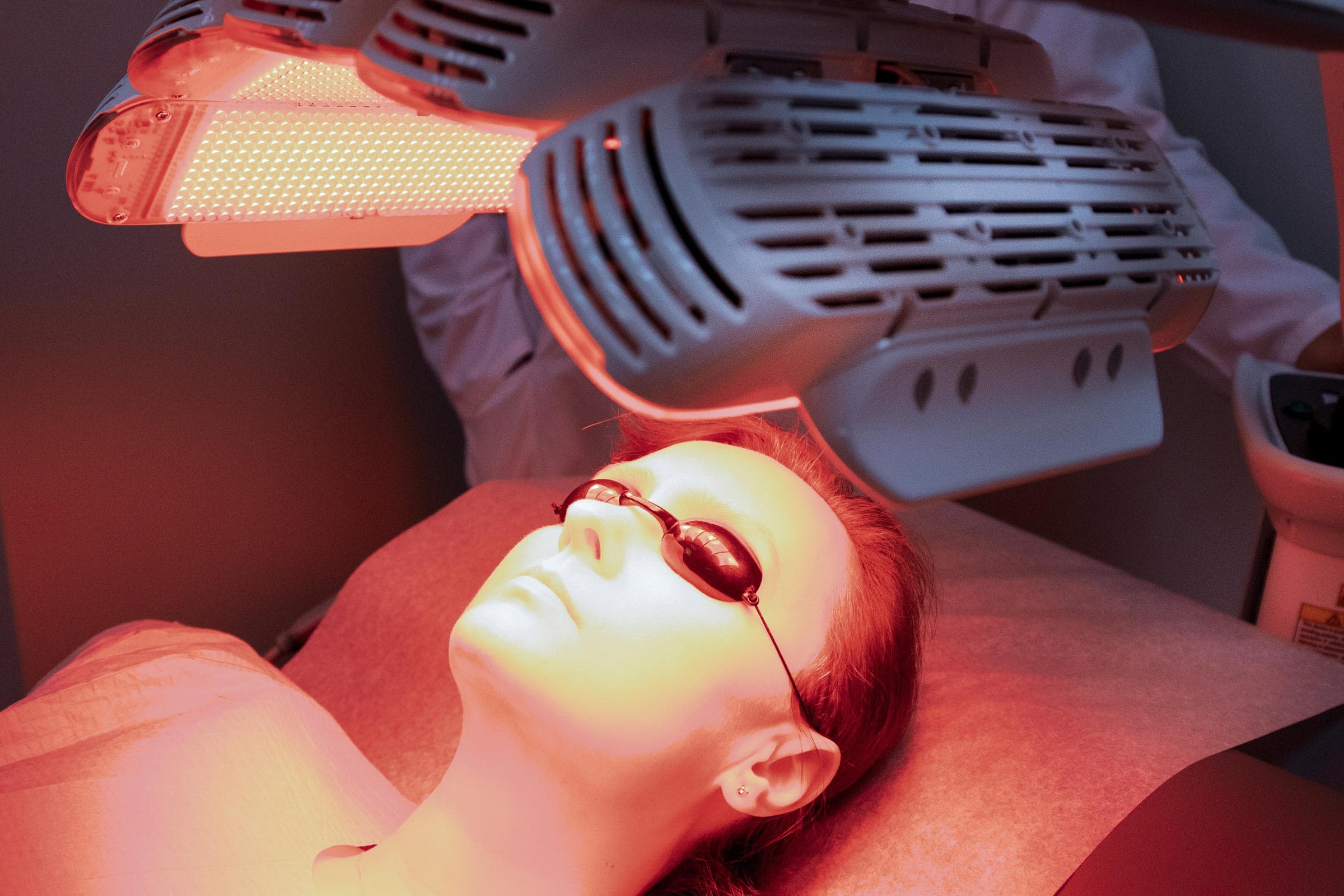
During blue light acne treatment, a blue light delivery system is used. The procedure requires the patient to sit in front of a blue light lamp for approximately 15 minutes. Typically, two sessions per week over a four-week period are sufficient.
Pre-treatment with ALA involves applying the topical ALA solution 30 minutes prior to sitting in front of the blue light lamp for around 8 minutes. Treatments are usually spaced at two-week intervals. The number of treatments necessary depends on the severity of the acne and the observed improvements.
Blue light acne treatment is available through dermatologists, who perform the procedure in their offices. While blue light delivery systems can be purchased for home use, it is highly recommended that a dermatologist supervise their usage.
Side effects are generally minor and may include temporary swelling and dryness in the treated areas, as well as temporary pigment changes.
Your feedback helps us improve our news and clinical insights
From medical dermatology to surgical procedures, our clinic provides comprehensive care for all skin, hair, and nail conditions.