Clinical Hours: Mon-Fri, 8AM - 3PM(905) 493-5700
1885 Glenanna Road, Suite 220, Pickering, ON, L1V 6R6
An overview of energy based techniques for acne scarring treatment, including ablative and non-ablative lasers and radiofrequency devices.

Acne scarring is one of the most common negative side effects of acne, caused by the uneven formation and deposition of collagen around inflamed follicles. The scarring leads to a negative impact on quality of life, including depression. Acne scarring has also been linked with low self-esteem, anxiety, and poor academic performance. Over recent time periods, medical interventions have evolved to successfully decrease the visibility of scars. The types of medical treatment for acne scarring have been grouped into two broad categories: energy based and non-energy based techniques.
For non-energy based techniques, see Acne Scarring Removal: Non-Energy Based Techniques.
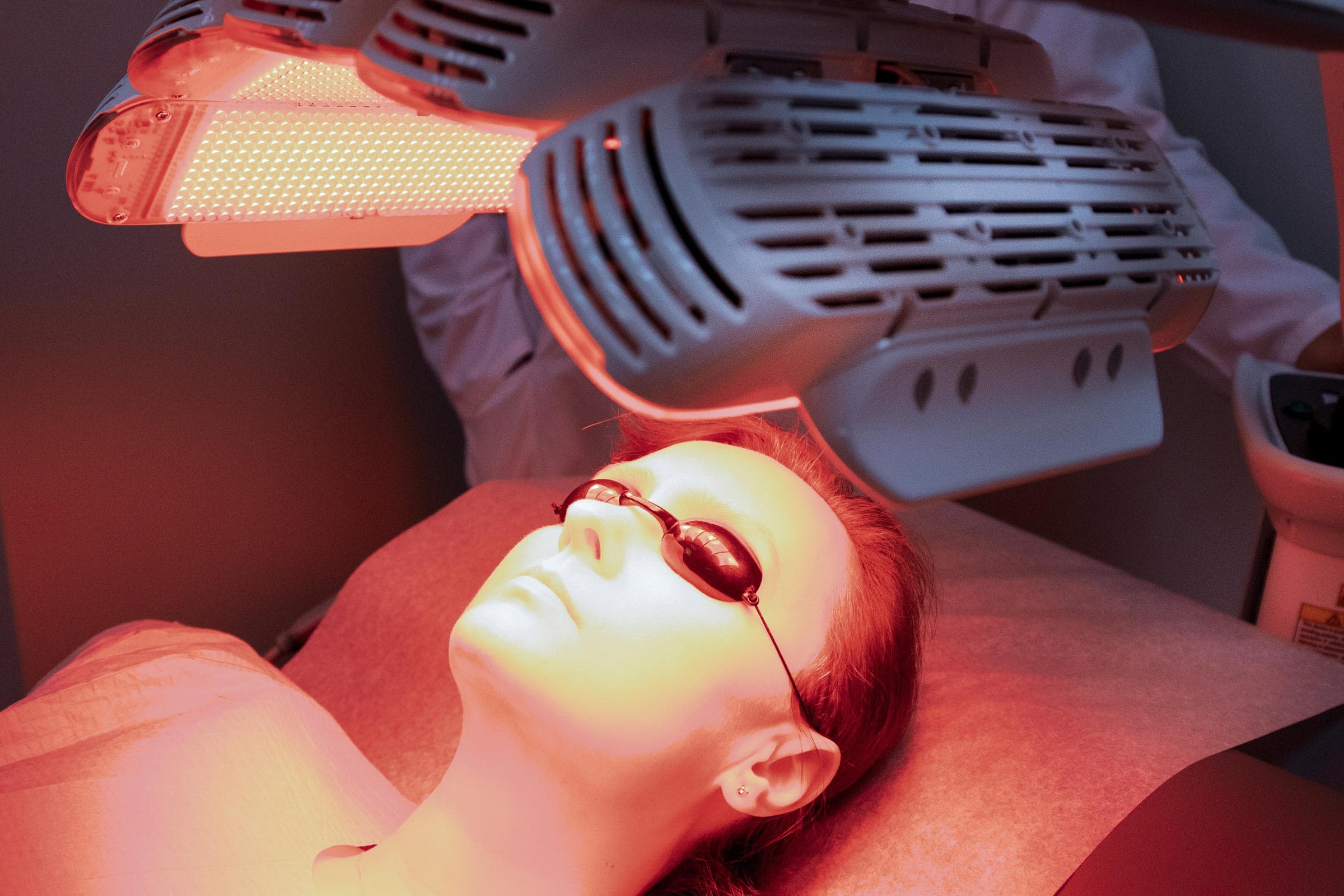
Energy based techniques include lasers and radiofrequency devices.
Lasers are the most common method of energy based techniques and can be further classified into ablative, fractional ablative, and non-ablative. In the past, the ablative laser method was widely used due to its high success rate after just one session. The procedure included the removal of the epidermis and partial dermis layers on affected skin areas, which led to remodelling and neocollagenesis. However, due to prolonged recovery periods and high risks of negative side effects, safer alternatives such as radiofrequency devices, fractional ablative, and non-ablative lasers became more popular.
Radiofrequency (RF) devices employ the technique of passing electrical current through the skin between electrode-pin rows, which generates deep dermal heating. As a result, controlled injury of the skin is induced, which initiates a natural healing process and stimulates dermal collagen remodelling.
Microneedling radiofrequency (MRF) devices employ multiple needles that deliver RF energy directly into the dermis layer. The needles are insulated, which removes the risk of potential electrothermal damage. MRF is the only technique that enables control of depth levels by needles, which allows discrete electrothermal coagulation to be performed at different levels of the dermis.
Your feedback helps us improve our news and clinical insights
From medical dermatology to surgical procedures, our clinic provides comprehensive care for all skin, hair, and nail conditions.