Clinical Hours: Mon-Fri, 8AM - 3PM(905) 493-5700
1885 Glenanna Road, Suite 220, Pickering, ON, L1V 6R6
Abnormal collagen deposition from inflamed follicles; modern options include laser therapy and radiofrequency devices.

Acne scarring is one of the most common negative side effects of acne, caused by the uneven formation and deposition of collagen around the inflamed follicles. The scarring creates a negative impact on an individual's quality of life and is often associated with anxiety, depression, low self-esteem, and even poor academic performance.
Over recent decades, medical interventions have evolved to successfully decrease the visibility of scars. The types of medical treatment for acne scarring have been grouped into two broad categories: energy-based and non-energy-based techniques.
Acne scars form when inflamed follicles trigger an abnormal wound-healing response. When the body repairs damaged skin tissue, collagen is deposited in an uneven manner, producing a textural irregularity on the skin surface. Factors that increase the likelihood of scarring include the severity of acne lesions, delayed or inadequate treatment, and a genetic predisposition toward abnormal collagen production.
Acne scars present in several distinct forms, each reflecting a different pattern of collagen remodelling:
Acne scarring is diagnosed through a clinical examination of the skin by a qualified dermatologist. The type, depth, and distribution of scars are assessed in order to guide treatment planning. In some cases, dermoscopy or imaging tools may be used to evaluate the extent of dermal involvement. An accurate characterisation of scar subtypes is essential, as different scar morphologies respond to different treatment modalities.
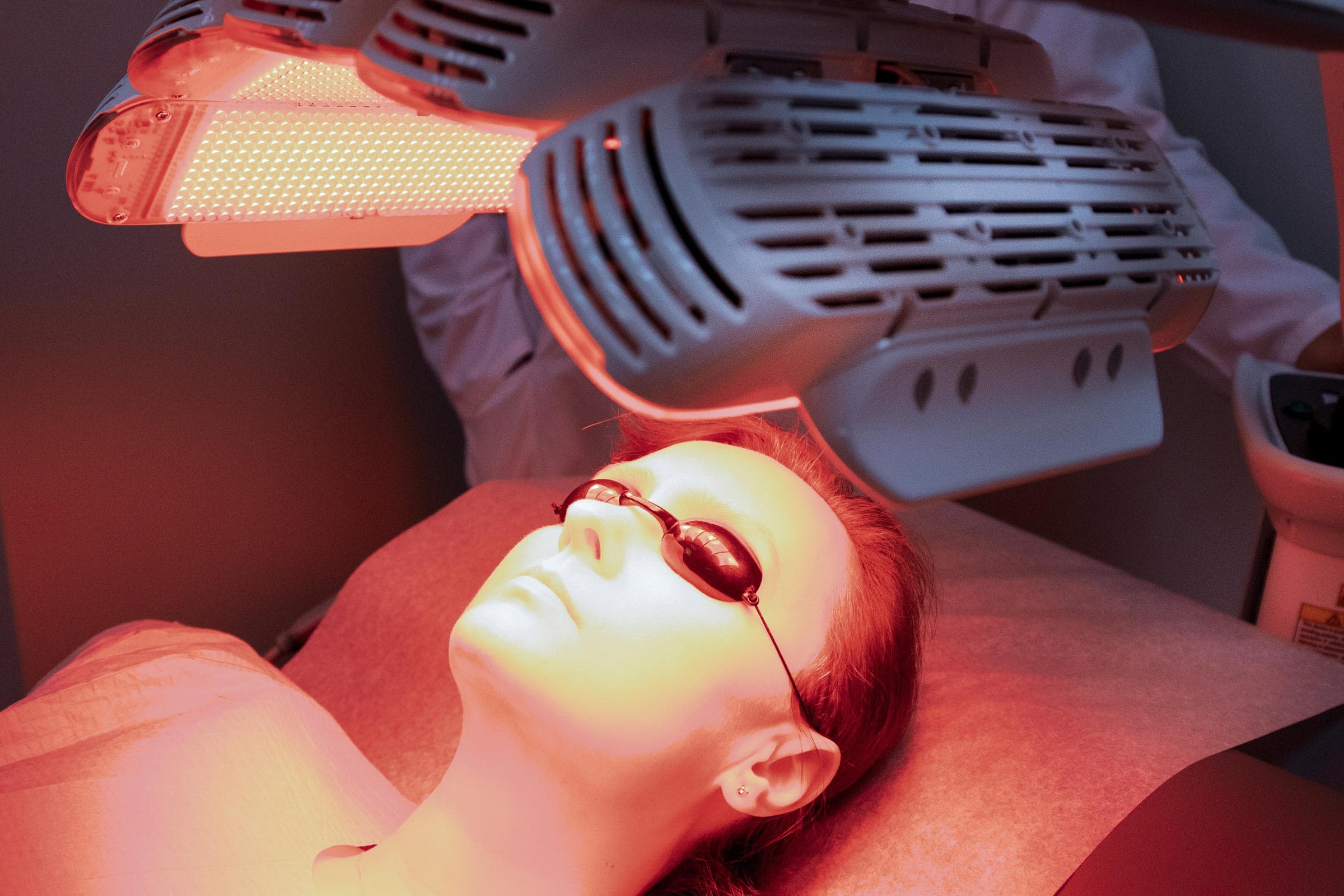
Treatment for acne scarring is broadly divided into energy-based and non-energy-based techniques. Energy-based approaches, including lasers and radiofrequency devices, are among the most widely used methods.
Lasers are the most common energy-based technique and are further classified into ablative, fractional ablative, and non-ablative types. The ablative laser method was historically favoured due to its high success rate following a single session. This procedure involves the removal of the epidermis and partial dermis in the affected area, leading to tissue remodelling and neocollagenesis.
The recognised gold standard of laser resurfacing is CO2 fractional laser ablation, which is supported by scientific evidence for this application.
Radiofrequency (RF) devices employ a technique in which an electrical current is passed through the skin between electrode-pin rows, generating deep dermal heating. The resulting controlled injury to the skin initiates a natural healing process that stimulates dermal collagen remodelling.
Microneedling radiofrequency (MRF) devices utilise multiple insulated needles that deliver RF energy directly into the dermis. The insulation of the needles eliminates the risk of electrothermal damage to surrounding tissue. This technique also allows precise control of needle depth, enabling discrete electrothermal coagulation to be performed at varying levels within the dermis.
Chemical resurfacing uses controlled application of chemical solutions to remove damaged outer layers of skin, stimulating cell turnover and collagen production. Medium-depth and deep chemical peels can improve the appearance of atrophic acne scars and are available at the Centre for Medical and Surgical Dermatology as part of a comprehensive scar treatment approach.
Collagen induction therapy, also known as microneedling, involves the use of fine needles to create controlled micro-injuries in the skin. This process stimulates the natural wound-healing response and promotes new collagen and elastin production, gradually improving scar texture and depth. Collagen induction therapy may be used alone or in combination with other treatment modalities for optimal results.
A consultation with a dermatologist is advisable when acne scarring persists after active acne has resolved, when scarring is affecting quality of life, or when over-the-counter products have not produced satisfactory results. Early assessment by a specialist increases the range of treatment options available and may prevent further progression of scarring. At the Centre for Medical and Surgical Dermatology, treatment plans are tailored to the individual patient based on scar type, skin characteristics, and clinical assessment by Dr. Maksym Breslavets. A consultation request can be submitted to discuss treatment options for acne scarring.
Your feedback helps us improve our condition information
Keep Exploring
Evidence-based articles on related skin, hair, and nail conditions.
A physician referral is required to access our medical services. Contact your primary care provider to begin the referral process.