Clinical Hours: Mon-Fri, 8AM - 3PM(905) 493-5700
1885 Glenanna Road, Suite 220, Pickering, ON, L1V 6R6
Abnormal scarring conditions including hypertrophic scars and keloids, managed with intralesional injections, silicone therapy, and surgical techniques.

Scarring is a natural part of the wound healing process. When the skin is injured, the body produces collagen fibres to repair the damaged tissue, resulting in a scar. In most cases, scars gradually fade and flatten over time. However, abnormal scarring can occur when the healing process produces an excessive amount of collagen, leading to raised, thickened, or otherwise prominent scar tissue.
The two most common forms of abnormal scarring are hypertrophic scars and keloids. A hypertrophic scar is a raised, firm scar that remains confined to the boundaries of the original wound. A keloid scar, by contrast, extends beyond the original wound site and can continue to grow over time. Both types of scarring are benign and do not develop into skin cancer, but they may cause discomfort, itching, or cosmetic concern.
Scars can vary widely in appearance depending on the type and location of the injury, the depth of the wound, and individual healing characteristics. Common scar types include flat scars, atrophic (depressed) scars, hypertrophic scars, and keloids. Surgical scars, acne scars, and scars from burns or trauma each present distinct features and may require different management approaches.
Scars form whenever the skin sustains damage that extends beyond the superficial epidermis. Common causes include surgical incisions, lacerations, burns, acne, piercings, and insect bites. The severity and appearance of the resulting scar depend on the depth and extent of the injury, the location on the body, and the individual healing response.
The precise mechanisms that lead to keloid formation have not been fully established. While most individuals heal with normal scars, some develop excessive scar tissue even from minor injuries. Known risk factors for abnormal scarring include:
The presentation of scars varies depending on the type:
Scars and keloids are typically diagnosed through clinical examination by a dermatologist. The appearance, texture, and location of the scar, along with the patient's history of injury or skin trauma, are usually sufficient for diagnosis. Distinguishing between a hypertrophic scar and a keloid is important, as the two conditions may differ in prognosis and treatment response.
A skin biopsy may be performed when the diagnosis is uncertain or when other conditions, such as dermatofibrosarcoma protuberans, need to be excluded.
Treatment is individualised based on the type of scar, its size, location, and severity, as well as the patient's history and treatment goals. Several approaches are available, and combination therapy is often employed for optimal results.
Silicone gel sheets and silicone-based topical products are first-line treatments for the prevention and management of hypertrophic scars and keloids. These products help to hydrate the scar tissue and regulate collagen production. Silicone dressings are generally recommended to be worn for 12 to 24 hours per day for a minimum of 8 to 12 weeks. Emollients and moisturisers may also be used to soften and improve the texture of scar tissue.
Intralesional corticosteroid injections, such as triamcinolone acetonide, are administered directly into hypertrophic or keloid scar tissue. This treatment reduces inflammation, flattens the scar, and alleviates associated itching and discomfort. Sessions are typically repeated at intervals of several weeks and represent one of the most established treatment modalities for raised scars.
Cryotherapy involves freezing the scar tissue with liquid nitrogen to destroy excess collagen-producing cells. This approach may be used alone or in combination with intralesional steroid injections for enhanced effectiveness.
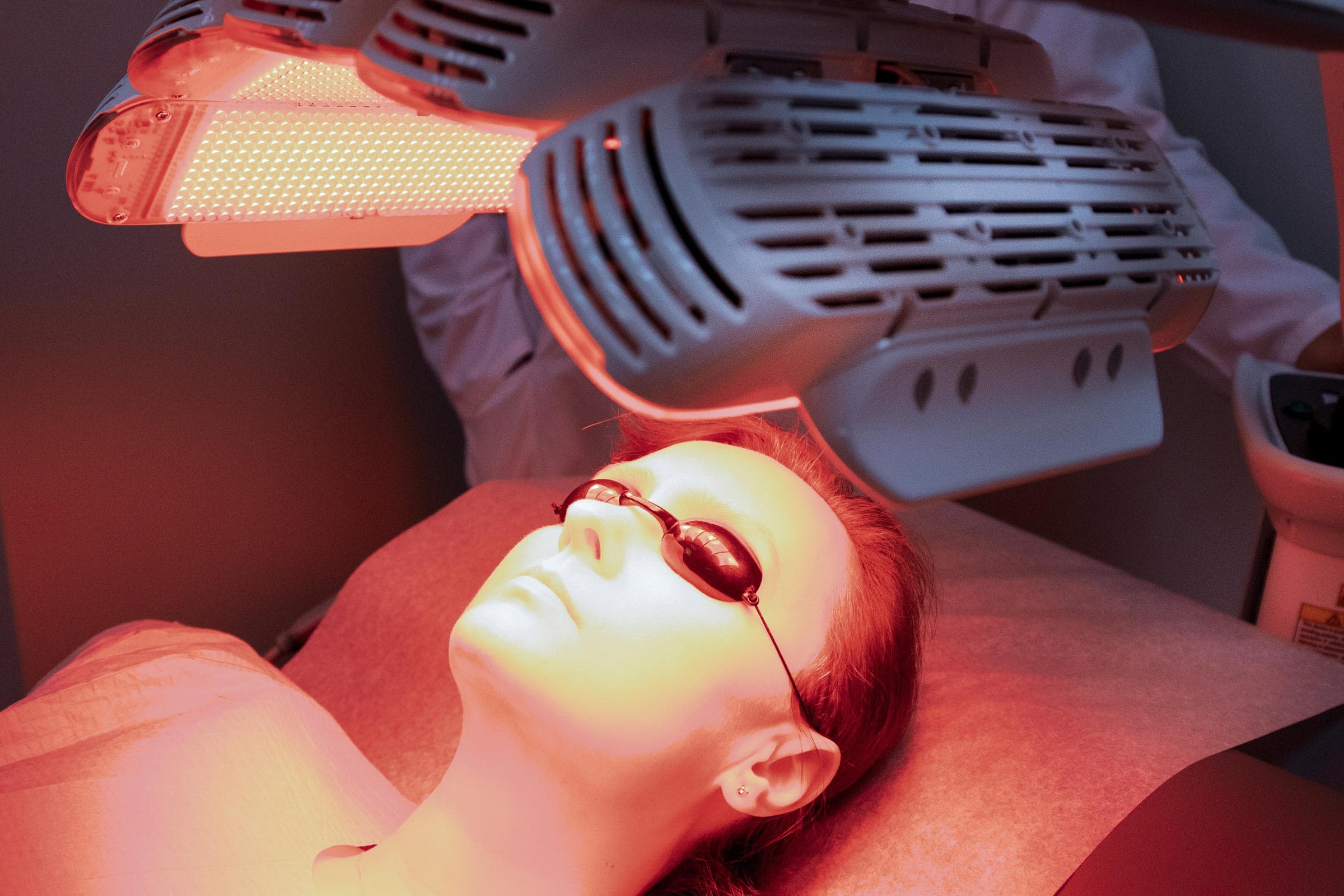
Vascular lasers, such as pulsed dye laser, can be used to reduce redness and improve the texture of hypertrophic scars and keloids. Fractional laser resurfacing may also be employed for atrophic scars, such as those resulting from acne, to stimulate controlled collagen remodelling and improve skin texture.
Surgical excision may be considered for certain scars, particularly when they are large or functionally impairing. For keloid scars, excision carries a risk of recurrence, as the procedure itself may stimulate new keloid formation. For this reason, surgical excision of keloids is typically combined with adjuvant therapies such as intralesional steroid injections, radiation therapy, or pressure garments to reduce the likelihood of recurrence.
Pressure garments and earrings with pressure clips may be used following surgical excision of keloids to reduce the risk of recurrence. Sustained pressure on the healing tissue helps to limit excessive collagen deposition.
Medical evaluation is recommended when a scar continues to grow beyond the boundaries of the original wound, becomes increasingly uncomfortable or itchy, or causes functional limitation or cosmetic concern. Early assessment by a dermatologist allows for timely intervention and a more favourable treatment outcome. Individuals with a personal or family history of keloids should seek evaluation promptly following any significant skin injury to discuss preventive strategies.
Consultation is also advised for older scars that remain bothersome, as newer treatment approaches may offer improvement even for long-standing hypertrophic scars and keloids.
Your feedback helps us improve our condition information
Keep Exploring
Evidence-based articles on related skin, hair, and nail conditions.
A physician referral is required to access our medical services. Contact your primary care provider to begin the referral process.