Clinical Hours: Mon-Fri, 8AM - 3PM(905) 493-5700
1885 Glenanna Road, Suite 220, Pickering, ON, L1V 6R6
Common inflammatory skin condition affecting hair follicles and sebaceous glands, managed with topical and systemic therapies.

Acne vulgaris is one of the most common skin conditions encountered in dermatology practice. It is a chronic inflammatory disorder of the pilosebaceous unit, which comprises the hair follicle and its associated sebaceous (oil-producing) gland. Acne most frequently affects the face, chest, and back, where sebaceous glands are most concentrated.
The condition typically begins during adolescence, coinciding with the hormonal changes of puberty, and affects an estimated 80 to 90 percent of teenagers to some degree. However, acne is not limited to adolescence. Adult-onset acne, particularly in women, is increasingly recognised and may persist into the thirties, forties, or beyond. The psychological impact of acne can be substantial, affecting self-esteem, social interactions, and quality of life.
The pathogenesis of acne involves four key processes that interact to produce the clinical features of the condition:
Additional factors that may contribute to acne or worsen existing disease include:
Acne presents with a range of lesion types that may coexist in the same individual. The condition is broadly categorised into non-inflammatory and inflammatory forms.
Post-inflammatory hyperpigmentation and scarring, including atrophic (depressed) and hypertrophic (raised) scars, may result from moderate to severe acne, particularly when lesions are manipulated or left untreated.
Acne is diagnosed clinically through visual examination by a dermatologist. The type, distribution, and severity of lesions are assessed, and acne is typically graded as mild, moderate, or severe based on the predominant lesion types and their extent. A thorough history is taken to identify potential contributing factors, including medication use, hormonal influences, and family history.
In female patients with signs of hormonal imbalance, such as irregular menstruation, hirsutism, or treatment-resistant acne, hormonal evaluation may be recommended to assess for underlying conditions such as polycystic ovary syndrome.
Treatment is tailored to the type and severity of acne, the patient's skin type, and any previous treatments that have been attempted. A combination of therapies is often employed for optimal results.
Topical retinoids (such as tretinoin, adapalene, and tazarotene) normalise follicular keratinisation and are considered a cornerstone of acne treatment. Benzoyl peroxide has antibacterial and comedolytic properties and is available in various concentrations. Topical antibiotics, most commonly clindamycin or erythromycin, are used in combination with benzoyl peroxide to reduce bacterial colonisation while minimising antibiotic resistance. Azelaic acid provides anti-inflammatory and comedolytic effects and is particularly useful for patients with concurrent post-inflammatory hyperpigmentation.
Oral antibiotics, such as doxycycline, minocycline, or trimethoprim, may be prescribed for moderate to severe inflammatory acne. These are typically used for a defined course of three to six months in combination with topical therapies. Hormonal therapies, including combined oral contraceptives and spironolactone, may be considered for female patients with hormonally driven acne.
Isotretinoin (a systemic retinoid) is reserved for severe, scarring, or treatment-resistant acne. It targets all four pathogenic factors of acne and is the most effective available treatment for severe disease. Isotretinoin requires careful monitoring due to potential side effects and is prescribed under strict medical supervision by a dermatologist.
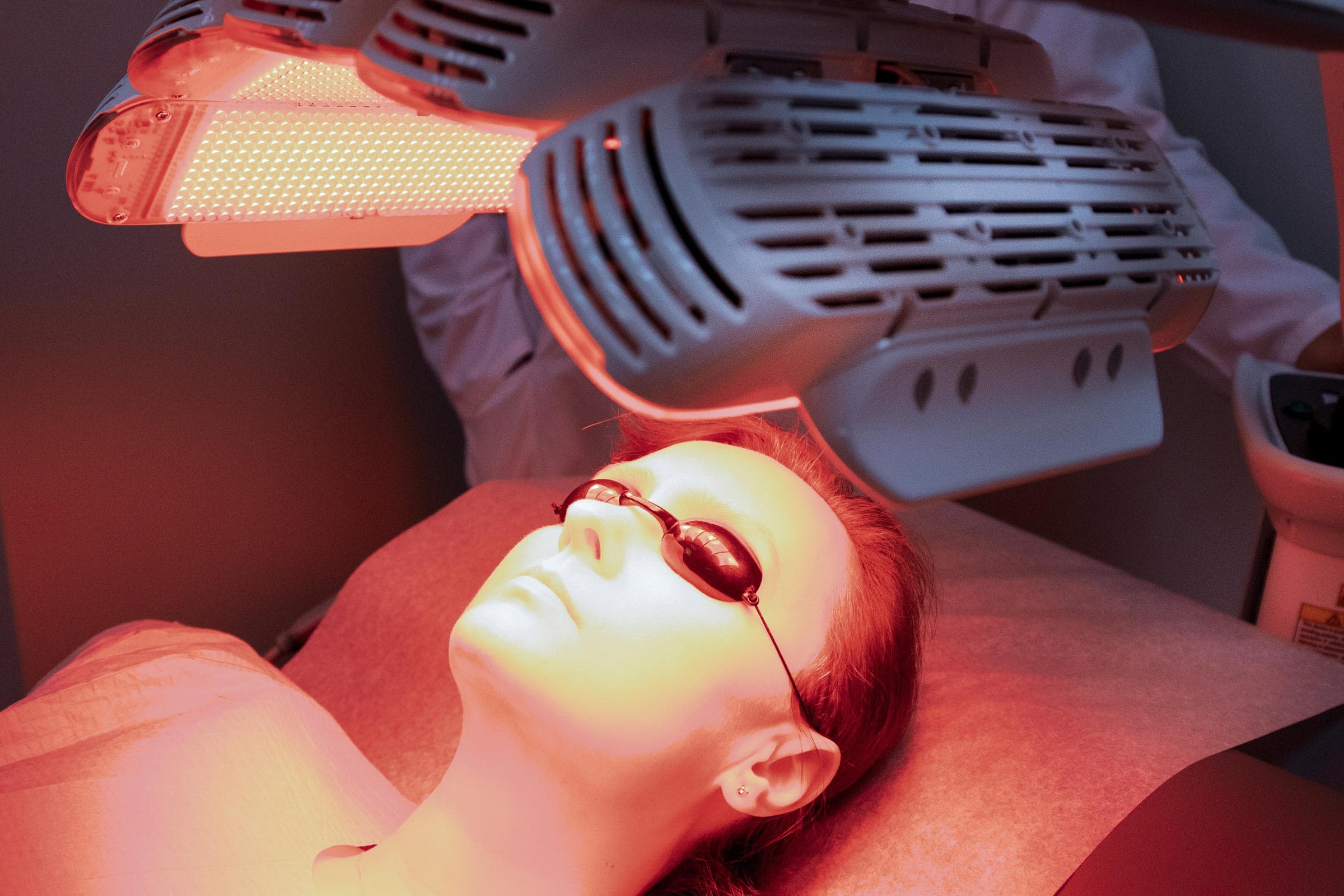
Chemical peels, intralesional corticosteroid injections for individual inflammatory nodules, and light-based therapies may be used as adjunctive treatments. For established acne scarring, treatment options include fractional laser resurfacing, microneedling, and subcision.
A dermatologist should be consulted when acne is moderate to severe, when over-the-counter treatments have not provided adequate improvement after several weeks, when acne is causing scarring or significant post-inflammatory changes, or when the condition is affecting psychological well-being. Early intervention by a dermatologist can prevent permanent scarring and ensure that appropriate treatment is initiated in a timely manner.
Your feedback helps us improve our condition information
Keep Exploring
Evidence-based articles on related skin, hair, and nail conditions.
A physician referral is required to access our medical services. Contact your primary care provider to begin the referral process.