Clinical Hours: Mon-Fri, 8AM - 3PM(905) 493-5700
1885 Glenanna Road, Suite 220, Pickering, ON, L1V 6R6
Rosacea affects millions of Canadians, and spring weather across the Durham Region and GTA can intensify flare-ups. Learn about subtypes and treatment.

Rosacea is a chronic inflammatory skin condition that primarily affects the central face, including the cheeks, nose, chin, and forehead. It is estimated to affect approximately three million Canadians, though many cases remain undiagnosed because early symptoms are often mistaken for general skin sensitivity or occasional flushing.
The condition tends to develop gradually. Initial episodes of facial flushing may progress over months or years into persistent redness, visible blood vessels, and inflammatory papules or pustules. Although rosacea can affect anyone, it is most commonly observed in individuals with fair skin between the ages of 30 and 50.
Rosacea is not caused by poor hygiene and is not contagious. It is a medical condition with a complex underlying pathophysiology involving vascular dysfunction, immune system dysregulation, and skin barrier impairment. Early recognition and treatment are essential for preventing progression and maintaining quality of life.
Rosacea is classified into four recognized subtypes, each with distinct clinical features. More than one subtype may be present in the same individual at any given time.
This is the most common presentation. It is characterized by persistent central facial redness and visible blood vessels (telangiectasia). Flushing episodes may be triggered by environmental factors, emotional stress, or dietary choices. The skin often feels sensitive, and stinging or burning sensations are frequently reported.
Sometimes referred to as "acne rosacea," this subtype involves persistent redness accompanied by red bumps (papules) and pus-filled lesions (pustules). Unlike acne vulgaris, comedones (blackheads and whiteheads) are typically absent. This distinction is important because treatments differ significantly between the two conditions.
Phymatous rosacea involves thickening of the skin and irregular surface texture, most commonly affecting the nose (rhinophyma). This subtype develops gradually over time and is more frequently observed in men. Surgical and laser-based interventions may be considered for advanced cases. Ablative laser treatments can be effective in reshaping affected tissue.
Rosacea can also affect the eyes, causing symptoms such as dryness, irritation, tearing, and a gritty or burning sensation. Eyelid inflammation (blepharitis) and conjunctival redness are common findings. In some cases, ocular symptoms appear before any visible skin changes. A more detailed discussion of this subtype is available in the Ocular Rosacea article.
Rosacea flare-ups are often precipitated by specific environmental, dietary, or lifestyle triggers. Identifying and managing personal triggers is a cornerstone of long-term rosacea control.
The transition from winter to spring across Pickering, Ajax, Whitby, Oshawa, and the broader Durham Region brings fluctuating temperatures, increased sun exposure, and elevated pollen counts. These seasonal shifts are among the most commonly reported rosacea triggers. As outdoor activity increases in March and April, facial skin is exposed to wind and ultraviolet light after months of relative winter protection.
Proactive sun protection, including the daily application of a broad-spectrum SPF 30 or higher sunscreen, is recommended before spending time outdoors. Mineral-based sunscreens containing zinc oxide or titanium dioxide are generally better tolerated by rosacea-prone skin.
Keeping a trigger diary can help identify patterns over time. Not all individuals respond to the same triggers, and personalizing an avoidance strategy is more effective than eliminating all potential factors.
Rosacea is diagnosed clinically based on the pattern and distribution of symptoms. There is no single laboratory test for confirmation. A thorough evaluation by a board-certified dermatologist is important for distinguishing rosacea from other conditions that may look similar, such as seborrheic dermatitis, lupus erythematosus, contact dermatitis, or acne vulgaris.
A dermatology consultation includes a detailed history of symptoms, trigger identification, and a clinical skin examination. Dermoscopy may also be used to evaluate vascular patterns and rule out other diagnoses.
Early diagnosis and intervention can slow the progression of rosacea and significantly reduce the frequency and severity of flare-ups.
Treatment for rosacea is tailored to the subtype, severity, and individual patient factors. A combination of approaches is often used to achieve optimal control.
First-line treatment for mild to moderate rosacea typically involves topical medications. Commonly prescribed agents include metronidazole, azelaic acid, and ivermectin, each targeting inflammation and reducing papulopustular lesions. Brimonidine gel may be used to manage persistent facial erythema through temporary vasoconstriction. Topical and systemic prescriptions are coordinated through the clinic's prescription management services.
For moderate to severe cases, oral antibiotics such as low-dose doxycycline may be prescribed. At sub-antimicrobial doses, doxycycline provides anti-inflammatory benefits without contributing to antibiotic resistance. In refractory papulopustular rosacea, oral isotretinoin may be considered under close clinical supervision.
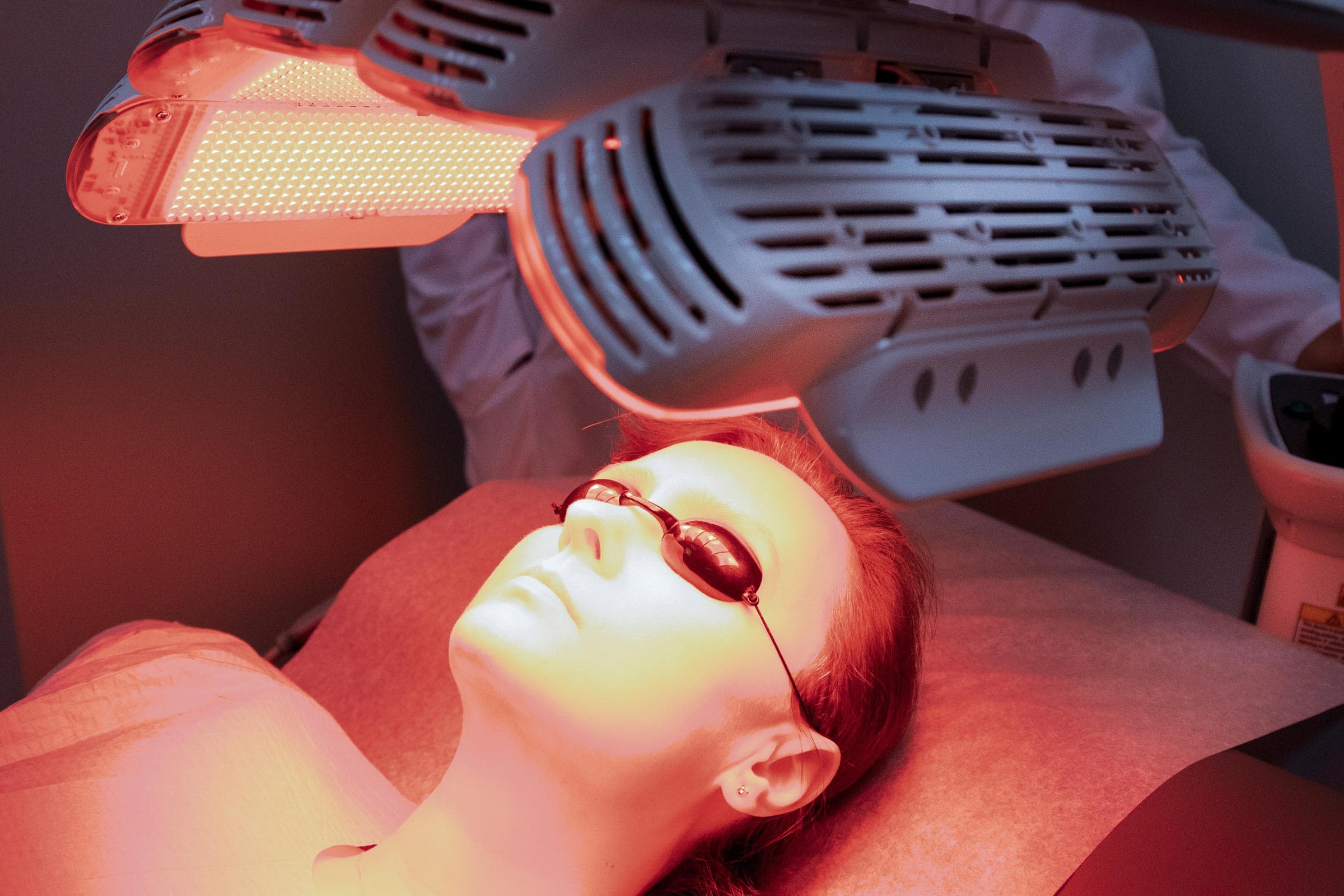
Visible blood vessels and persistent background redness that do not respond adequately to topical or oral therapy can be addressed with light-based procedures. IPL (Intense Pulsed Light) therapy targets hemoglobin in dilated blood vessels, reducing redness and telangiectasia over a series of sessions. For more extensive vascular changes, laser treatments offer additional precision and efficacy.
Chemical resurfacing may also play a supportive role in improving overall skin texture and tone for patients with rosacea-related skin changes.
Rosacea is a chronic condition, but with proper management it can be well controlled. Many patients experience significant improvement in symptoms and quality of life through a combination of medical treatment, trigger avoidance, and a consistent skincare routine.
Regular follow-up appointments allow treatment plans to be adjusted as the condition evolves. Seasonal reassessment is particularly valuable, as trigger exposure patterns change throughout the year.
The psychological impact of rosacea should not be underestimated. Visible facial redness and skin changes can affect self-confidence and social comfort. Acknowledging the emotional dimension of the condition is an important part of comprehensive care.
The Centre for Medical and Surgical Dermatology, located at 1885 Glenanna Road, Suite 220 in Pickering, Ontario, provides comprehensive evaluation and treatment for all subtypes and severities of rosacea. Services are covered by OHIP with a physician referral, and patients are accepted from across the Durham Region and Greater Toronto Area.
From initial dermatology consultation through to advanced IPL and laser-based procedures, individualized treatment plans are developed under the supervision of Dr. Maksym Breslavets, MD, PhD, FRCPC, FAAD. For patients in Pickering, Ajax, Whitby, Oshawa, Scarborough, and the surrounding communities, specialized dermatologic care is available close to home.
Your feedback helps us improve our news and clinical insights
From medical dermatology to surgical procedures, our clinic provides comprehensive care for all skin, hair, and nail conditions.