Clinical Hours: Mon-Fri, 8AM - 3PM(905) 493-5700
1885 Glenanna Road, Suite 220, Pickering, ON, L1V 6R6
Stretch marks (striae) are linear bands caused by rapid skin stretching. Procedural dermatology treatments can improve their appearance.
Stretch marks, known medically as striae distensae, are a common form of dermal scarring that appears as linear bands on the skin surface. They develop when the skin is stretched rapidly beyond its elastic capacity, causing disruption of the connective tissue within the dermis. Stretch marks affect a significant proportion of the population and are particularly prevalent during pregnancy, adolescent growth spurts, and periods of rapid weight change.
Stretch marks progress through two recognized clinical stages. In the early phase, known as striae rubrae, the marks appear red to purple in colour and may be slightly raised or inflamed. Over time, they transition to the mature phase, known as striae albae, in which the marks become pale, white, or silvery and develop a flattened, atrophic texture. While stretch marks are not medically harmful, they can be a significant cosmetic concern for many individuals.
Stretch marks result from mechanical stretching of the skin combined with hormonal influences that alter the structural integrity of dermal connective tissue. The primary mechanism involves disruption and thinning of collagen and elastin fibres in the dermis, leading to the characteristic scarred appearance.
Common risk factors include:
Stretch marks present as linear, band-like lesions that follow the lines of skin tension. Their appearance evolves over time:
The most commonly affected areas include the abdomen, breasts, hips, buttocks, thighs, and upper arms. Stretch marks are typically bilateral and symmetrical. While they are painless and do not pose a medical risk, the cosmetic impact can be significant for affected individuals.
Stretch marks are diagnosed clinically based on their characteristic appearance and distribution. A thorough medical history, including recent weight changes, pregnancy, medication use, and family history, supports the clinical assessment. A skin biopsy is not typically required. In rare cases where stretch marks appear without an identifiable cause, further investigation may be warranted to exclude underlying endocrine disorders such as Cushing syndrome.
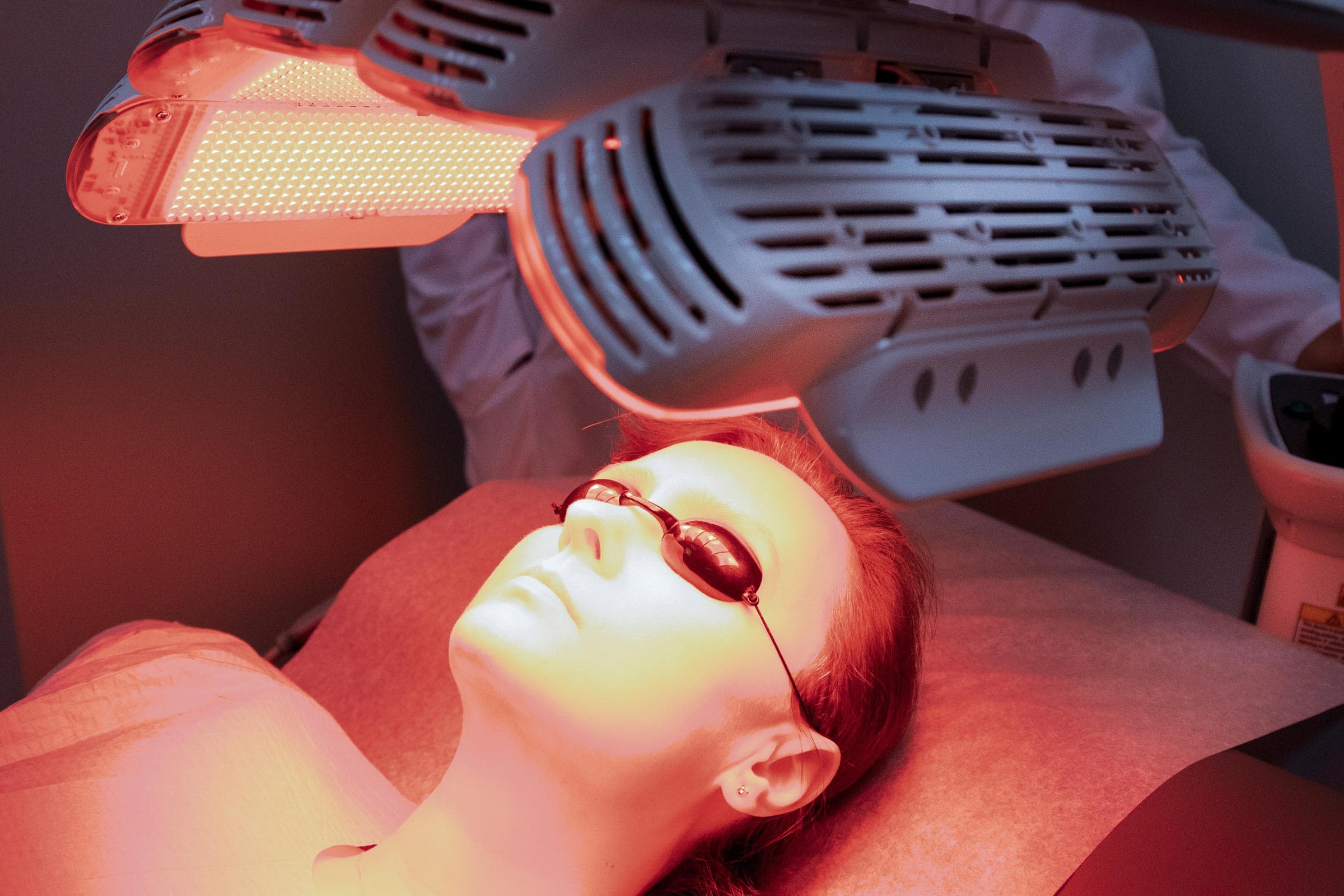
While stretch marks cannot be completely eliminated, several procedural dermatology treatments can significantly improve their appearance by stimulating collagen remodelling and promoting skin renewal. Treatment is most effective during the striae rubrae phase, when the marks are still active and vascularized. Multiple treatment sessions are typically required, and combination approaches may produce superior results.
Collagen induction therapy, also known as microneedling, creates controlled micro-injuries in the skin using fine needles. This process triggers the natural wound-healing response, stimulating the production of new collagen and elastin within the dermis. The treatment is well-suited for stretch marks, as it promotes dermal remodelling without significant damage to the epidermis. Multiple sessions are typically recommended to achieve optimal improvement in texture and appearance.
Ablative and non-ablative laser treatments are effective options for improving the appearance of stretch marks. Fractional ablative lasers, such as CO2 lasers, create microscopic columns of thermal injury in the dermis, stimulating collagen remodelling and skin resurfacing. Non-ablative lasers target the dermis without disrupting the epidermal surface, offering a treatment option with minimal downtime. Pulsed dye lasers may be particularly effective for striae rubrae, as they target the vascular component of early stretch marks.
High intensity radiofrequency devices deliver controlled thermal energy into the dermis, stimulating collagen contraction and neocollagenesis. Microneedling radiofrequency combines the benefits of mechanical microneedling with radiofrequency energy delivery at precise dermal depths. This combination approach is particularly effective for improving the texture and firmness of skin affected by stretch marks.
Chemical resurfacing involves the application of chemical solutions to remove damaged skin layers and promote cell turnover. Medium-depth chemical peels can improve the texture and colour of stretch marks by stimulating dermal collagen production. Chemical resurfacing may be used as a standalone treatment or in combination with other procedural modalities for enhanced results.
Although stretch marks are not a medical concern, individuals who are troubled by their appearance may benefit from a professional assessment to discuss treatment options. Early intervention during the striae rubrae phase typically yields the best results, as the marks are more responsive to treatment before they mature into striae albae. A consultation request can be submitted to discuss procedural treatment options for stretch marks at the Centre for Medical and Surgical Dermatology with Dr. Maksym Breslavets.
Stretch marks that develop without an identifiable cause, such as in the absence of weight change, pregnancy, or medication use, should be evaluated by a physician to rule out underlying medical conditions.
Your feedback helps us improve our condition information
Keep Exploring
Evidence-based articles on related skin, hair, and nail conditions.
A physician referral is required to access our medical services. Contact your primary care provider to begin the referral process.