Clinical Hours: Mon-Fri, 8AM - 3PM(905) 493-5700
1885 Glenanna Road, Suite 220, Pickering, ON, L1V 6R6
Prurigo nodularis is a chronic skin condition characterised by intensely pruritic, firm nodules resulting from a persistent itch-scratch cycle.
Prurigo nodularis is a chronic inflammatory skin condition characterised by the development of firm, dome-shaped, intensely pruritic nodules. The condition arises from a self-perpetuating itch-scratch cycle in which chronic scratching or rubbing leads to thickened, nodular skin lesions that themselves generate further itch. This cycle can be extremely difficult to interrupt without targeted treatment.
Prurigo nodularis can affect individuals of any age but is more commonly seen in middle-aged and older adults. The condition has a significant impact on quality of life, with severe pruritus frequently disrupting sleep, concentration, and daily functioning. Advances in the understanding of the neuroimmune pathways underlying prurigo nodularis have led to the development of new biologic therapies that have substantially improved treatment outcomes.
The pathogenesis of prurigo nodularis involves a complex interplay between the immune system, peripheral nerves, and the skin barrier. Neural sensitisation plays a central role, with increased density and hyperactivity of cutaneous nerve fibres contributing to the intense pruritus. Elevated levels of inflammatory mediators, including interleukin-4, interleukin-13, and interleukin-31, drive both the itch and the fibrotic changes observed in established nodules.
Prurigo nodularis is frequently associated with underlying conditions that contribute to chronic pruritus. These include:
Psychological stress and habitual scratching behaviour can further perpetuate the itch-scratch cycle, even in the absence of an identifiable systemic cause.
The characteristic lesion of prurigo nodularis is a firm, dome-shaped nodule ranging from several millimetres to two or three centimetres in diameter. Lesions are typically symmetrically distributed on easily accessible areas of the body, particularly the extensor surfaces of the arms and legs, the trunk, and the upper back. The central scalp, mid-back, and areas difficult to reach are characteristically spared (the so-called butterfly sign). Key clinical features include:
The diagnosis of prurigo nodularis is generally made on clinical grounds, based on the characteristic appearance and distribution of the nodular lesions along with the history of chronic pruritus. A skin biopsy may be performed to confirm the diagnosis and to exclude other conditions in the differential, including hypertrophic lichen planus, keratoacanthoma, and cutaneous lymphoma. Histopathological findings typically show irregular epidermal hyperplasia, thickened dermal collagen, and increased dermal nerve fibre density.
A thorough systemic evaluation is important to identify potential underlying causes of chronic pruritus. Routine bloodwork may include a complete blood count, renal and hepatic function panels, thyroid function tests, and screening for HIV and hepatitis when clinically indicated. Identification and treatment of an underlying systemic condition can be an essential component of breaking the itch-scratch cycle.
The management of prurigo nodularis requires a multimodal approach targeting both the underlying itch and the established nodular lesions. Treatment of any identified systemic cause of pruritus is an important first step. A combination of topical, procedural, and systemic therapies is often required.
High-potency topical corticosteroids are frequently used as a first-line topical treatment to reduce inflammation and pruritus within individual nodules. Topical calcineurin inhibitors (tacrolimus, pimecrolimus) may be used as steroid-sparing alternatives, particularly for sensitive areas. Topical menthol and capsaicin preparations can provide symptomatic itch relief through counter-irritation and desensitisation of peripheral nerve fibres.
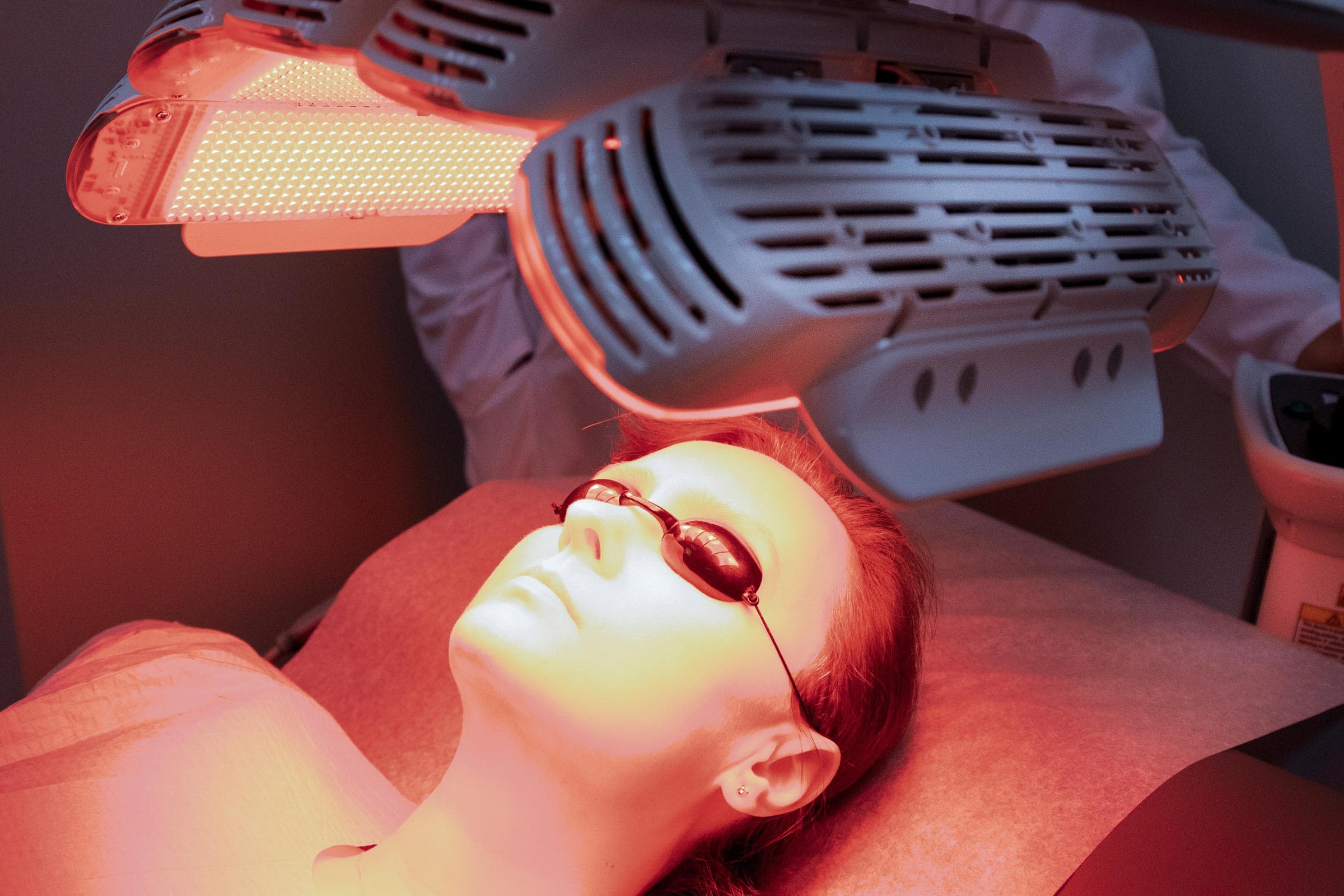
Phototherapy with narrowband UVB is a well-established treatment option for prurigo nodularis. Ultraviolet light has immunomodulatory and antipruritic effects that can reduce both the itch and the inflammatory component of the disease. Regular sessions over several weeks to months are typically required to achieve a meaningful clinical response.
Dupilumab, a monoclonal antibody targeting interleukin-4 and interleukin-13, has been approved for the treatment of prurigo nodularis and represents a significant advance in the management of this condition. Nemolizumab, targeting interleukin-31, is another biologic agent that has shown efficacy in clinical trials and is emerging as an additional treatment option. These therapies are available through the biologic and advanced small molecule therapy programme at the Centre for Medical and Surgical Dermatology.
Traditional systemic immunosuppressants, including methotrexate, ciclosporin, and thalidomide, may be considered for severe or refractory cases. Gabapentinoids (gabapentin, pregabalin) can be helpful in managing the neuropathic component of pruritus. All systemic medications require regular monitoring through a structured prescription management programme.
For isolated, resistant nodules, intralesional corticosteroid injections can be highly effective in reducing the size, thickness, and pruritus of individual lesions. This approach is particularly useful as an adjunct to systemic therapy when a limited number of nodules remain refractory.
Medical attention should be sought when persistent, intensely itchy nodules develop on the skin, particularly if the itch is severe enough to disrupt sleep or daily activities. Early evaluation is important to identify any underlying systemic cause of pruritus and to initiate appropriate treatment before the itch-scratch cycle becomes deeply established.
A referral from a family physician or walk-in clinic is the standard pathway to access dermatology services. Dr. Maksym Breslavets at the Centre for Medical and Surgical Dermatology offers comprehensive assessment and treatment of prurigo nodularis, including biologic therapy, phototherapy, and intralesional procedures.
Your feedback helps us improve our condition information
Keep Exploring
Evidence-based articles on related skin, hair, and nail conditions.
A physician referral is required to access our medical services. Contact your primary care provider to begin the referral process.