Clinical Hours: Mon-Fri, 8AM - 3PM(905) 493-5700
1885 Glenanna Road, Suite 220, Pickering, ON, L1V 6R6
Common inflammatory disease with red scaly plaques; options range from topical therapies and phototherapy to biologic medications.

Psoriasis is a chronic inflammatory skin condition characterised by the presence of well-defined, red, and scaly plaques. This skin disorder affects approximately 2 to 4% of the global population regardless of gender. While it can emerge at any age, there are distinct peaks of onset between ages 15 to 25 and 50 to 60, making psoriasis a condition that endures a lifetime while varying in severity and extent during different periods. Approximately one-third of individuals diagnosed with psoriasis have a family history of the condition.
Psoriasis is classified as an immune-mediated inflammatory disease (IMID), driven by multifactorial influences in which genetics play a central role. Genome-wide association studies have established an association between the histocompatibility complex HLA-C*06:02 (formerly known as HLA-Cw6) and early-onset and guttate psoriasis. This genetic marker is not linked to arthritis, late-onset psoriasis, or nail dystrophy.
The clinical features of psoriasis are attributed to immune factors and inflammatory cytokines, such as IL1-beta and TNF-alpha. The TH17 pathway and the cytokine IL-17A are now recognised as central drivers of psoriasis pathogenesis, with multiple approved biologic therapies targeting IL-17 in clinical use.
Several factors can trigger or worsen the onset of psoriasis. These include:
Psoriasis typically manifests as red and scaly plaques with well-defined edges and symmetric distribution across the skin. The scales are usually silvery white, but in skin folds they take on a shiny appearance with a moist, peeling surface. The most commonly affected areas include the scalp, elbows, and knees, although psoriasis can affect any part of the body. Without appropriate treatment, plaques tend to become persistent and cause ongoing discomfort.
Although mild itching is reported in most patients, some may experience more severe itching that results in excessive scratching and lichenification, causing the skin to thicken and become leathery with an increase in skin markings. Painful skin cracks or fissures may also develop.
Upon resolution of psoriatic plaques, pale or brown marks may be left behind; these are generally expected to fade over several months.
Diagnosing and assessing psoriasis involves a thorough physical examination and a comprehensive patient history. The impact of psoriasis on daily life activities is evaluated, along with comorbid factors. Key clinical features are considered in determining the most appropriate investigations and treatment approach, as overlaps between subtypes may occur.
Relevant features include:
Mild psoriasis is typically managed with prescribed topical agents tailored to the affected body site, extent, and severity of the condition. For moderate to severe psoriasis, systemic agents such as methotrexate are commonly employed, often in combination with phototherapy. When the disease does not respond adequately to these measures, biologic therapies and targeted oral small molecules can be considered through the Immune-Mediated Skin Disease Program at the Centre for Medical and Surgical Dermatology.
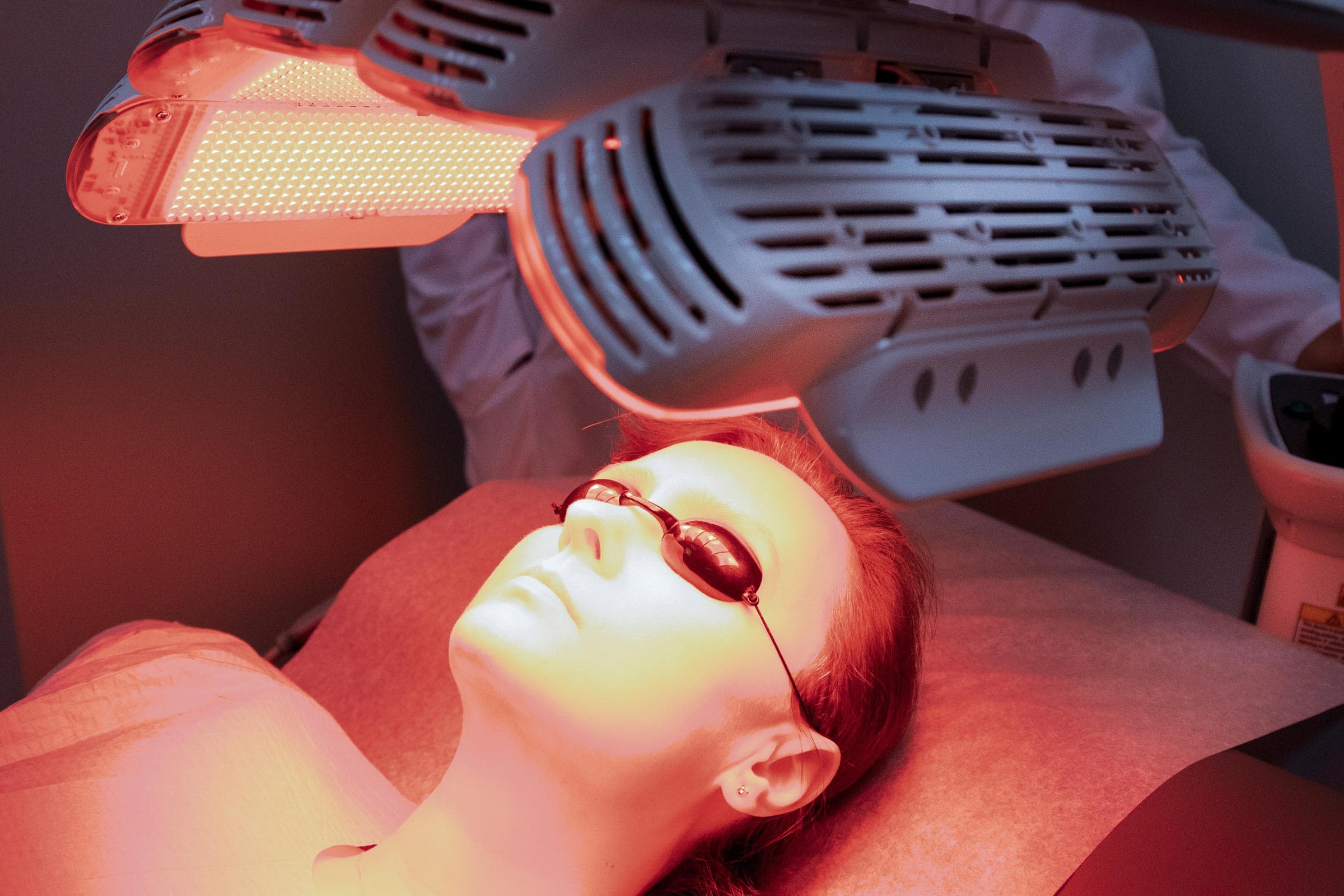
Phototherapy is one of the established treatment modalities for moderate to severe psoriasis. Information about phototherapy treatment is available through the Centre for Medical and Surgical Dermatology.
A range of personalised treatment methods is offered at the Centre for Medical and Surgical Dermatology, with the approach determined by the clinical features, disease severity, and individual patient circumstances assessed by Dr. Maksym Breslavets.
Your feedback helps us improve our condition information
Keep Exploring
Evidence-based articles on related skin, hair, and nail conditions.
A physician referral is required to access our medical services. Contact your primary care provider to begin the referral process.