Clinical Hours: Mon-Fri, 8AM - 3PM(905) 493-5700
1885 Glenanna Road, Suite 220, Pickering, ON, L1V 6R6
Polymorphous light eruption is the most common photodermatosis, causing an itchy rash on sun-exposed skin, typically in spring and early summer.
Polymorphous light eruption (PLE), also known as polymorphic light eruption, is the most common photodermatosis (sun-sensitivity disorder). It is characterised by a recurrent, pruritic (itchy) eruption on sun-exposed skin that develops within hours to days following ultraviolet (UV) radiation exposure, particularly in spring and early summer.
PLE is estimated to affect 10% to 20% of the general population, making it a very common condition. It is more prevalent in northern latitudes, where populations experience less consistent UV exposure throughout the year, and is therefore particularly relevant to patients in Canada. The condition predominantly affects women, with onset most commonly occurring in the second and third decades of life. A hallmark feature of PLE is the "hardening" phenomenon, whereby repeated sun exposure over the course of summer leads to a reduction in symptoms as the skin develops tolerance to UV radiation.
PLE is thought to represent a delayed-type (type IV) hypersensitivity reaction to a UV-induced neoantigen in the skin. Under normal circumstances, UV exposure triggers local immunosuppression that prevents such reactions. In individuals with PLE, this UV-induced immunosuppression is impaired, allowing an immune response to develop against the altered skin antigen.
Factors associated with PLE include:
PLE is not related to sunburn, although both conditions are triggered by UV exposure. It is not contagious and does not increase the risk of skin cancer.
The term "polymorphous" reflects the variable clinical appearance of the eruption between different individuals. However, the morphology tends to be consistent in the same individual from episode to episode. The eruption typically develops within hours to one or two days after UV exposure and resolves without scarring over one to two weeks if further sun exposure is avoided.
Common clinical presentations include:
The eruption characteristically affects sun-exposed sites while sparing habitually exposed areas such as the face and dorsal hands, which have already developed tolerance. Commonly affected areas include the V of the chest, upper arms, forearms, and lower legs. In some patients, the face and hands may be involved, particularly early in the season. Symptoms tend to be most severe in spring and early summer, with progressive improvement over the summer months as the hardening effect develops.
PLE is diagnosed primarily on clinical grounds, based on the characteristic history of a recurrent, pruritic eruption on sun-exposed skin developing after UV exposure, with onset in spring or early summer and improvement as the season progresses. The clinical history is often sufficient for diagnosis.
Phototesting (controlled UV exposure in a clinical setting) may be performed in diagnostically challenging cases to reproduce the eruption. A skin biopsy is not routinely required but may be performed to exclude other photodermatoses, revealing a perivascular lymphocytic infiltrate with papillary dermal oedema.
The differential diagnosis includes cutaneous lupus (which may present with photosensitive eruptions but tends to be more persistent, with serological abnormalities), solar urticaria (which develops within minutes of UV exposure and resolves within hours), drug-induced photosensitivity (associated with specific medications), and photoallergic contact dermatitis. Blood tests including antinuclear antibody (ANA) and extractable nuclear antigen (ENA) panels may be performed to exclude lupus erythematosus in clinically ambiguous cases.
Management of PLE involves a combination of UV protection, symptomatic treatment of acute episodes, and prophylactic measures for patients with severe or recurrent disease.
Strict UV protection is the cornerstone of PLE management. Broad-spectrum sunscreens with high UVA protection should be applied generously to all exposed skin before anticipated sun exposure. Protective clothing, including wide-brimmed hats and long sleeves, and avoidance of peak UV hours (typically 10:00 a.m. to 4:00 p.m.) are recommended. Gradual, incremental sun exposure early in the season may help induce the natural hardening effect.
Acute episodes are managed with topical corticosteroids (moderate to high potency) applied to the affected areas to reduce inflammation and pruritus. Oral antihistamines may provide symptomatic relief of itching. A short course of oral corticosteroids may be considered for severe, widespread episodes. These treatments are coordinated through a structured prescription management programme.
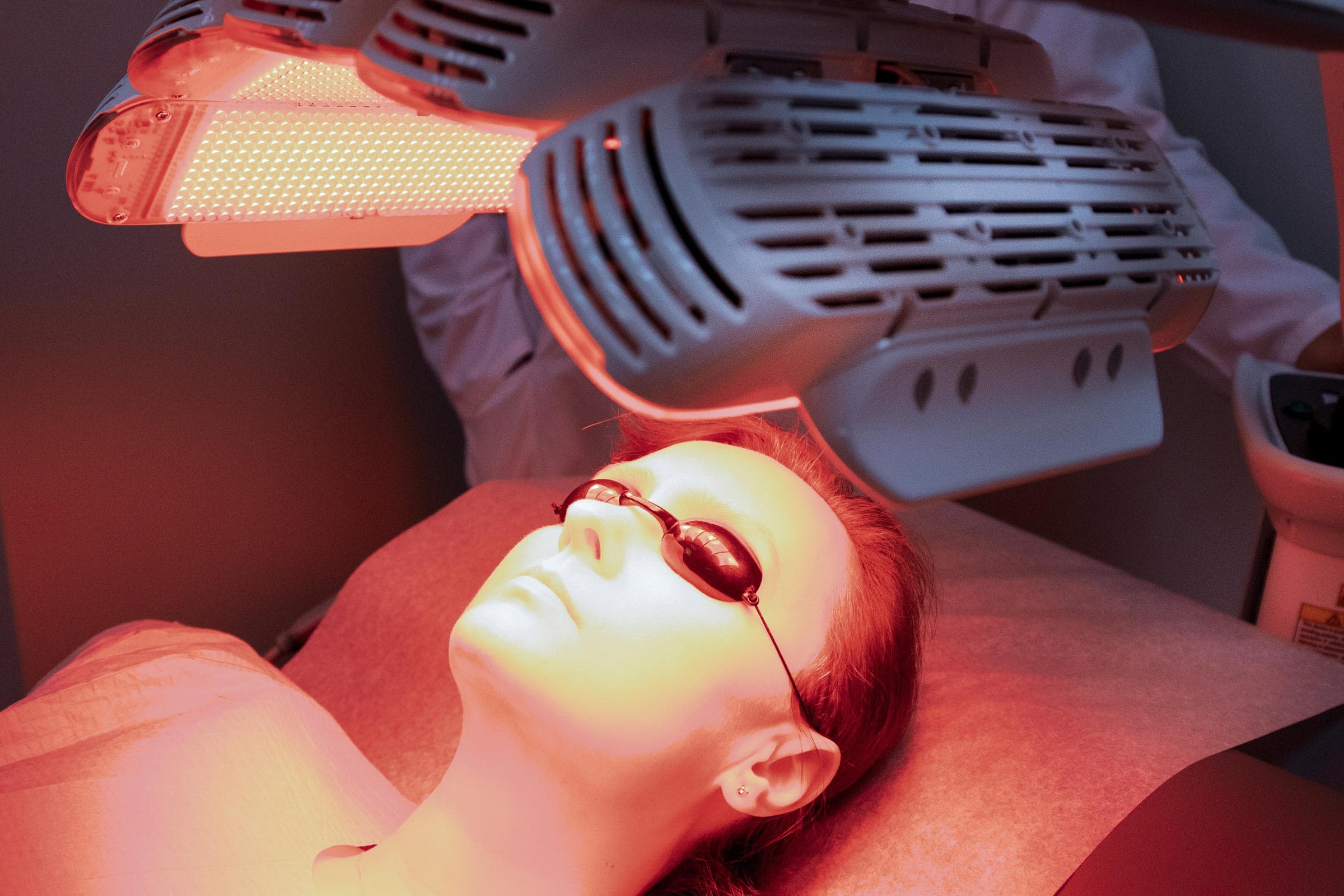
For patients with severe or recurrent PLE that significantly impairs quality of life, prophylactic narrowband UVB phototherapy administered in early spring is an effective preventive strategy. A course of gradually increasing UV doses over several weeks induces the hardening effect artificially, providing protection for the upcoming sun season. This approach can significantly reduce the frequency and severity of PLE episodes throughout the summer months.
Hydroxychloroquine may be prescribed as a prophylactic agent for patients with severe PLE who do not respond adequately to phototherapy or photoprotection alone. It is typically started several weeks before the expected onset of the PLE season. Oral antioxidants (such as nicotinamide and beta-carotene) have been investigated as adjunctive prophylactic measures, although evidence for their efficacy is limited.
Dermatological assessment is recommended for any recurrent sun-triggered eruption to confirm the diagnosis and exclude other photodermatoses, particularly cutaneous lupus erythematosus. Evaluation is particularly important when the eruption is severe, widespread, persistent beyond two weeks, or associated with other symptoms such as joint pain, fatigue, or oral ulcers. Patients whose symptoms significantly affect their ability to participate in outdoor activities may benefit from specialist evaluation to discuss prophylactic treatment options.
A referral from a family physician is the standard pathway to access specialist dermatology care. Dr. Maksym Breslavets at the Centre for Medical and Surgical Dermatology provides specialist evaluation and management of polymorphous light eruption, including phototesting, prophylactic phototherapy programmes, and individualised treatment planning.
Your feedback helps us improve our condition information
Keep Exploring
Evidence-based articles on related skin, hair, and nail conditions.
A physician referral is required to access our medical services. Contact your primary care provider to begin the referral process.