Clinical Hours: Mon-Fri, 8AM - 3PM(905) 493-5700
1885 Glenanna Road, Suite 220, Pickering, ON, L1V 6R6
Inflammatory skin reactions identified by type and managed with appropriate therapy.

Atopic dermatitis refers to a chronic and intensely itchy skin condition that is more prevalent in children but can occur at any age. It is also known as eczema and atopic eczema.
People with atopic dermatitis often exhibit the "atopic tendency", which means that all or some of the following conditions are present: atopic dermatitis, hay fever (allergic rhinitis), and asthma. These conditions also have genetic components and may run in families, as a parent, sibling, or child may also be affected. A family history of eczema, asthma, and hay fever can be particularly helpful in diagnosing atopic dermatitis in infants.
Atopic dermatitis varies in appearance between individuals. From time to time, the majority of individuals with this condition experience acute flares characterised by red, inflamed patches that are sometimes accompanied by blisters. Between flares, skin may appear normal or may be affected by chronic eczema in the form of dry, thick, and itchy areas.
In infants younger than one year of age, eczema is distributed widely across the body. The skin appears dry, scaly, and red, with small scratch marks caused by the infant's nails. The cheeks are typically the first area to be affected. The napkin area is usually unaffected due to moisture retention from nappies.
In toddlers and pre-schoolers, eczema becomes more localised and thickened. It tends to affect the outer side of joints, particularly the elbows, wrists, knees, and ankles. As the child becomes older, eczema begins to affect the flexor surfaces of joints, with less involvement of extensor surfaces. Affected skin becomes dry and thickened as a result of constant rubbing and scratching.
School-age children exhibit a flexural pattern of eczema, with the elbow and knee creases most commonly affected. Other susceptible areas may include the neck, scalp, eyelids, and earlobes. This age group may also develop recurrent acute itchy blisters on the fingers, palms, and feet. In most cases, eczema tends to improve with age and may clear during the teenage years; however, the barrier function of the skin is never entirely restored to normal.
Adults with atopic dermatitis exhibit various patterns of eczema. Their skin is often drier in comparison with affected children. Localised eczema commonly occurs on the hands, eyelids, and flexural areas. Atopic dermatitis is a significant contributor to occupational irritant contact dermatitis, which typically affects hands that are frequently exposed to solvents, detergents, and water. Adults with hand dermatitis often present with dry, thickened skin and blisters.
Atopic dermatitis affects approximately 15 to 20 percent of children. The onset typically occurs before two years of age, with worsening between two and four years of age, followed by a tendency to improve over time.
Certain occupations involving domestic duties, hairdressing, farming, and cleaning are sources of exposure to various irritants and allergens that can aggravate atopic dermatitis. A family history of eczema, asthma, and hay fever is considered a significant risk factor.
Diagnosis of atopic dermatitis is based on clinical presentation and patient history, including a family history of atopic conditions. Patch testing is recommended to identify sources of exposure to specific irritants or allergens, particularly in individuals whose condition is aggravated by occupational or environmental factors.
Treatment of atopic dermatitis can extend over several months to years. General measures include reduction of exposure to trigger factors where possible, frequent application of moisturisers, and use of topical steroids as prescribed by a dermatologist. Prescription management of topical and systemic therapies is available at the Centre for Medical and Surgical Dermatology.
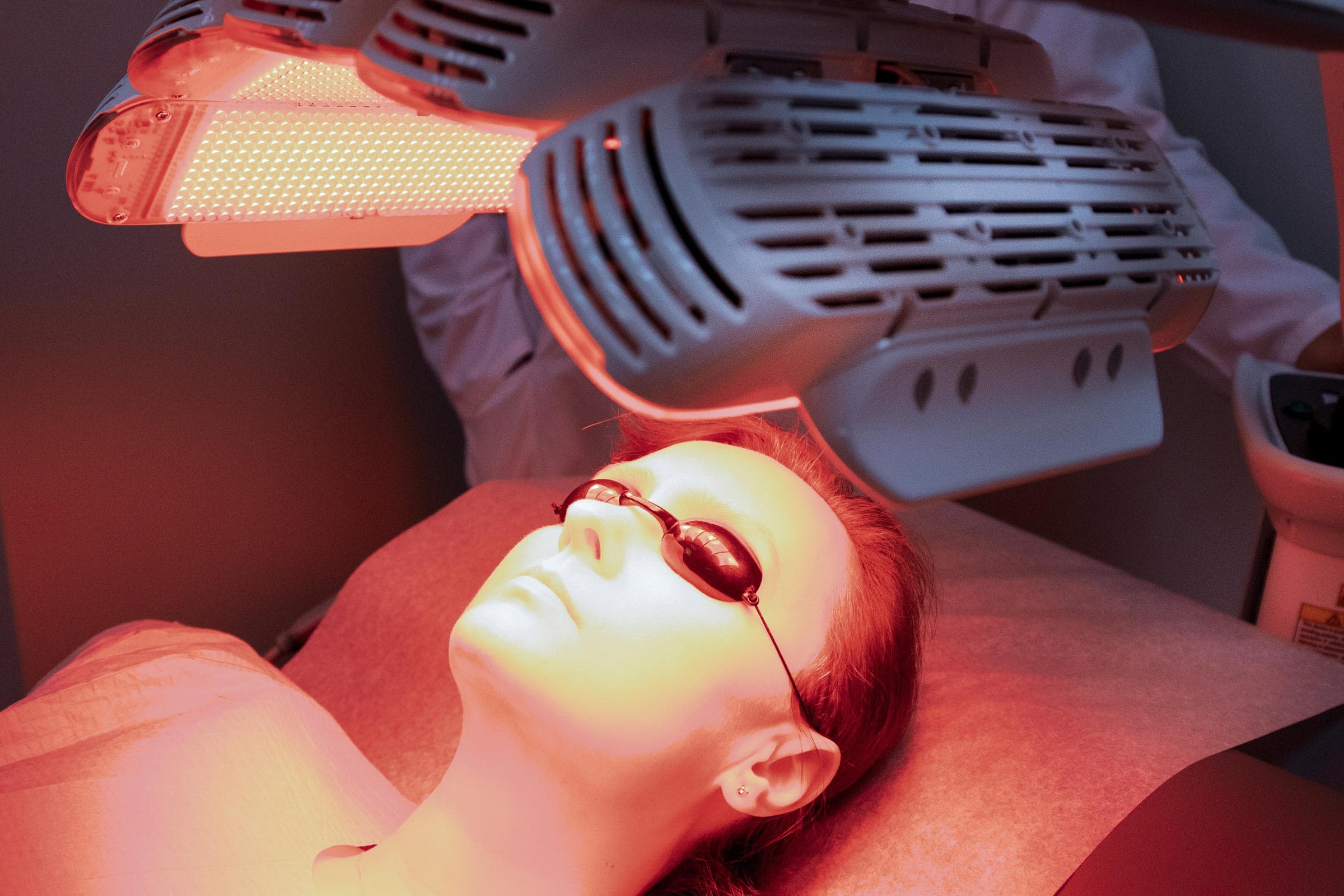
In some cases, management of atopic dermatitis may include the following options:
Medical attention should be sought when eczema symptoms are severe, persistent, or interfering with daily activities or sleep. It is also advisable to consult a dermatologist when over-the-counter treatments are not providing adequate relief, when symptoms are worsening despite treatment, or when an infection is suspected. Individuals whose condition may be related to occupational exposures are encouraged to discuss patch testing with a qualified dermatologist.
Your feedback helps us improve our condition information
Keep Exploring
Evidence-based articles on related skin, hair, and nail conditions.
A physician referral is required to access our medical services. Contact your primary care provider to begin the referral process.