Clinical Hours: Mon-Fri, 8AM - 3PM(905) 493-5700
1885 Glenanna Road, Suite 220, Pickering, ON, L1V 6R6
Vesicular hand and foot dermatitis is a form of eczema characterised by deep-seated blisters on the palms and soles, affecting young adults and triggered by multiple factors.

Vesicular hand dermatitis is a form of hand eczema characterised by vesicles or blisters. A similar condition can also affect feet and is called vesicular foot dermatitis.
Vesicular hand and foot dermatitis mainly affects young adults. It is more common in females than males. Personal or family history of atopic dermatitis or atopic eczema is found in 50% of reported cases.
Vesicular hand and foot dermatitis is regarded as multifactorial. In many cases, it is triggered by sweating, as outbursts occur during humid conditions and hot weather. Other contributing factors include contact with irritants such as detergents, water, and friction; genetics; and adverse reactions to drugs. Association with contact allergy to nickel and other allergens can also trigger this condition.
This skin condition appears as recurrent crops of deep-seated blisters on the palms and soles. Intense itch or a burning sensation may be experienced. With time, blisters begin to peel off, leaving the skin red, dry, and with painful cracks (fissures).
The clinical features of vesicular hand and foot dermatitis are very typical. Patch testing is performed in chronic or atypical cases. Other forms of hand dermatitis should be considered in differential diagnoses.
The treatment process is quite challenging, as traditional topical therapy is not an effective method due to the thick horny layer of the skin on palms and soles.
Several general measures help to reduce this type of dermatitis. Regular application of wet dressings with dilute potassium permanganate or acetic acid helps to dry up blisters. Cold packs, soothing emollient creams and lotions, and potent antiperspirants are recommended for the reduction of discomfort.
Protective gloves are recommended for wet or dirty work. Contact with irritants such as detergents, solvents, and water should be avoided as much as possible to prevent allergic contact dermatitis. Well-fitting footwear worn with two pairs of socks is advised to absorb sweat and reduce friction.
Short courses of systemic corticosteroids, usually prednisolone and prednisone, may be prescribed for flare-ups. Ultrapotent topical corticosteroid creams are often applied to new blisters, while ointments are applied during the inflamed dry phase. In severe cases, immune-modulating medicines, predominately methotrexate, ciclosporin, and azathioprine, are prescribed.
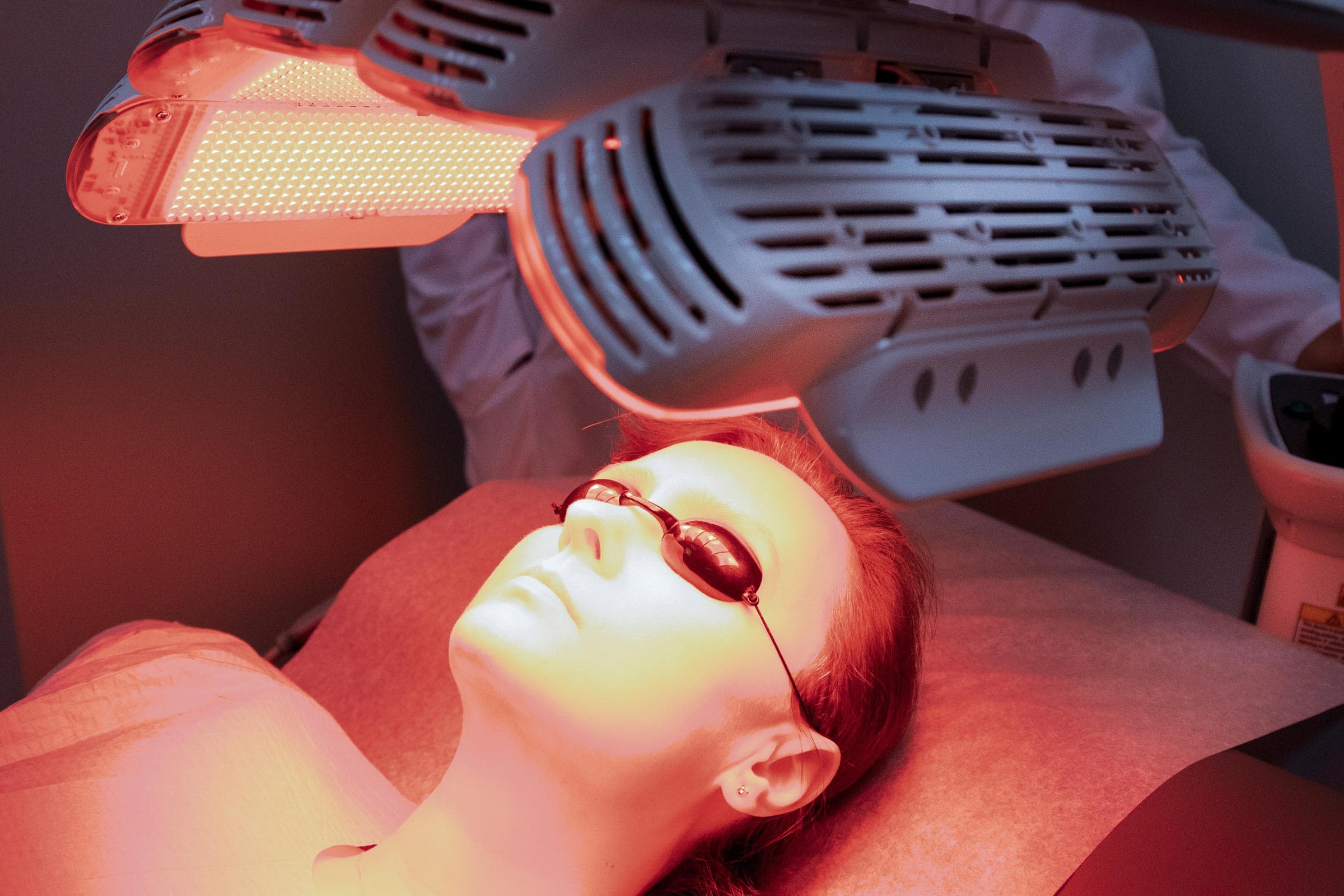
Other treatment options include botulinum toxin injections to prevent sweating and phototherapy.
Vesicular hand and foot dermatitis gradually declines and resolves spontaneously. It can recur in hot weather or after a period of stress.
Your feedback helps us improve our news and clinical insights
From medical dermatology to surgical procedures, our clinic provides comprehensive care for all skin, hair, and nail conditions.