Clinical Hours: Mon-Fri, 8AM - 3PM(905) 493-5700
1885 Glenanna Road, Suite 220, Pickering, ON, L1V 6R6
Vitiligo causes well-defined white patches due to melanocyte loss. Treatment options range from topical therapies and phototherapy to targeted laser approaches.

Vitiligo is an acquired skin disorder characterised by the loss of melanocytes, the pigment-producing cells of the skin. It presents as well-defined milky-white patches that develop due to the absence of melanin. Vitiligo commonly affects exposed areas such as the face, neck, nostrils, eyelids, fingertips, and toes. It may also occur in body folds including the armpits and groin. In addition, vitiligo frequently develops at sites of skin injury, such as cuts, scrapes, acne lesions, sunburns, and thermal burns, a phenomenon known as the Koebner response.
The treatment of vitiligo can be challenging, and results may vary among individuals. Repigmentation therapy tends to be most successful on the face and trunk, while the hands, feet, and areas with white hair often respond less effectively. Newly formed patches generally respond better to treatment than longstanding areas of depigmentation.
General preventive measures focus on minimising skin trauma and protecting against ultraviolet exposure. Wearing protective clothing, avoiding peak sunlight hours, and applying broad-spectrum SPF 50+ sunscreen are strongly recommended. Depigmented skin is highly susceptible to sunburn, which may trigger further spread of vitiligo. Additionally, tanning of unaffected skin increases contrast, making vitiligo patches more noticeable.
Topical treatments are commonly used as first-line therapy. Corticosteroid creams may be applied to affected areas of the trunk and limbs for limited periods, typically up to three months, to reduce inflammation and promote repigmentation. Potent steroids should be avoided on thin-skinned regions such as the face, neck, and armpits due to potential side effects.
Topical calcineurin inhibitors are often preferred for sensitive areas including the eyelids, face, neck, and skin folds, as they provide anti-inflammatory effects without the long-term risks associated with corticosteroids. New advanced treatments such as topical JAK inhibitors show very promising results.
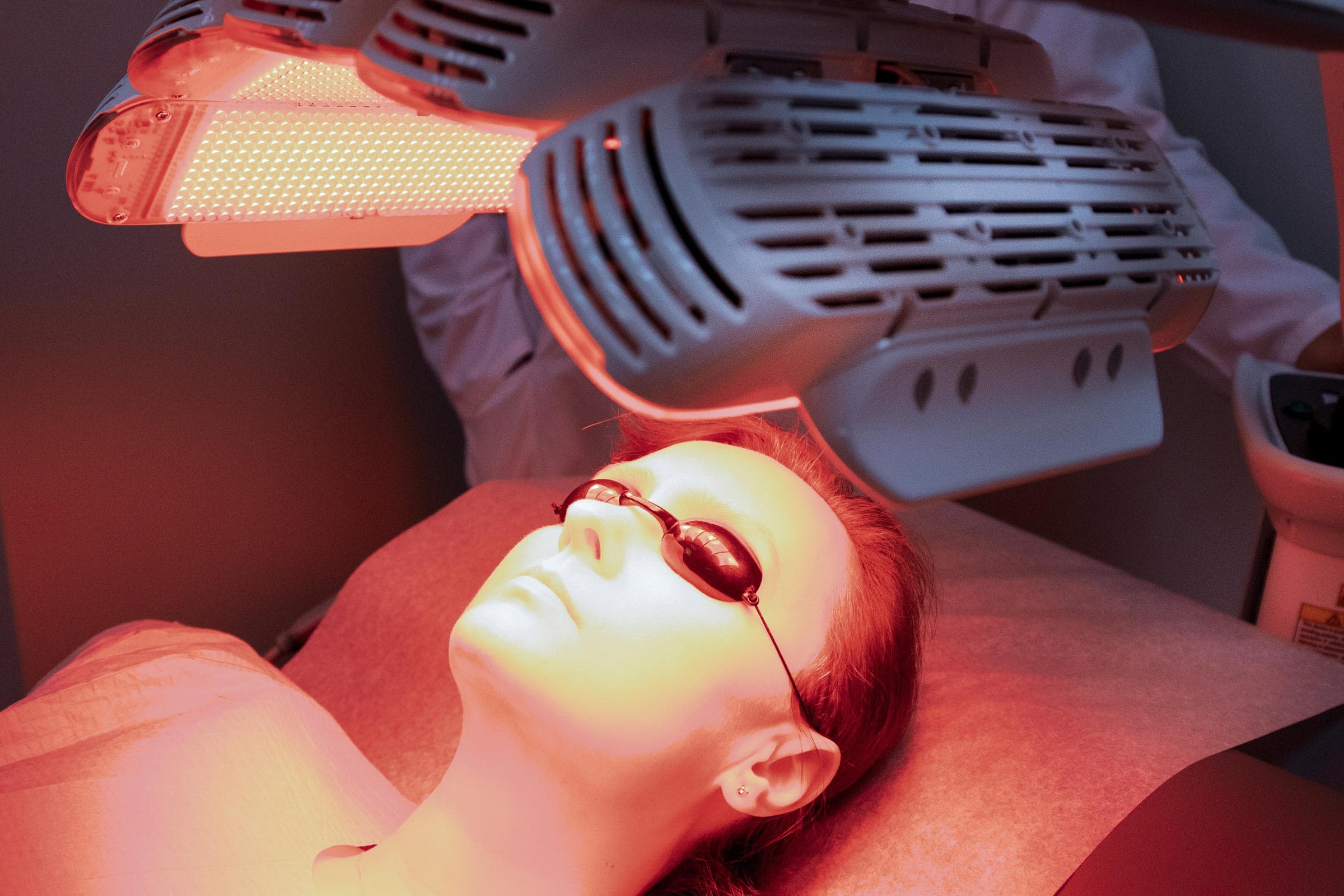
Phototherapy is an effective treatment option for many patients with vitiligo. This approach uses controlled ultraviolet radiation to suppress the immune response that damages melanocytes and to stimulate cytokines and growth factors that encourage repigmentation. Treatment is typically administered two to three times per week for several months, and if repigmentation occurs, therapy may continue for up to one to two years for optimal results.
Targeted laser therapy or focused phototherapy may also be used for small, localised areas of vitiligo to promote pigment restoration.
Your feedback helps us improve our news and clinical insights
From medical dermatology to surgical procedures, our clinic provides comprehensive care for all skin, hair, and nail conditions.