Clinical Hours: Mon-Fri, 8AM - 3PM(905) 493-5700
1885 Glenanna Road, Suite 220, Pickering, ON, L1V 6R6
An overview of treatment options for discoid eczema, including emollients, topical steroids, antibiotics, phototherapy, and systemic therapies for severe cases.

Discoid eczema, also termed nummular dermatitis, is a common type of eczema/dermatitis presented by well-defined, scattered, coin-shaped, and coin-sized plaques of eczema.
In a previous article, the causes, prevalence, clinical features, diagnosis, and brief treatment options for discoid eczema were discussed.
Since discoid eczema is associated with the loss of skin barrier function, it is highly recommended to follow these key steps: protecting the skin from injury, applying emollients on a regular basis, and avoiding allergens.
Discoid eczema often begins with minor skin injuries. For this reason, skin protection is needed. For instance, if the hands are affected, it is highly recommended to wear gloves and use tools to help the skin avoid irritation that can be caused by friction, solvents, detergents, other chemicals, or excessive water.
The application of emollients can be achieved through bath oils, moisturising creams, and soap substitutes used during handwashing. Emollients may be applied to affected sites as frequently as required to relieve dryness, itching, and scaling, and should also be applied to unaffected areas to reduce dryness. Glycerin and cetomacrogol cream, white soft paraffin, and wool fat lotions are commonly found to be helpful and effective emollients.
If a contact allergy has been identified by patch testing, exposure to that allergen should be avoided.
Anti-inflammatory treatments consist of topical steroids and/or antibiotics.
Topical steroids are anti-inflammatory creams or ointments that must be prescribed by a dermatologist. They are applied to affected areas once or twice daily for two to four weeks. Topical steroids help to reduce symptoms and clear dermatitis.
Antibiotics, such as erythromycin and flucloxacillin, are prescribed if dermatitis is crusted, sticky, or blistered. In some cases, discoid eczema can completely clear with oral antibiotics but may recur once the course of antibiotics is discontinued.
In cases of severe discoid eczema, the following treatment options may be offered: oral antihistamines, ultraviolet (UV) treatment, steroid injections, oral steroids, and other oral treatments.
Antihistamine pills can help to reduce itching in some cases of discoid eczema; however, they do not clear the rash.
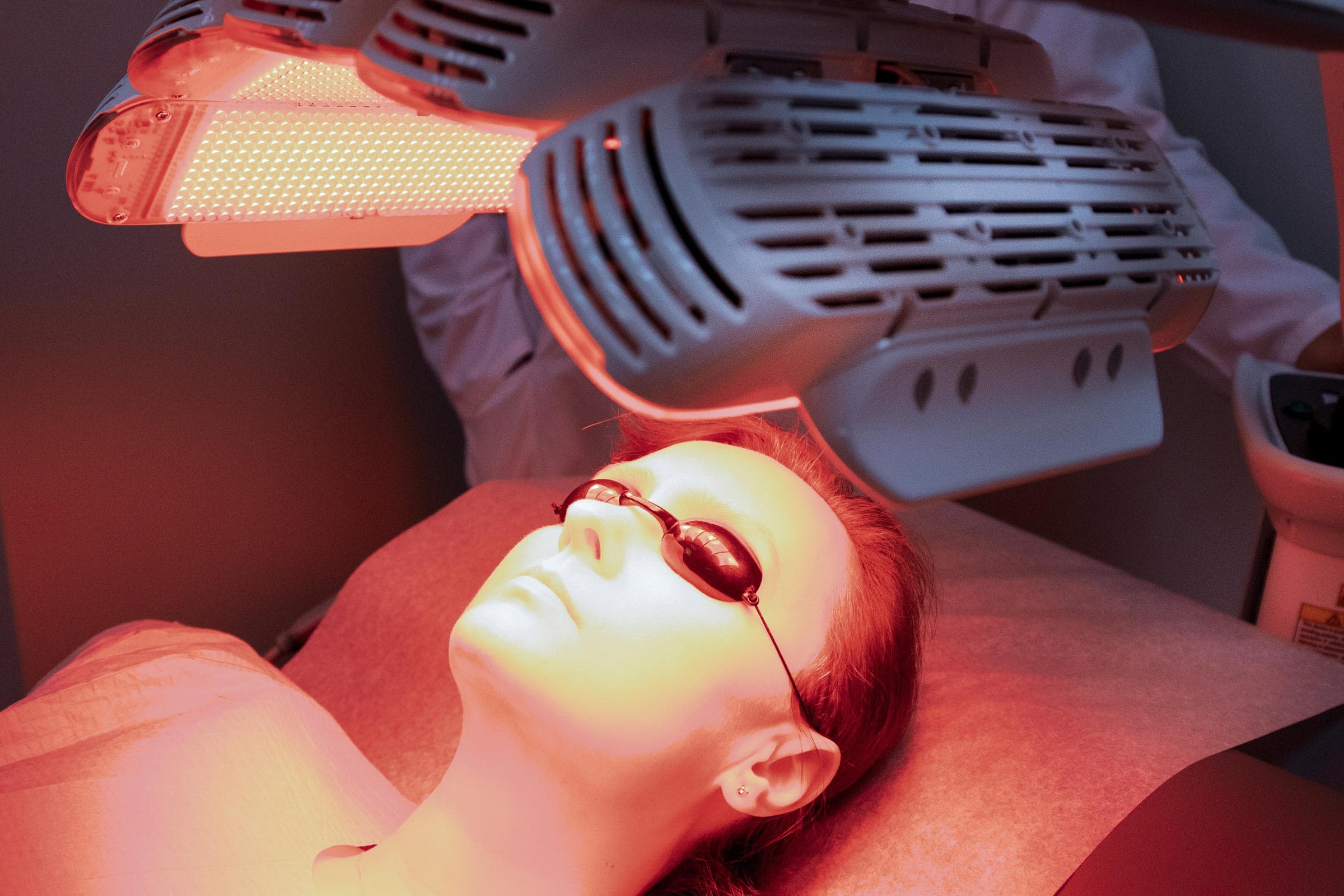
Phototherapy treatment sessions may be prescribed for a course of six to twelve weeks for generalised or widespread discoid eczema. This treatment helps to reduce itching and improve the rash.
Intralesional steroids may be injected into a few stubborn areas of discoid eczema, though this occurs quite rarely. This treatment is not suitable for multiple lesions.
Systemic steroids are recommended only for severe and extensive cases of discoid eczema. They are usually prescribed for a few weeks before continuing topical steroids and emollients on residual dermatitis.
Persistent and troublesome cases of discoid eczema are treated with ciclosporin, methotrexate, or azathioprine. These medications must be carefully monitored by a specialist dermatologist and may be more suitable in comparison with long-term systemic steroids.
Discoid eczema can transition into a chronic condition that often relapses during cold winter months. Many cases tend to resolve with time.
Your feedback helps us improve our news and clinical insights
From medical dermatology to surgical procedures, our clinic provides comprehensive care for all skin, hair, and nail conditions.