Clinical Hours: Mon-Fri, 8AM - 3PM(905) 493-5700
1885 Glenanna Road, Suite 220, Pickering, ON, L1V 6R6
An overview of psoriasis management strategies, from topical therapies and phototherapy to systemic agents and biologic treatments for moderate to severe disease.

Psoriasis is a chronic, immune-mediated skin condition that affects millions worldwide, manifesting as red, scaly plaques caused by the rapid proliferation of skin cells. While psoriasis is not contagious, it can have a profound impact on quality of life due to its chronic nature, visible symptoms, and association with other health conditions such as psoriatic arthritis, cardiovascular disease, and metabolic syndrome. Different forms of psoriasis exist, including chronic plaque psoriasis, guttate psoriasis, flexural psoriasis, palmoplantar psoriasis, and nail psoriasis. Each type presents unique challenges, making individualised care essential.
Although there is no definitive cure for psoriasis, a wide range of therapies can provide significant relief and long-term control of symptoms. The choice of treatment depends on factors such as the type of psoriasis, the severity of the disease, the areas of the body affected, the presence of comorbid conditions, and patient preferences. Some patients may achieve control with simple topical regimens, while others require advanced therapies such as biologics or phototherapy. Treatment approaches may also be rotated or combined to maximise effectiveness and minimise side effects.
At its foundation, psoriasis management begins with identifying and minimising potential triggers. Infections, skin trauma, stress, smoking, alcohol consumption, and certain medications such as lithium or beta-blockers can worsen the condition. Addressing comorbidities like obesity, diabetes, and hypertension is equally important, as metabolic syndrome is strongly linked to psoriasis severity.
Lifestyle modification is a cornerstone of effective psoriasis treatment. Many patients report improvement with stress reduction techniques, smoking cessation, and moderation of alcohol intake. Sunlight exposure may improve psoriasis for some individuals, but excessive sun exposure carries the risk of triggering new lesions through the Koebner phenomenon, as well as premature skin ageing and increased risk of skin cancer. Gentle skincare, including the daily use of emollients and moisturisers, helps reduce scaling and irritation while improving comfort. Warm baths with bath oils or soap substitutes can soften plaques, while occlusive dressings applied over localised patches can enhance the penetration of topical therapies.
Research has also explored the relationship between psoriasis and the gut microbiome, though probiotics have not shown consistent benefits. While complementary practices such as balneotherapy in mineral-rich springs are popular in some regions, scientific evidence supporting their effectiveness remains limited.
For mild to moderate psoriasis, topical treatments remain the first-line approach. Emollients form the foundation of topical care, as they reduce dryness and scaling while improving skin hydration. Keratolytic agents such as salicylic acid or urea may be added to help remove thick scales. Topical corticosteroids are among the most commonly prescribed agents, offering rapid relief from inflammation and itching. These steroids are available in different potencies, ranging from mild formulations suitable for delicate areas such as the face and flexures, to very potent preparations needed for the thick skin of the palms and soles.
Steroids may be combined with vitamin D analogues such as calcipotriol, which slow excessive skin cell turnover. These combinations are often highly effective for plaque psoriasis. However, prolonged use of potent steroids carries risks such as skin thinning, striae, or worsening of psoriasis, so they must be used under medical supervision. Tar-based treatments, although effective, are less commonly prescribed today due to their strong odour and tendency to stain. Other topical agents, including calcineurin inhibitors and retinoids like tazarotene, may be used in sensitive areas or resistant plaques.
New topical agents, such as roflumilast (a PDE4 inhibitor) and tapinarof (a novel aryl hydrocarbon receptor agonist), represent recent advances in treatment, offering effective alternatives with a favourable safety profile.
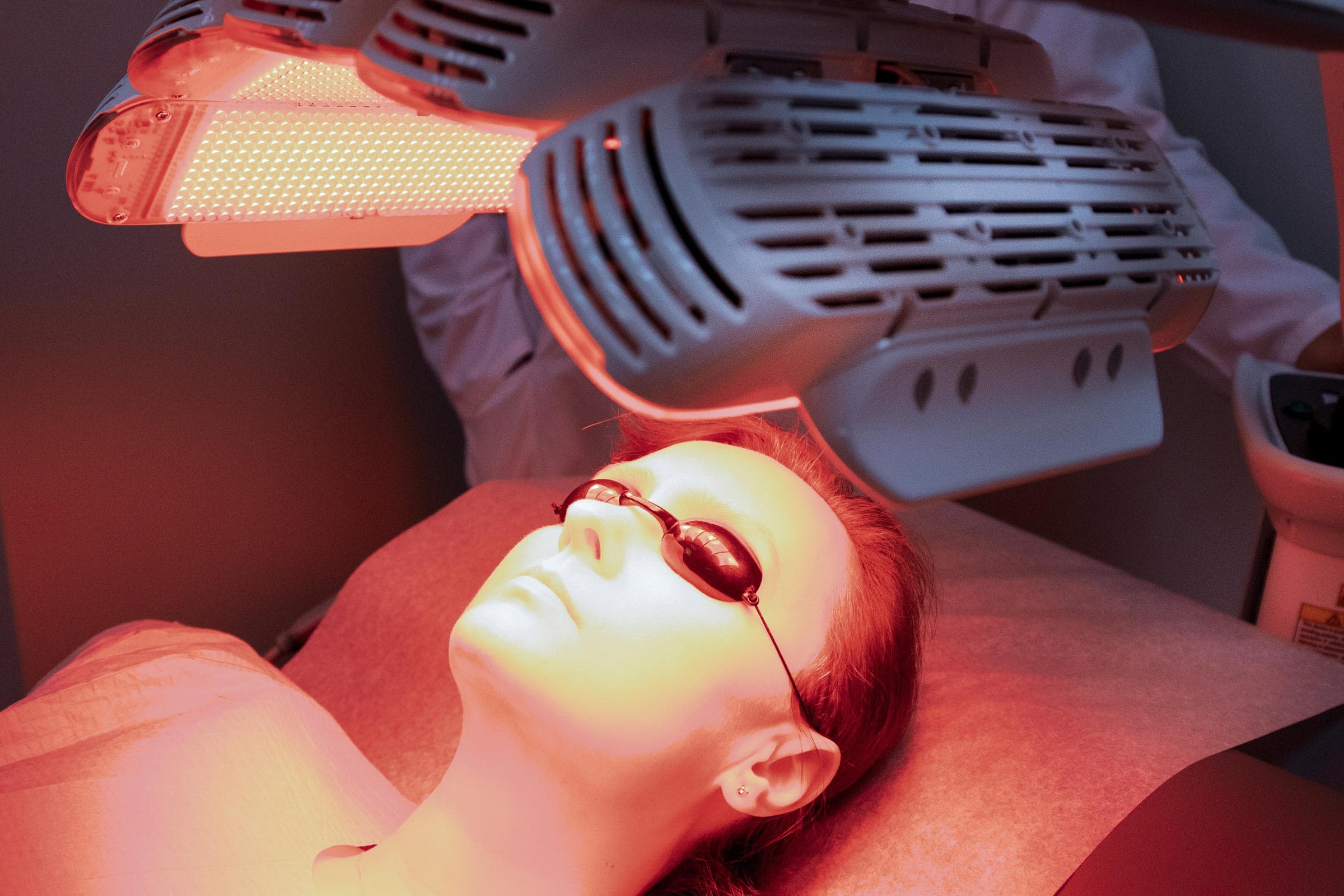
Phototherapy is an important treatment option for moderate to severe psoriasis or for patients with widespread involvement. Narrowband UVB therapy, which uses specific wavelengths of light, is particularly effective for guttate and plaque psoriasis. It is generally well tolerated and safe, even in pregnancy, though supplementation with folic acid is advised. Phototherapy usually involves two to three sessions per week over several months. PUVA, a treatment that combines psoralen medication with UVA light, may also be used in more resistant cases, though it carries a higher risk of long-term side effects such as skin cancer.
The accessibility of phototherapy is an important factor, as regular attendance is required. At CMSD in Pickering, patients benefit from convenient access to phototherapy services under the guidance of a dermatology specialist, ensuring safe and effective use.
When psoriasis is severe, significantly impacts daily life, or fails to respond to topical or phototherapy treatments, systemic medications may be necessary. Traditional agents such as methotrexate, ciclosporin, and acitretin are effective but require regular monitoring for potential side effects. Methotrexate is often used long-term and is effective for both psoriasis and psoriatic arthritis. Ciclosporin, a rapid-acting immunosuppressant, is typically prescribed for short courses in severe cases. Acitretin, a retinoid, is particularly useful for palmoplantar psoriasis but is not suitable for women of childbearing age due to its teratogenic effects.
Newer oral medications such as apremilast, a PDE4 inhibitor, offer an alternative with fewer monitoring requirements. Fumaric acid esters, commonly used in Europe, have also shown efficacy, though they are less available in Canada.
Biologic therapies have transformed the treatment landscape for psoriasis. These targeted agents, administered by injection, work by blocking specific immune pathways responsible for inflammation. TNF-alpha inhibitors, IL-17 inhibitors, and IL-23 inhibitors are now widely used for moderate to severe psoriasis, often producing dramatic improvement in skin clearance and quality of life. Biologics are particularly valuable for patients with psoriatic arthritis, offering relief from both skin and joint symptoms.
Treatment with biologics is the most advanced treatment option and may include modification of different pathways involved in the development of psoriasis.
Although biologics are highly effective, they are expensive and require careful monitoring due to their effects on the immune system. At CMSD, patients are assessed carefully to determine whether biologic therapy is appropriate, with treatment tailored to their individual health profile and goals.
Psoriasis is a lifelong condition that can pose challenges to physical comfort and self-confidence, but modern treatments offer effective solutions. With the right approach, patients can achieve clear or nearly clear skin, reduce flare-ups, and improve their overall well-being.
Your feedback helps us improve our news and clinical insights
From medical dermatology to surgical procedures, our clinic provides comprehensive care for all skin, hair, and nail conditions.