Clinical Hours: Mon-Fri, 8AM - 3PM(905) 493-5700
1885 Glenanna Road, Suite 220, Pickering, ON, L1V 6R6
Solar lentigo is a benign, UV-induced skin lesion characterised by hyperpigmentation. Learn about its appearance, diagnosis, treatment options, and prevention.

Solar lentigo, often referred to as a sunspot, age spot, or senile freckle, is a benign skin lesion that appears as a result of long-term exposure to ultraviolet (UV) radiation. This common pigmentary change in the skin is characterised by an increase in melanocyte activity and subsequent accumulation of melanin within the keratinocytes, leading to visible areas of hyperpigmentation. Though harmless, solar lentigines often serve as markers of chronic sun damage, particularly in individuals over the age of 40.
These lesions typically present as flat, clearly defined patches on the skin. Their shape can be round, oval, or irregular, and they vary in colour from light tan to dark brown or even black. Some may exhibit a slightly scaly surface. The size of a solar lentigo can range from just a few millimetres to several centimetres in diameter. Most often, they occur in clusters on areas of the body that have had significant sun exposure over time, such as the face, shoulders, and the backs of the hands. While solar lentigines can affect individuals of all skin tones, they are especially prevalent and more numerous in those with fair complexions.
Clinicians typically diagnose solar lentigo based on its clinical appearance. However, when a lesion appears irregular or atypical, distinguishing it from malignant melanoma can pose a diagnostic challenge. In such cases, the term "atypical solar lentigo" may be used. To aid diagnosis, dermatoscopy is often employed, offering enhanced visualisation of the lesion's structure. When uncertainty remains, a skin biopsy may be necessary to obtain a definitive diagnosis through histological evaluation.
Solar lentigines may sometimes undergo further changes. One such transformation involves the development of seborrhoeic keratoses within the original lentigo, resulting in localised thickening and textural changes. In other instances, the lentigo may become inflamed, leading to what is known as a lichenoid keratosis or lichen planus-like keratosis. These inflamed variants often exhibit a specific inflammatory pattern under microscopic examination and may gradually resolve on their own.
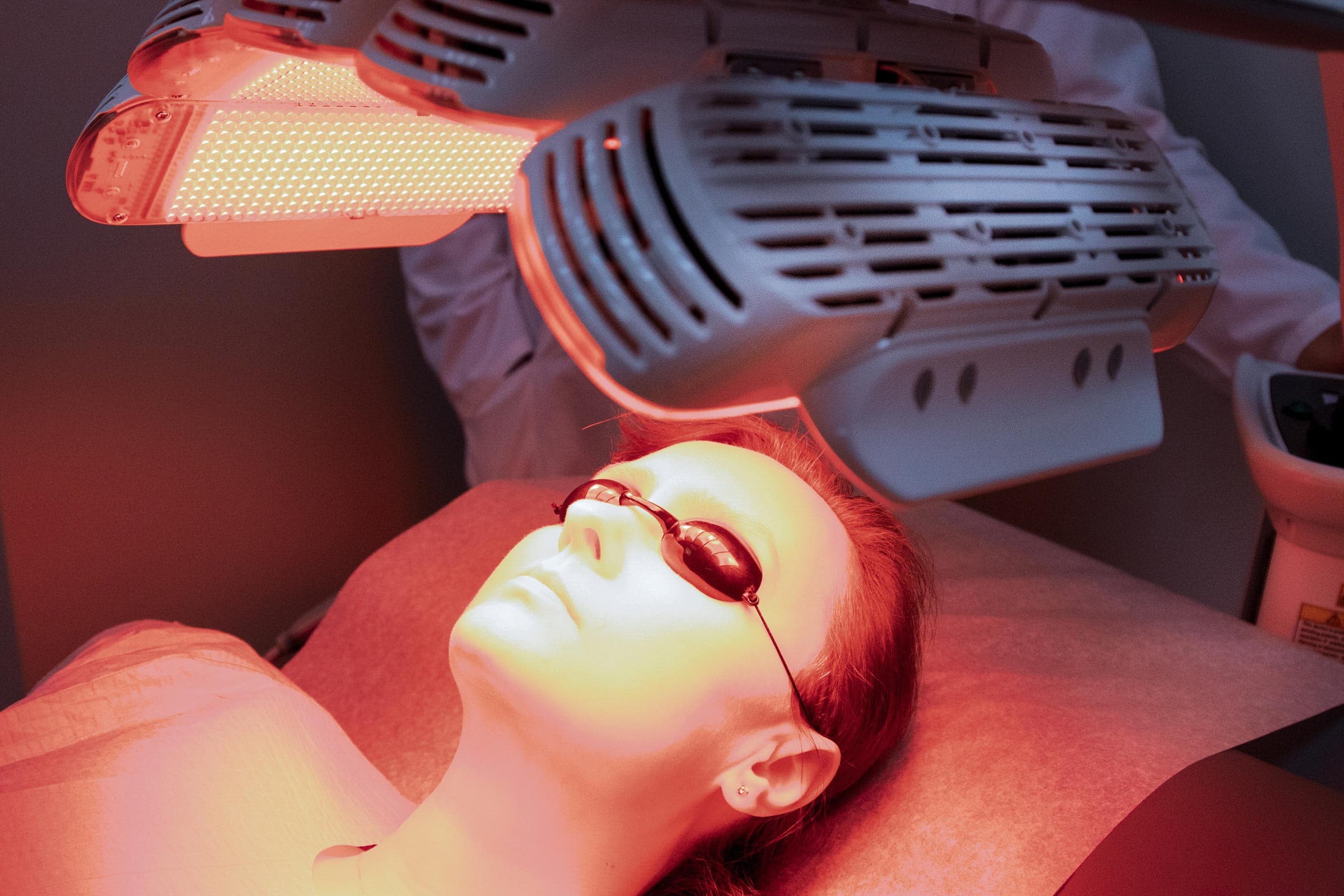
If left untreated, solar lentigines typically persist without significant change. Various cosmetic treatments are available for those who wish to reduce their appearance. Cryotherapy and laser therapy can effectively eliminate the lesions, though these interventions may result in temporary or permanent skin discolouration. Topical cysteamine cream has also been used in treating hyperpigmentation, offering a potential alternative to other methods. However, traditional bleaching agents like hydroquinone have not shown reliable efficacy in treating solar lentigines.
As with many skin conditions induced by UV exposure, prevention remains the most effective approach. Regular and early use of broad-spectrum sunscreens, along with strategies to minimise sun exposure, particularly during peak UV hours, can help reduce the development of solar lentigines over time. Educating individuals about sun protection from a young age plays a crucial role in preventing these and other signs of photoaging.
While solar lentigo is benign and generally does not require medical intervention, it can occasionally mimic more serious conditions. Therefore, proper evaluation by a dermatology professional is essential, particularly when lesions exhibit atypical features.
Your feedback helps us improve our news and clinical insights
From medical dermatology to surgical procedures, our clinic provides comprehensive care for all skin, hair, and nail conditions.