Clinical Hours: Mon-Fri, 8AM - 3PM(905) 493-5700
1885 Glenanna Road, Suite 220, Pickering, ON, L1V 6R6
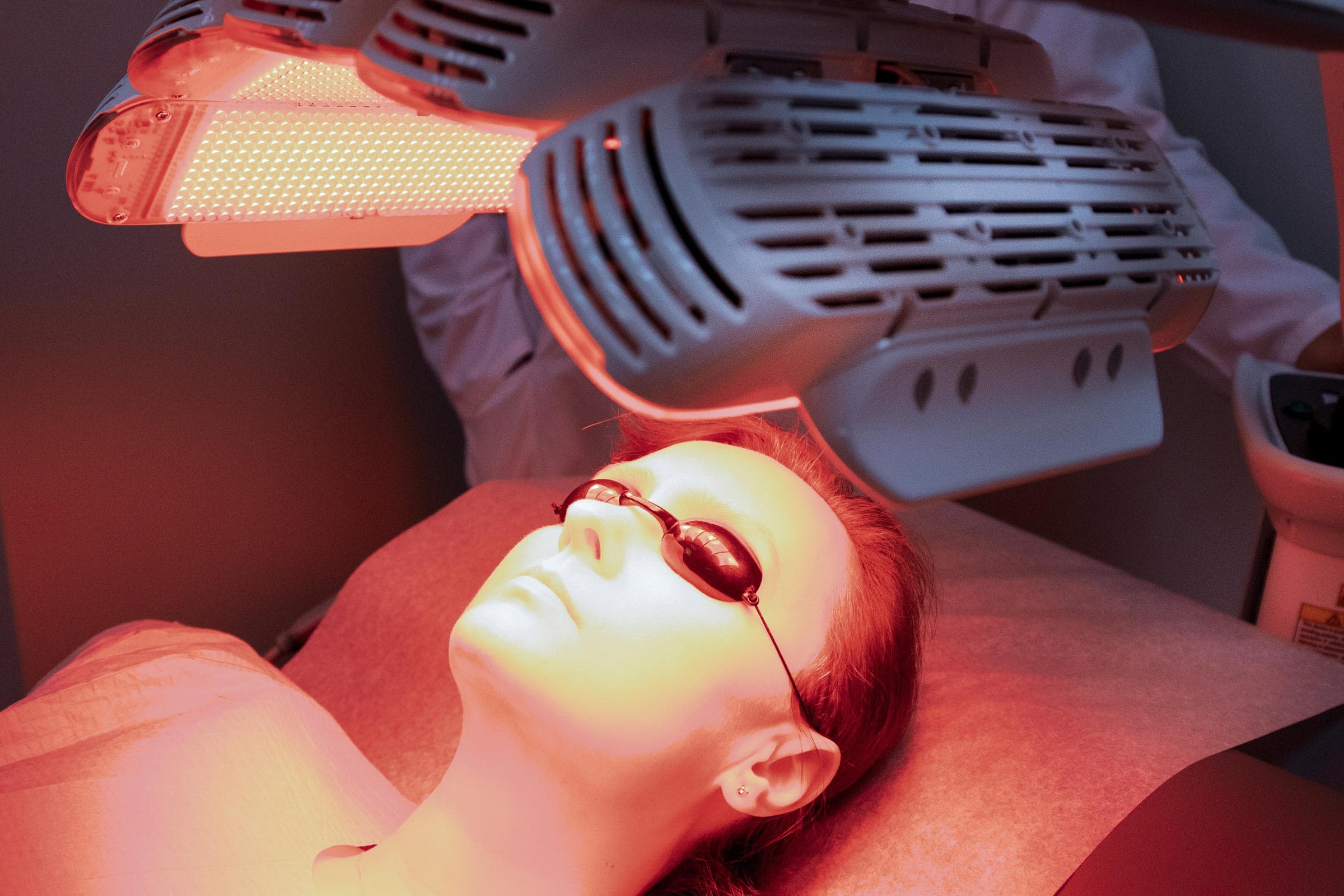
UVB phototherapy uses shortwave ultraviolet radiation to treat skin conditions such as psoriasis, dermatitis, and vitiligo, with sessions typically held three times per week.

UVB phototherapy refers to irradiation that has shortwave ultraviolet radiation. In order to receive full-body treatment, a patient, undressed, must stand in a specially designed cabinet equipped with fluorescent light tubes.
Initially, only broadband UVB was used, but narrowband UVB phototherapy (311 nm) has since become widely available. Doses of UVB are increased with each session. Typically, three sessions are held per week and continue until the skin condition has cleared, a predetermined maximum number of treatments has been reached, or the treatment method has been found to be ineffective.
The effects of UVB are similar to those obtained from regular sun exposure. Excessive exposure contributes to accelerated skin ageing and places individuals at risk of developing cancer.
UVB phototherapy is used to treat various skin conditions, such as psoriasis, dermatitis, and vitiligo.
Psoriasis is a very common disorder that is usually inherited and varies in terms of extent and severity. UVB is typically recommended for patients with extensive psoriasis. However, it may not be a suitable treatment option for individuals with fair skin or for those whose psoriasis worsens upon exposure to sunlight.
Most patients attend three treatment sessions each week. The first few exposures are very brief, lasting only a few seconds. The length of exposure gradually increases according to the patient's response.
Approximately 24 treatment sessions are typically needed for psoriasis to clear or greatly improve. At that stage, treatments are usually stopped and the skin remains clear for several months. Psoriasis may later reoccur, and additional UVB phototherapy sessions may therefore be required.
UVB is also used for treating severe cases of dermatitis, especially eczema. The frequency and dosage of each treatment session are determined according to the patient's response. A course of phototherapy for dermatitis may last longer than 24 sessions.
UVB is considered to be effective for treating vitiligo. Treatments must be conducted with extreme caution because depigmented skin tends to burn very easily. Treatment sessions may continue for several months before improvement becomes visible.
All scheduled appointments should be kept and regularly attended in order to see improvements. All health problems, including eye diseases, should be reported to medical staff prior to starting treatment. All active medications must also be reported, as some may cause skin burning as an adverse effect. No ointments or cosmetics, such as perfumes and coal tar products, should be applied. Natural sun exposure during both treatment and non-treatment days should be avoided. Broad-spectrum sunscreen is recommended to be applied consistently to the face and hands.
Your feedback helps us improve our news and clinical insights
From medical dermatology to surgical procedures, our clinic provides comprehensive care for all skin, hair, and nail conditions.