Clinical Hours: Mon-Fri, 8AM - 3PM(905) 493-5700
1885 Glenanna Road, Suite 220, Pickering, ON, L1V 6R6
An overview of eczema treatment and daily care strategies, covering moisturising routines, trigger avoidance, product selection, and medical treatment options.

November is Eczema Awareness Month, which highlights the importance of understanding how to manage and treat eczema, especially the common form known as atopic dermatitis. This chronic skin condition leaves the skin dry, itchy, and inflamed. While there is no cure for eczema, a well-informed treatment and care routine can bring significant relief and support healthier skin. The following is an overview of treatments and care tips to assist those managing eczema.
Regular moisturising is one of the most essential steps in treating eczema. People with eczema have a weakened skin barrier, which ordinarily traps moisture in the skin. Without it, skin becomes dry, rough, and more prone to irritants. A common misconception is that drinking more water alone will hydrate the skin. However, applying a suitable moisturiser frequently is what helps the skin stay hydrated and prevents dryness.
A gentle bathing and moisturising routine can help protect the skin barrier, minimising irritation.
This routine helps the skin retain moisture, reducing dryness and protecting against environmental irritants.
Choosing eczema-friendly products is important in preventing skin irritation. For both skincare and household products, it is beneficial to select mild, fragrance-free options, as harsh chemicals and strong scents can trigger eczema flare-ups. Mild laundry detergents are also recommended. To simplify product selection, organisations such as the Eczema Society of Canada offer lists of accepted products that are safe for sensitive skin.
Eczema management goes beyond treatment and involves understanding potential triggers that may cause flare-ups. Common eczema triggers include:
While some triggers are avoidable, others, such as sweating, may be challenging to control, and some flares may occur without any apparent cause. Understanding individual triggers, when possible, can reduce flare-ups and minimise the need for intensive treatment.
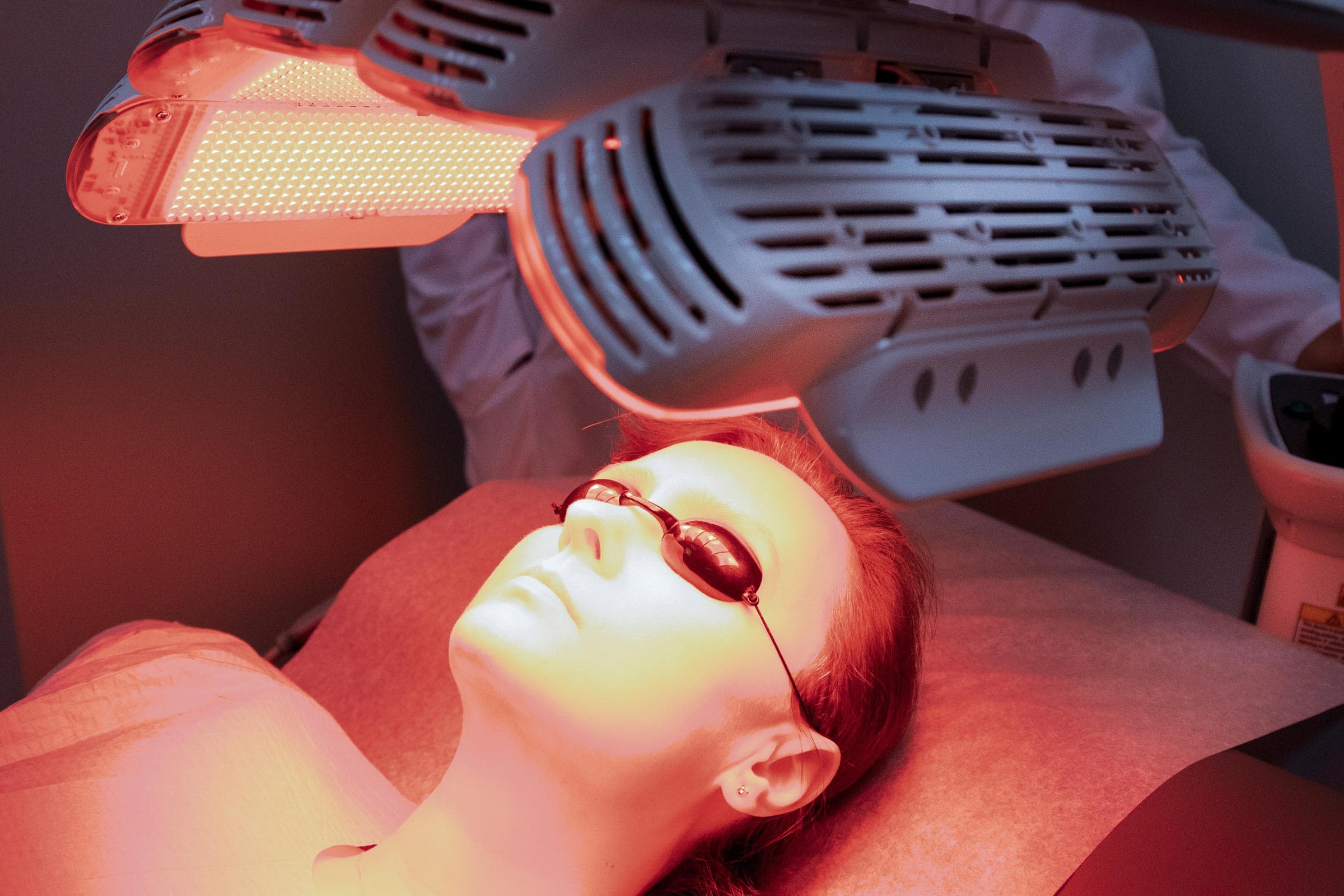
Medical treatments often play a critical role in managing eczema, with physicians prescribing a range of options depending on the patient's needs:
Even when skin is clear, ongoing moisturising is essential for people with eczema. Preventive care is a vital, though often overlooked, aspect of eczema management. Regular moisturising helps maintain the skin's natural barrier, which may reduce the risk of future flare-ups.
Because eczema can vary significantly between individuals, discussing treatment options with a physician can help ensure the most effective approach. Physicians can recommend treatments that address specific symptoms and support long-term skin health.
Managing eczema requires a combination of regular moisturising, avoiding known triggers, and following prescribed medical treatments. Consistent care and an understanding of personal triggers and treatment options can assist individuals with eczema in maintaining healthier, more comfortable skin.
Your feedback helps us improve our news and clinical insights
From medical dermatology to surgical procedures, our clinic provides comprehensive care for all skin, hair, and nail conditions.