Clinical Hours: Mon-Fri, 8AM - 3PM(905) 493-5700
1885 Glenanna Road, Suite 220, Pickering, ON, L1V 6R6
Intense pulsed light (IPL) therapy is a non-invasive treatment using high-intensity light pulses to address vascular lesions, pigmentation, acne, and signs of skin ageing.

Intense pulsed light (IPL), also known as Broadband Light (BBL) therapy, is a non-invasive and non-ablative treatment method that involves using high-intensity pulses of visible light to improve the appearance of various skin conditions, such as vascular lesions (port wine veins, rosacea, and broken facial veins), age marks, freckles, facial lines, and wrinkles. Photorejuvenation, a special procedure that rejuvenates aged skin, requires a few IPL treatments. Additionally, multiple IPL treatment sessions can effectively reduce mild to moderate acne and stretch marks.
In IPL systems, light energy is converted into heat energy, which causes damage in the targeted areas. IPL systems differ from lasers in that they deliver multiple wavelengths per pulse rather than one. Many IPL systems use filters to refine the outputted energy for the treatment of affected areas. Those filters enhance penetration without applying excessive energy levels and allow the targeting of specific chromophores.
IPL therapy is classified as a non-ablative resurfacing technique, meaning that it targets only the lower layers of the skin (dermis). It is considered more advantageous than ablative therapy, which targets both the lower and upper skin layers, due to its shorter downtime period. Recovery time is quite brief and patients are able to return to daily activities immediately following treatment.
IPL targets different vascular lesions including port wine veins, rosacea, and broken facial veins. The light pulses target the red pigment (haemoglobin) in the blood, which heats and destroys the pigment without affecting the surrounding skin or other tissues.
IPL also targets pigmented lesions such as freckles, age spots, flat pigmented birthmarks, and other skin discolourations such as melasma. Light pulses are directed at the melanin found at the skin's surface; the melanin is destroyed and, as a result, discolouration is removed.
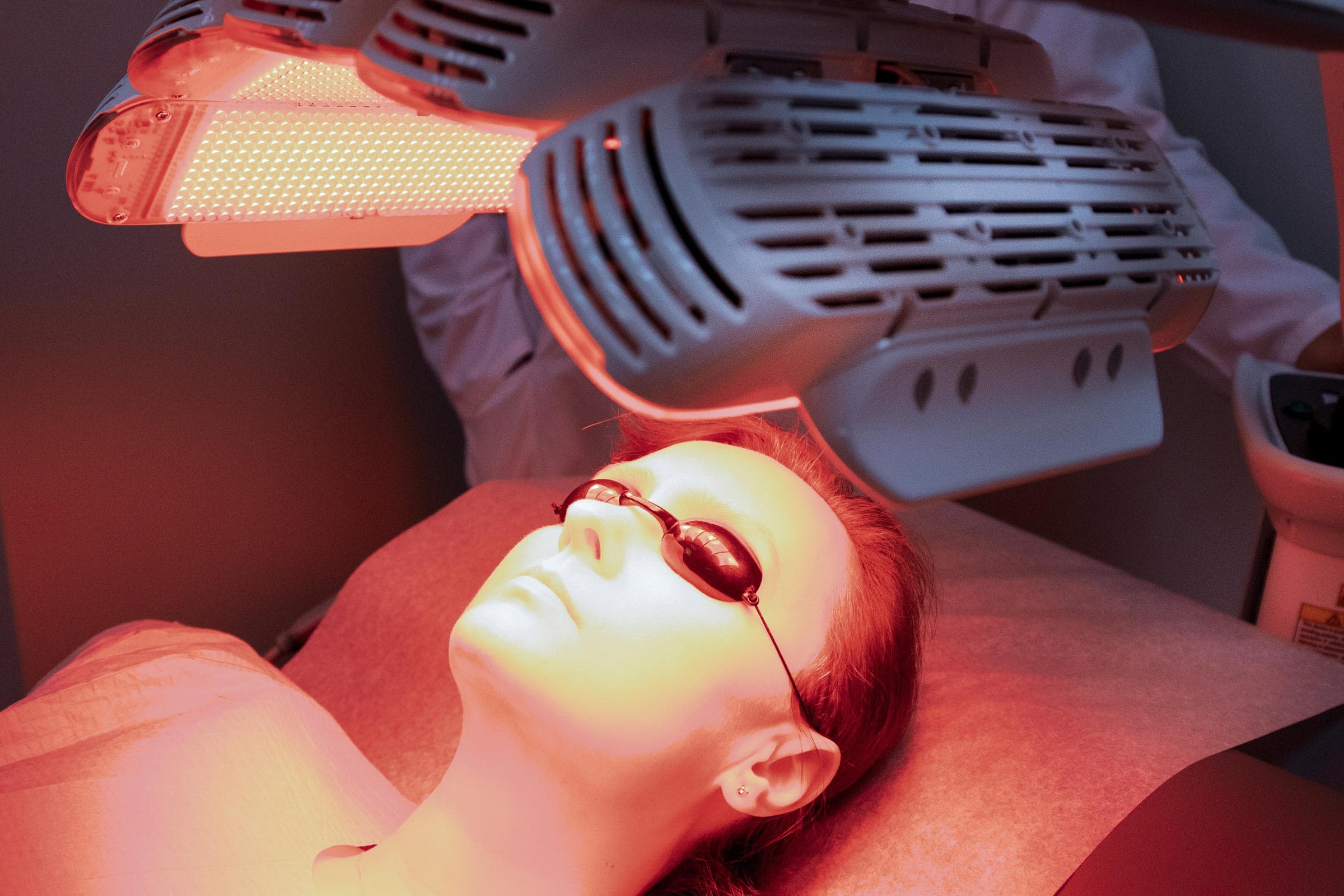
Patients receiving IPL treatments are strongly advised to avoid sun exposure for a few weeks before and after the procedure. Before treatment begins, a cold gel is applied to the areas designated for treatment. The smooth, glass surface of the IPL device is then placed onto the skin, delivering pulses of light into the targeted area.
Treatment sessions typically last approximately 20 minutes. A course of 4 to 6 treatment sessions, spaced every 3 to 6 weeks, is generally required to achieve desired results. Throughout the procedure, protective eyewear provided by the dermatology office must be worn. The overall procedure is considered to be relatively painless in comparison with other facial rejuvenation techniques.
Side effects are usually minor. The skin may appear pink and feel slightly sore immediately following the procedure. A mild sunburn sensation, including peeling and redness, may persist for a few days after treatment. Facial hair loss may also occur.
IPL can be combined with other treatment modalities, including both ablative and non-ablative resurfacing procedures.
Your feedback helps us improve our news and clinical insights
From medical dermatology to surgical procedures, our clinic provides comprehensive care for all skin, hair, and nail conditions.