Clinical Hours: Mon-Fri, 8AM - 3PM(905) 493-5700
1885 Glenanna Road, Suite 220, Pickering, ON, L1V 6R6
Actinic keratosis is a scaly pre-cancerous spot on sun-exposed skin, considered an early form of cutaneous squamous cell carcinoma, with treatment and prevention options available.

Actinic keratosis, also referred to as solar keratosis, is a scaly pre-cancerous spot observed on sun-exposed skin. It is often considered an early form of cutaneous squamous cell carcinoma, a type of skin cancer originating from keratinocytes. Actinic keratoses predominantly affect individuals who have spent considerable time in tropical or subtropical regions and possess predisposing factors, such as fair skin prone to sunburn, a history of prolonged outdoor exposure for work or leisure, signs of photoaging skin, or a compromised immune system.
The primary cause of actinic keratoses is abnormal skin cell development stemming from DNA damage induced by short-wavelength UVB. Factors such as age, recent sun exposure, underlying medical conditions, or certain medications can weaken the immune function, making individuals more susceptible to the development of actinic keratoses.
These keratoses typically manifest on sun-exposed areas, particularly the backs of the hands and the face, affecting regions such as the ears, nose, cheeks, upper lip, forehead, and balding scalp. In severely sun-damaged individuals, they may also appear on the trunk, upper and lower limbs, and dorsum of the feet.
Actinic keratoses raise concerns due to their association with an increased risk of cutaneous squamous cell carcinoma. Although a solitary actinic keratosis rarely progresses to squamous cell carcinoma, the risk of this progression in individuals with more than ten actinic keratoses is estimated at approximately 10 to 15%. A tender, thickened, ulcerated, or enlarging actinic keratosis raises suspicion of evolving into squamous cell carcinoma.
The diagnosis of actinic keratosis is typically clinical or through dermoscopy, with occasional biopsies for further evaluation or if treatment proves ineffective.
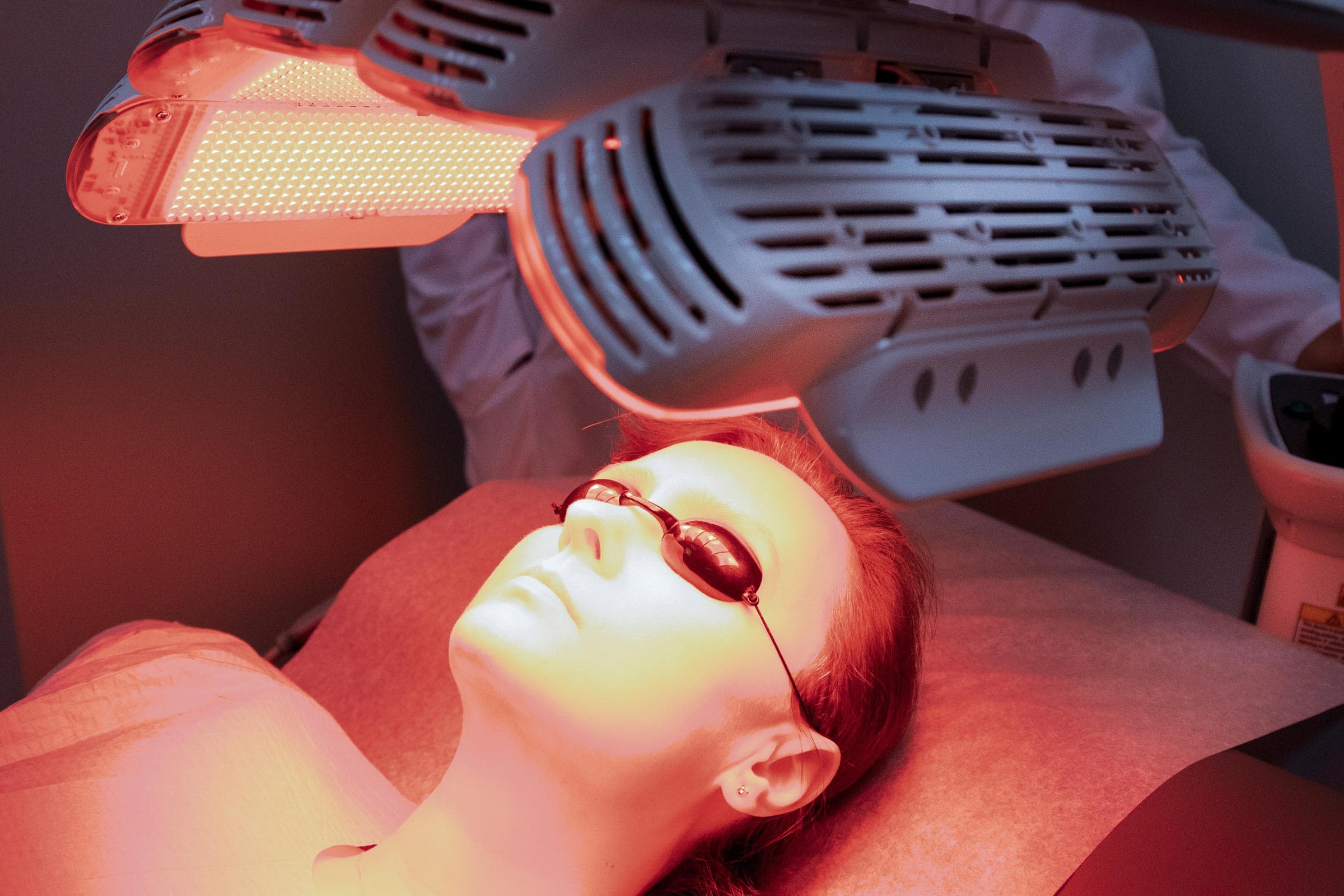
Actinic keratoses are often removed due to their unattractive or uncomfortable nature and the potential risk of skin cancer development. Treatment focuses on eliminating the defective skin cells, and several physical and field treatments are utilised depending on the characteristics of the lesions.
Prevention of actinic keratoses involves strict sun protection, and individuals with actinic keratoses can benefit from very high sun protection factor sunscreen and nicotinamide (vitamin B3) supplementation.
The prognosis for actinic keratoses involves the possibility of recurrence even after treatment, necessitating potential re-treatment or the use of different methods. Individuals treated for actinic keratoses also face an increased risk of developing new keratoses and other skin cancers, including basal cell carcinoma, melanoma, and squamous cell carcinoma.
Your feedback helps us improve our news and clinical insights
From medical dermatology to surgical procedures, our clinic provides comprehensive care for all skin, hair, and nail conditions.