Clinical Hours: Mon-Fri, 8AM - 3PM(905) 493-5700
1885 Glenanna Road, Suite 220, Pickering, ON, L1V 6R6
Loss of skin pigmentation managed with phototherapy and topical immunomodulators.

Vitiligo is an acquired depigmenting skin disorder characterised by the loss of melanocytes, the pigment-producing cells responsible for skin, hair, and eye colour. Clinically, it presents as well-demarcated milky-white patches on the skin resulting from the absence of melanin.
Vitiligo affects approximately 0.5 to 1% of the global population. About half of affected individuals develop pigment loss before the age of 20, and most cases begin before age 30. A family history is present in approximately 20% of patients, suggesting a genetic predisposition. Males and females are affected equally.
Although vitiligo itself is not typically associated with serious physical illness, individuals with this condition have a higher prevalence of autoimmune conditions, including thyroid disease, type 1 diabetes, Addison disease, pernicious anaemia, rheumatoid arthritis, alopecia areata, and psoriasis. For this reason, screening for associated autoimmune disorders may be recommended in selected cases.
Vitiligo is widely considered a systemic autoimmune condition involving dysregulation of the innate and adaptive immune response, leading to melanocyte destruction. Genetic susceptibility also plays a significant role. Environmental triggers such as skin injury (Koebner phenomenon), sunburn, emotional stress, or inflammation may precipitate or worsen the condition.
Depigmented patches may appear anywhere on the body. Common sites include the face, eyelids, neck, fingertips, toes, lips, nipples, navel, body folds such as the axillae, and areas exposed to friction or trauma. Hair within affected areas, including scalp hair, eyelashes, and eyebrows, may also lose pigment. The extent and rate of progression are unpredictable, and patches may spread over months and then stabilise, with cycles of activity and remission occurring intermittently over time.
This condition is more noticeable in individuals with darker skin tones due to contrast. In lighter skin types, pigment loss often becomes more apparent during summer months when surrounding skin tans.
Diagnosis is primarily clinical. In 2007, the European Taskforce classified vitiligo into four categories. Non-segmental vitiligo is the most common and presents with bilateral, symmetrical depigmented patches that may be stable or progressive. Segmental vitiligo typically appears as a unilateral patch with irregular borders, often affecting younger individuals, and tends to stabilise within six months. Mixed vitiligo includes features of both segmental and non-segmental types. Unclassified vitiligo usually represents early or indeterminate presentations.
In certain cases, blood tests may be ordered to evaluate thyroid function, vitamin B12 levels, or autoimmune markers to assess for associated conditions.
Treatment remains challenging, and complete repigmentation cannot always be achieved. However, meaningful improvement is possible in many patients. Areas such as the face and trunk tend to respond better to therapy than the hands, feet, or regions with white hair. Early intervention generally yields better outcomes.
Topical therapies, including corticosteroids and calcineurin inhibitors, may be prescribed to reduce inflammation and promote repigmentation, particularly for facial involvement.
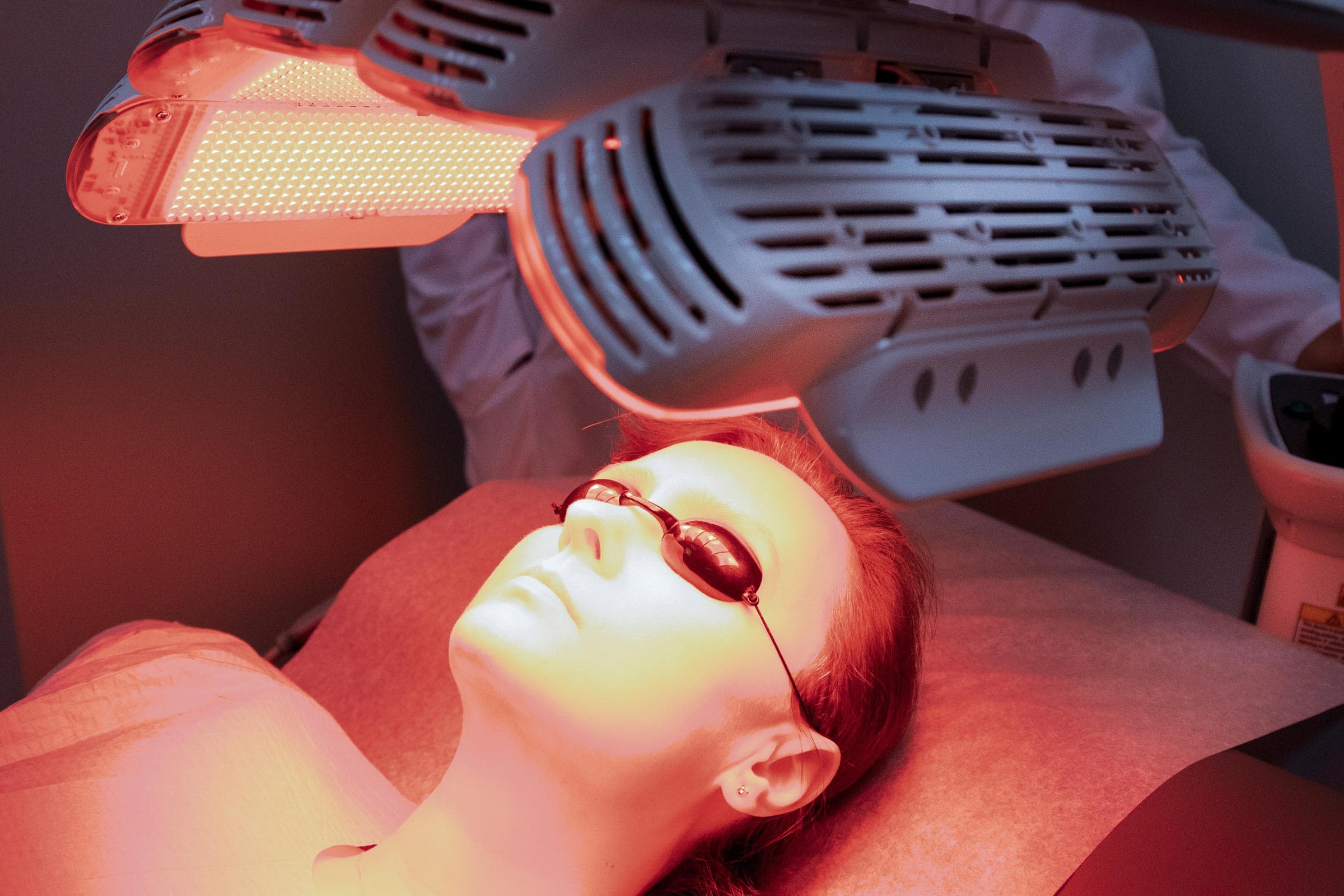
Phototherapy, particularly narrowband UVB, is a well-established treatment option that helps reduce immune-mediated melanocyte destruction and stimulate repigmentation.
Medical assessment is recommended when new depigmented patches are noticed, when existing patches are spreading, or when there is a personal or family history of autoimmune disease. A dermatologist can confirm the diagnosis, classify the subtype, and develop an individualised management plan. At the Centre for Medical and Surgical Dermatology, care plans are tailored based on disease subtype, extent of involvement, rate of progression, skin type, and patient-specific factors.
Your feedback helps us improve our condition information
Keep Exploring
Evidence-based articles on related skin, hair, and nail conditions.
A physician referral is required to access our medical services. Contact your primary care provider to begin the referral process.