Clinical Hours: Mon-Fri, 8AM - 3PM(905) 493-5700
1885 Glenanna Road, Suite 220, Pickering, ON, L1V 6R6
Surgical and procedural techniques for improving the appearance and function of scars, including keloid and hypertrophic scar management and scar repositioning.

Scars are a natural result of the skin's healing process following injury, surgery, or inflammation. While all wounds produce some degree of scarring, the appearance and characteristics of a scar can vary significantly depending on the nature of the injury, anatomical location, and individual healing response. Scar revision encompasses a range of surgical and non-surgical techniques designed to improve the appearance, texture, and function of problematic scars.
Understanding the type of scar is essential for selecting the most appropriate treatment approach. Scars are broadly classified into several categories based on their clinical and histological characteristics.
A thorough assessment of the scar is performed before any treatment is initiated. Factors considered during evaluation include the scar type, size, depth, location, age of the scar, skin type, and any functional impairment such as restriction of movement. The patient's treatment goals and expectations are also discussed, as scar revision aims to improve the appearance of a scar rather than eliminate it entirely.
A customized treatment plan is developed based on the assessment findings. In some cases, a combination of surgical and non-surgical approaches is recommended to achieve the best possible outcome. Treatment timing is also important, as scars typically continue to mature and evolve for 12 to 18 months following the initial injury.
Surgical scar revision involves the excision of the existing scar and re-closure of the wound using meticulous surgical technique. The goal is to create a thinner, less conspicuous scar that blends more naturally with the surrounding skin. Several techniques may be employed depending on the scar characteristics.
Simple excision and re-closure is the most straightforward approach, in which the scar is removed and the wound edges are carefully approximated with layered sutures. This technique is effective for wide, flat scars that resulted from poor wound healing or excessive tension.
Z-plasty is a technique that reorients the direction of a scar by creating small triangular flaps on either side. This is particularly useful for scars that cross natural skin creases or cause contracture, as the change in scar orientation can improve both appearance and function. W-plasty uses a similar principle, breaking a linear scar into multiple small, irregular segments that are less visually conspicuous.
Tissue rearrangement techniques, including local flaps and geometric broken line closure, may be utilized for larger or more complex scars. These advanced methods redistribute tension across the wound and align the scar with the natural lines of skin tension, resulting in a less noticeable final appearance.
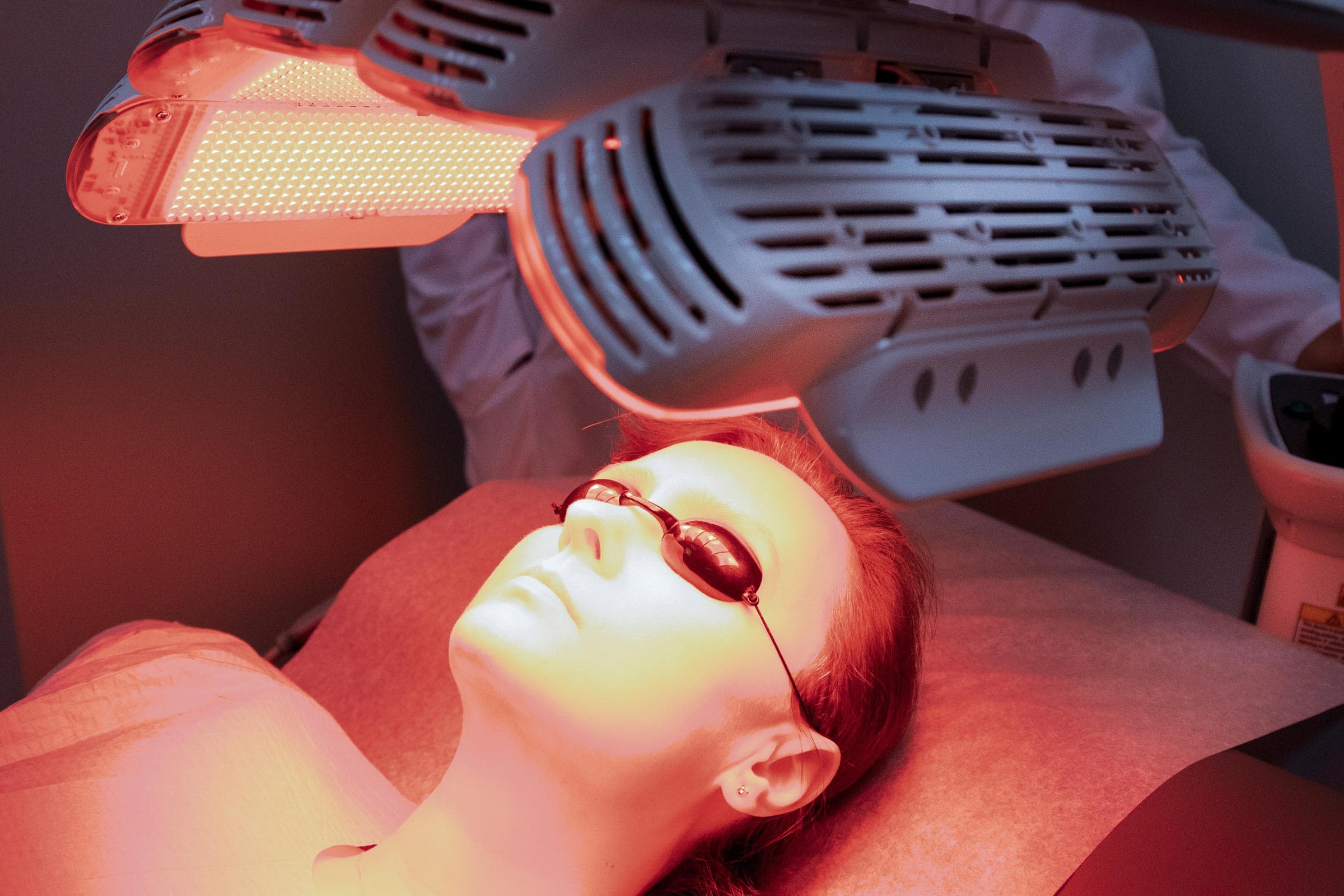
A number of non-surgical treatments are available for scar improvement, either as standalone therapies or in combination with surgical revision.
Keloid and hypertrophic scars present unique management challenges due to the tendency of these scars to recur following treatment. A multimodal approach is often employed, combining surgical excision with adjunctive therapies to reduce the risk of recurrence. Intralesional corticosteroid injections administered at the time of excision and during the postoperative period are a cornerstone of keloid management.
Additional adjunctive measures include silicone sheeting, pressure garments, and, in selected cases, superficial radiation therapy. The choice of treatment is individualized based on the size and location of the scar, previous treatment history, and the patient's skin type and healing tendencies. Long-term follow-up is essential, as keloids may recur months to years after treatment.
Post-procedure care following scar revision is critical to achieving the best possible outcome. The treated area should be kept clean and protected, with regular application of petroleum jelly or prescribed ointment. Sutures are removed according to the recommended schedule based on the body site. Patients are advised to minimize tension on the healing wound by avoiding strenuous activity during the early recovery period.
Sun protection is particularly important during the scar maturation period, as ultraviolet exposure can cause the new scar to darken permanently. Silicone-based scar treatments may be initiated once the wound has fully closed. It is important to understand that scar maturation is a gradual process, and the final appearance of the revised scar may not be apparent for 12 to 18 months. Realistic expectations are discussed thoroughly prior to treatment.
Dr. Maksym Breslavets at the Centre for Medical and Surgical Dermatology offers comprehensive scar assessment and revision using both surgical and non-surgical techniques. Each treatment plan is individually tailored, with the goal of achieving meaningful improvement in scar appearance while setting realistic expectations for the outcome.
Your feedback helps us improve our service information
The Centre for Medical and Surgical Dermatology provides comprehensive care across all areas of dermatology. To schedule a consultation with Dr. Breslavets, please obtain a referral from your healthcare provider.