Clinical Hours: Mon-Fri, 8AM - 3PM(905) 493-5700
1885 Glenanna Road, Suite 220, Pickering, ON, L1V 6R6
Visible dilated blood vessels on the skin surface treated with laser therapy, IPL, or electrosurgery.

Telangiectasia refers to the permanent dilation of small blood vessels (arterioles, capillaries, or venules) near the surface of the skin or mucous membranes, resulting in fine, visible red, blue, or purple lines. These dilated vessels are typically 0.5 to 1 mm in diameter and may appear as linear, branching, or spider-like patterns on the skin.
Telangiectasias are extremely common and may occur at any age, though they become more prevalent with advancing age. They can appear anywhere on the body but are most frequently observed on the face (particularly the nose, cheeks, and chin), legs, and upper chest. While telangiectasias are generally a cosmetic concern, they may also occur in association with certain underlying conditions.
Telangiectasias result from the weakening or damage of small blood vessel walls, causing them to dilate permanently. The causes can be broadly categorised as primary (idiopathic or hereditary) and secondary (acquired).
Common causes and contributing factors include:
Telangiectasias typically present as:
Telangiectasias are typically painless and cause no physical symptoms. The primary concern for most patients is cosmetic. However, in the context of hereditary haemorrhagic telangiectasia, mucosal telangiectasias may bleed, causing recurrent epistaxis (nosebleeds) or gastrointestinal haemorrhage.
Telangiectasias are diagnosed through clinical examination. Dermoscopy may be used to visualise the vascular patterns in greater detail and to distinguish telangiectasias from other vascular lesions. When telangiectasias are widespread, appear at an unusually young age, or are accompanied by recurrent bleeding or other systemic symptoms, further investigation may be warranted to evaluate for underlying conditions such as hereditary haemorrhagic telangiectasia, connective tissue disease, or liver disease.
Telangiectasias do not require treatment from a medical standpoint, as they are benign. However, treatment is commonly sought for cosmetic improvement. Several effective modalities are available.
Laser therapy: Vascular lasers, such as pulsed dye laser (PDL) and Nd:YAG laser, are considered the gold standard for treating facial telangiectasias. The laser energy is selectively absorbed by haemoglobin in the blood vessels, causing thermal destruction of the vessel while sparing surrounding tissue.
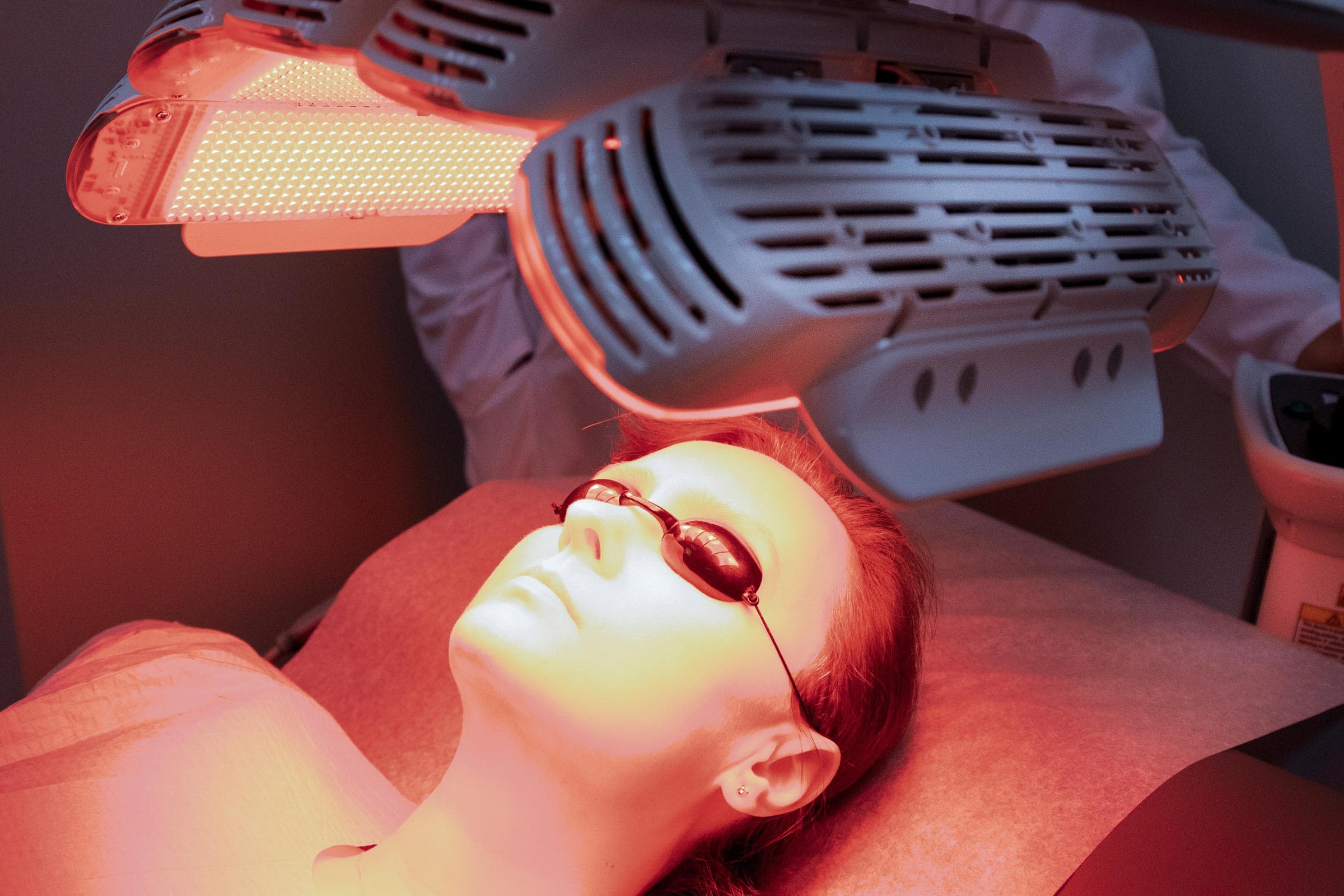
Intense pulsed light (IPL): IPL therapy uses broad-spectrum light to target and reduce visible blood vessels. It is effective for diffuse facial redness and telangiectasias associated with rosacea.
Electrosurgery: Fine-needle electrodesiccation can be used to coagulate individual telangiectatic vessels, particularly for small, isolated lesions.
Sclerotherapy: For leg telangiectasias (spider veins), injection of a sclerosing agent into the affected vessel causes it to collapse and gradually fade over time.
Multiple treatment sessions may be required for optimal results, and recurrence of telangiectasias is possible over time, particularly if underlying contributing factors persist.
Dermatological assessment is recommended when telangiectasias are widespread, appear suddenly, or are associated with recurrent nosebleeds, gastrointestinal bleeding, or other systemic symptoms, as these findings may indicate an underlying condition requiring further evaluation. Cosmetic treatment of telangiectasias should be performed by a qualified dermatologist to ensure appropriate selection of the treatment modality and to minimise the risk of complications.
Your feedback helps us improve our condition information
Keep Exploring
Evidence-based articles on related skin, hair, and nail conditions.
A physician referral is required to access our medical services. Contact your primary care provider to begin the referral process.